


Online fashion giant Shein's shares closed nearly flat in their Hong Kong trading debut on Tuesday, rebounding from an earlier slide of as much as 10%, capping years of failed attempts to list in New York and London, Reuters reported.
The stock ended the session at HK$48.5 per share, close to the initial offer price of HK$48.56, after falling sharply in early trading. The IPO valued Shein at around $26.5 billion, a steep drop from its 2022 peak valuation of nearly $100 billion, according to Reuters.
A humbled debut
Known globally for selling ultra-cheap clothing, Shein has been squeezed by tariff and duty changes in the United States and Europe that have undermined the foundations of its direct-shipping model, Reuters reported. The company's net income fell 39% last year and it swung to a loss in the first quarter, with Shein warning that first-half operating margins would come in slightly below the first quarter, hurt by higher customs duties, tariffs, fees and logistics costs in Europe and the Middle East.
Fuller-year figures reported by WWD show revenue grew just 8% in 2025 to $41.8 billion, sharply down from 21% growth in 2024 and 41.1% in 2023. In the first quarter of 2026, revenue rose only 1.1% to $9.05 billion, while the company posted a net loss of $99 million, reversing a $395 million profit a year earlier. Full-year net profit fell 38.7% to around $2.06 billion, according to WWD.
CNBC reported that Shein sold about 280 million shares in the offering, raising roughly $1.74 billion after the final price was set below the top of its offered range. The company plans to use 40% of the proceeds to enhance its technology capabilities and another 40% to boost brand awareness and global expansion, with the remainder going toward corporate responsibility initiatives and general corporate purposes.
A valuation among fast fashion's middle tier
Shein's roughly $27 billion valuation puts it broadly in line with H&M, but far behind Zara owner Inditex and Uniqlo owner Fast Retailing, Reuters reported. The retailer's market capitalisation of HK$205.94 billion ($26.3 billion) placed it 89th among China's biggest listed companies by the close of trading, having briefly climbed higher during an afternoon rally.
Demand for the offering was comparatively tepid next to recent high-profile listings from the AI and robotics sectors, Reuters reported. The retail tranche of the offering was subscribed 5.63 times and the international portion 2.59 times, modest by the standards of some Hong Kong debuts that have drawn subscription levels hundreds of times oversubscribed.
Existing investors who took part in the IPO included billionaire Michael Bloomberg's family office Willett Advisors, French investor Xavier Niel, and Microsoft, according to a filing cited by Reuters. Indian billionaire Mukesh Ambani's Reliance and the SoftBank Vision Fund also increased their stakes. Shares sold in the IPO represented about 6.6% of Shein's enlarged share capital, with cornerstone investors taking roughly a fifth of the offering under a six-month lock-up.
Founder's rare appearance
Shein's publicity-shy founder and chief executive, Sky Xu, made a rare public appearance at the listing ceremony, though he did not speak, Reuters reported. The 43-year-old, who founded the company in Nanjing in 2012, is known for avoiding interviews and public events, and Shein's corporate website carries no photographs of him or his three co-founders. According to the company's prospectus, Xu holds a bachelor's degree in international trade from Qingdao University of Technology, obtained in 2007.
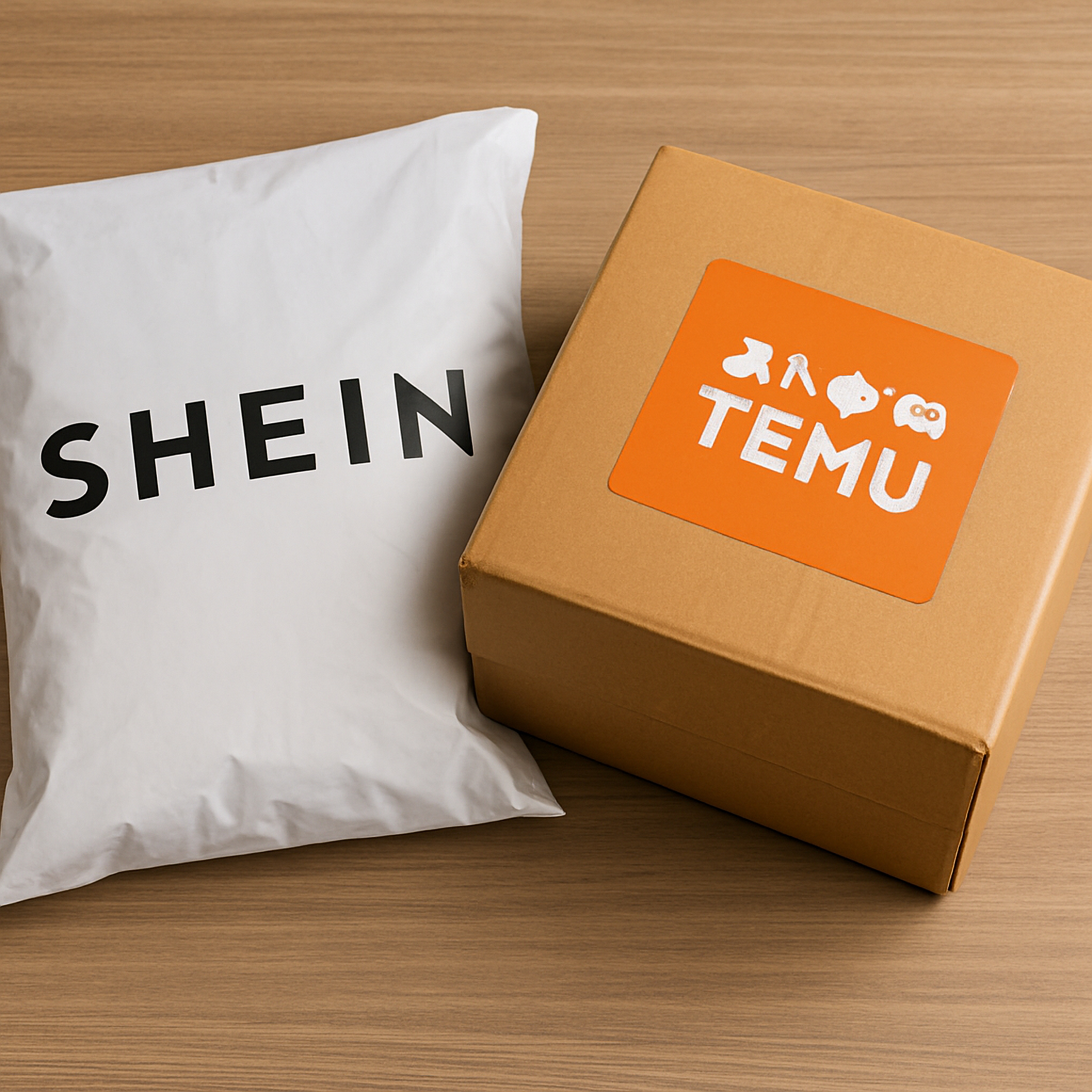
Analysts said the muted debut reflected lingering doubts over Shein's valuation rather than renewed confidence in its growth prospects. Charu Chanana, chief investment strategist at Saxo in Singapore, said investors still do not see Shein as clearly cheap even after the steep valuation reset, noting the company priced at roughly 15 times forward earnings, more than double the multiple of PDD, the owner of rival Temu, despite weaker growth visibility and greater regulatory risk.
Source: Reuters, CNBC, WWD