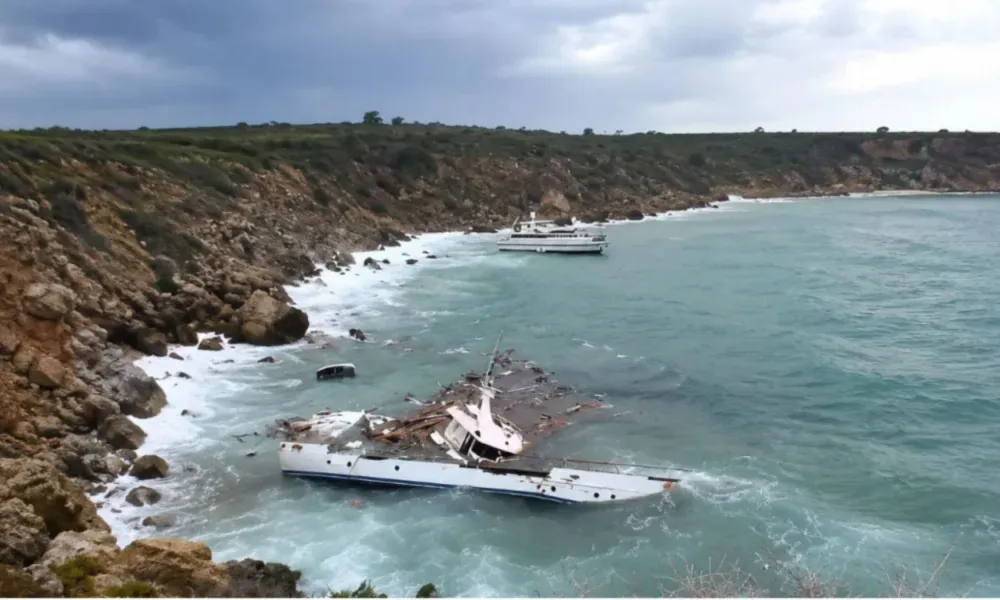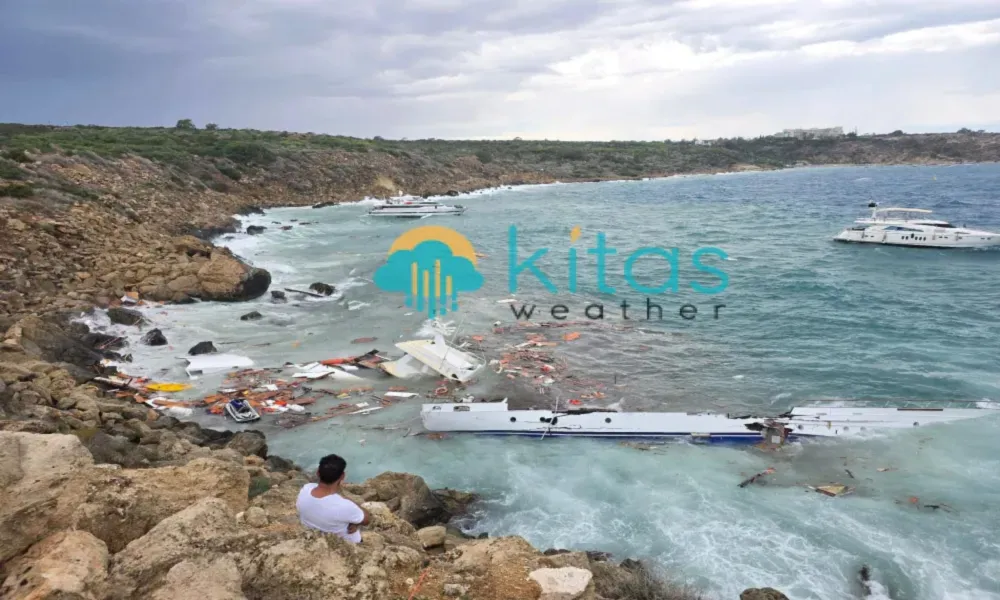

The tragedy off Cape Greco cannot be closed with a general reference to bad weather and difficult sea conditions. Instead, it raises a serious question for the state: who is responsible for deciding, in time, that conditions are dangerous and that the departure of small vessels should be restricted or even prohibited?
For an island state such as Cyprus, where the sea is central to transport, tourism, leisure and economic activity, general warnings about storms and strong winds are not enough. The state must have an automatic and binding mechanism that translates a severe weather warning into specific navigational measures.
The critical problem is that responsibility appears to be dispersed. The Meteorological Service issues warnings, relevant authorities provide information, vessel owners and operators are left to assess conditions, and when something goes wrong, everyone later searches for who should have acted and when.
That is not a system of prevention.
Cyprus needs a clear "maritime severe weather protocol" with predefined thresholds for wind speeds, wave heights, visibility and storm intensity. Once those thresholds are exceeded, restrictions or sailing bans for speedboats, small private vessels, leisure craft and rental boats should be triggered automatically.
Those decisions should be binding.
Not recommendations that can simply be ignored.
Marinas, fishing shelters and boat rental companies should be required to enforce such restrictions, record departures and immediately inform users of any prohibitions. At the same time, strict penalties should apply when a business or vessel operator disregards an official sailing ban.
The state must also decide which authority has the final say.
In times of danger, responsibility cannot be lost between different departments, announcements and weather bulletins.
The sea is not a space without rules.
And safety cannot depend solely on the personal judgement of an individual vessel operator.
When the state knows that danger is approaching, it has a duty not only to warn but also to intervene.
Otherwise, prevention remains nothing more than a word used after an accident has already happened.