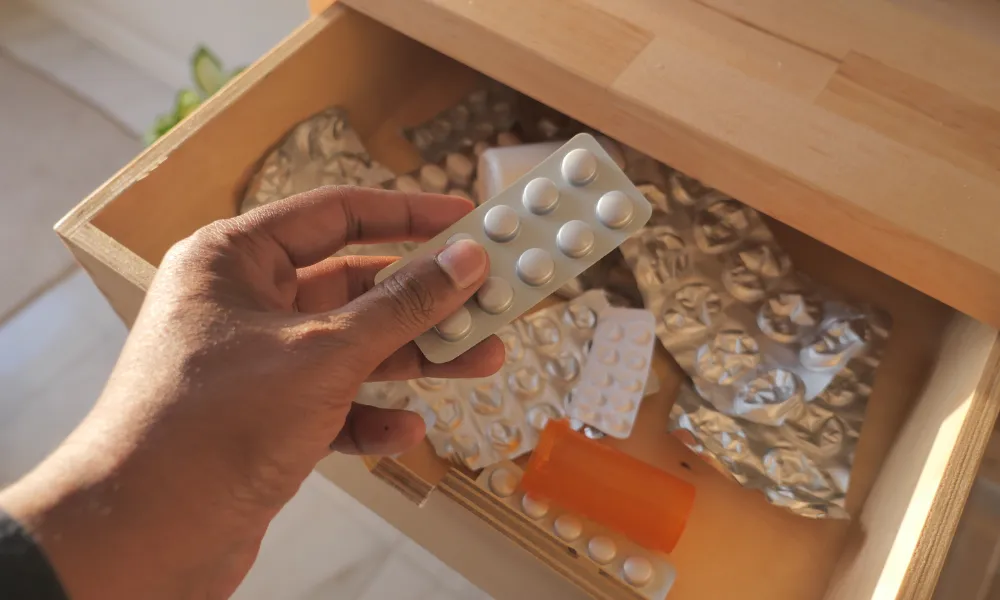

Heatwaves do not only pose risks to people. They can also damage medicines, reducing their effectiveness and, in some cases, making them unsafe to use.
Many commonly used treatments are intended to be stored at temperatures below 25°C, while others must remain refrigerated. During prolonged periods of hot weather, keeping medicines within those limits can become difficult, particularly in homes that retain heat.
Why temperature matters
Medicines are manufactured to remain stable within specific temperature ranges. Once those limits are exceeded, their ingredients may begin to change.
Some tablets can soften, crumble or become discoloured. Capsules may melt, liquids can evaporate or form crystals, and creams may separate. These changes can affect how much of the active ingredient reaches the body.
The risk increases when medicines remain exposed to heat for several days rather than for a brief period.
Storage instructions are normally printed on the packaging. Many medicines should be kept between 15°C and 25°C, while refrigerated products usually require temperatures between 2°C and 8°C.
Insulin and weight-loss injections need particular care
Protein-based medicines are especially vulnerable to heat.
Insulin can lose potency when exposed to high temperatures because heat alters the structure of the protein. Unopened insulin is generally kept in a refrigerator, while pens or vials already in use may be stored at room temperature only for a limited period.
Similar precautions apply to GLP-1 medicines, including Wegovy and Mounjaro, which are prescribed for type 2 diabetes and weight management. These treatments are usually stored in the fridge before use and must remain below the temperature limit specified by the manufacturer once opened.
Unexplained rises in blood sugar may be a warning that insulin or another injectable medicine has been affected.
Inhalers may deliver less medicine
High temperatures can also interfere with inhalers.
The pressurised gases inside them may expand in the heat, changing the amount of medicine released. Severe exposure may also damage the container.
Research involving salbutamol inhalers exposed to summer conditions of around 40°C found that some devices released up to 12% less medicine. The aerosol particles were also larger, meaning less of the treatment was likely to reach the lungs.
People who notice that an inhaler feels unusually warm or appears to provide less relief should seek advice from a pharmacist.
Heat can affect glucose-testing equipment
The problem is not limited to medicines.
Blood glucose meters and test strips can also become unreliable when exposed to high temperatures and humidity. In one study, brief exposure to 42°C and high humidity caused readings to appear up to 30% higher than the actual level.
Incorrect readings may lead users to take unnecessary or excessive medication, making safe storage of testing equipment equally important.
Cars, bathrooms and windowsills should be avoided
Medicines are often damaged in ordinary places around the home.
A parked car can quickly reach temperatures above 40°C, making it one of the most dangerous storage locations. Medicines should never be left in a vehicle, even for a short period.
Windowsills are also unsuitable because direct sunlight can heat packaging well above the temperature of the surrounding room.
Bathrooms and kitchens may seem convenient, but both are exposed to frequent changes in heat and humidity. Steam from showers and cooking can affect medicines and medical devices over time.
The safest place to keep medicines
Medicines should be stored in a cool, dry part of the home, away from direct sunlight, ovens, radiators and other sources of heat.
A room thermometer can help identify the coolest location. Curtains and blinds should remain closed during the hottest part of the day, while windows can be opened when outdoor temperatures fall.
Fans may help circulate air, although they do not lower the temperature of the room itself. In homes that become excessively hot, air conditioning may be necessary for particularly sensitive treatments.
Medicines should not be placed in the refrigerator unless the packaging specifically says they require refrigeration.
Travelling with medication
Extra precautions are needed when carrying medicines during hot weather.
Insulated medicine pouches or cool bags can help maintain a safer temperature. However, medicines should not touch frozen packs directly, as exposure to freezing temperatures can also cause damage.
They should be kept out of direct sunlight and should not remain inside luggage stored in a hot car.
Anyone travelling by plane should check how their medicine should be transported and whether refrigeration will be available at their destination.
When to ask a pharmacist
Changes in colour, texture, smell or appearance may indicate that a medicine has deteriorated.
Tablets that have become soft or crumbly, cloudy liquids, separated creams and capsules that appear misshapen should not be used without professional advice.
A pharmacist can confirm whether a medicine remains safe after heat exposure and advise whether it needs to be replaced.
As periods of extreme heat become more common, following storage instructions is essential. Keeping medicines away from cars, sunlight, humidity and prolonged indoor heat helps ensure they remain safe and effective.
Source: The Independent