
Seventy years after the Hungarian Revolution of 1956 challenged Soviet domination, Hungary once again finds itself at a turning point. While the stakes are very different, the themes of freedom, democratic accountability and national self-determination that emerged from the uprising continue to shape the country's public life.
Following a decisive election last April that ended Viktor Orbán's 16-year hold on power, new Prime Minister Péter Magyar's government is embarking on an ambitious effort to restore confidence in public institutions, tackle corruption concerns and repair strained relations with European and NATO partners.
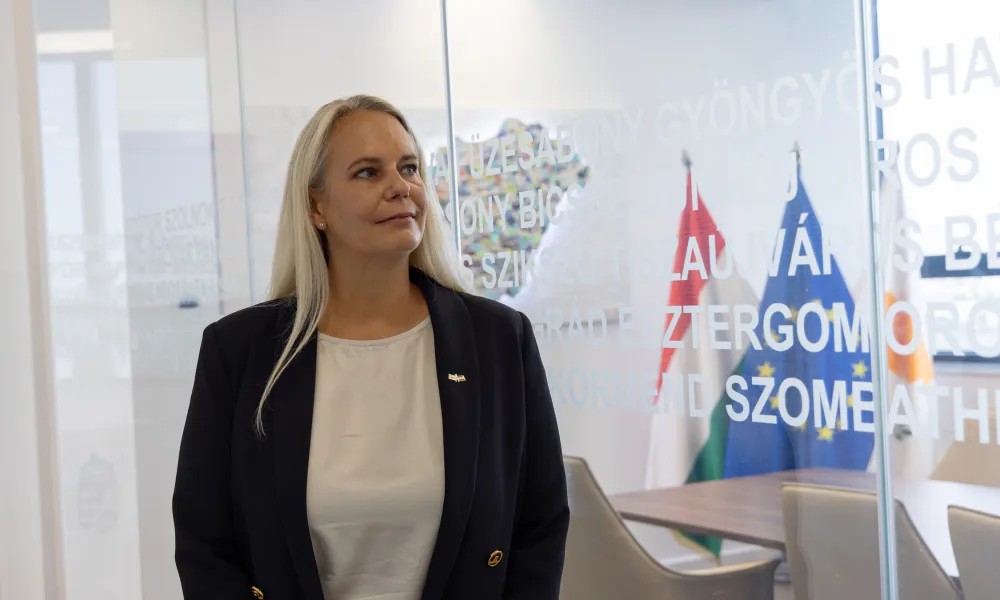
In an interview with Politis, Hungarian Ambassador to Cyprus Dr Krisztina Lakos reflects on the lessons of 1956, the challenges in rebuilding trust both domestically and internationally, and the growing opportunities for cooperation between Hungary and Cyprus, from energy to drones, space and crisis response.
Seeds of revolt
On 23 October 1956, Hungarians rose up against Soviet occupation, tyranny and oppression, said Lakos from the Hungarian Embassy, opened in 2024 in a high-rise building overlooking the capital.
Although Hungarians stood alone against the Soviet cannons and tanks, they understood that most of the freedom-loving world was in solidarity with them, noted the ambassador.
“The anniversary draws the world's attention to the fact that freedom, tolerance and democracy are not gifts, they do not naturally exist, and there are places where many have to sacrifice their lives for these values,” she said.
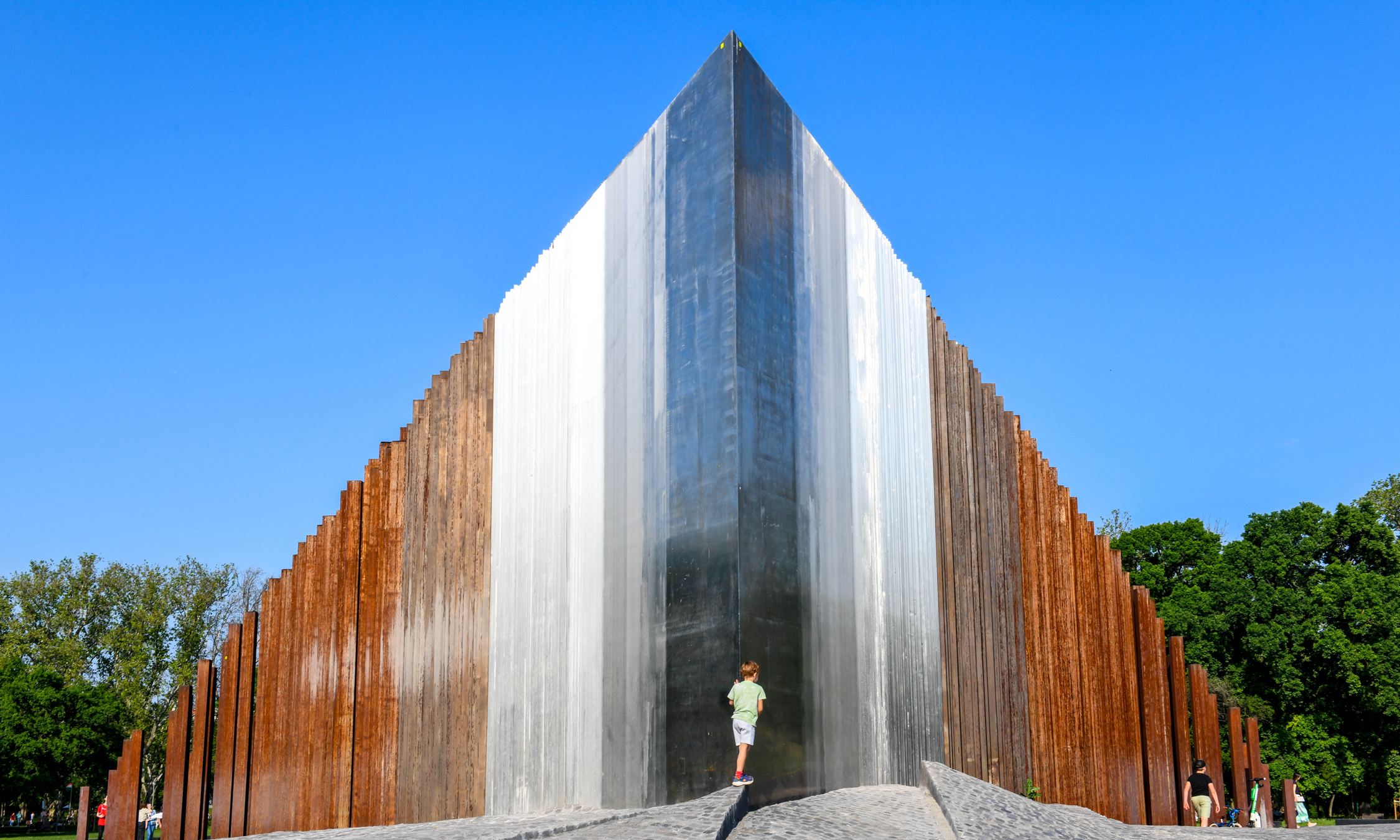
Lakos argued that the Soviet Union never really recovered from its brutal suppression of the revolution. Although not successful, the uprising served as an inspiration to freedom struggles elsewhere and ultimately changed history, she said.
“The freedom that Central Europe has enjoyed since 1989 did not begin in 1989, it began 30 years earlier on the streets of Budapest.”
The revolution’s message: “Tyranny will eventually fail.”
Turning point
Fast forward to 2026 and Hungarians once again stand at a crossroads.
After 16 years of Viktor Orbán's rule, people voted overwhelmingly against his Fidesz party in the April elections, giving Péter Magyar’s TISZA Party a two-thirds ‘super majority’ in parliament.
Magyar ran on a platform of sweeping institutional reforms and anti-corruption measures.
“The message from the voters was very clear. They wanted change,” said Lakos.
Since coming to office in May, Magyar’s government has worked nonstop to enact over 100 legislative reforms related to the rule of law and the fight against corruption, noted the ambassador.
In 2022, concern about rule-of-law backsliding led the EU to block €4.2 billion in cohesion funds earmarked for Hungary and freeze access to Erasmus+ and Horizon Europe funding.
As the war in Ukraine continued unabated, EU leaders also became increasingly frustrated with Orban’s Moscow-facing diplomacy.
However, last month, the European Commission proposed unlocking the €4.2 billion and reopening Erasmus+ and Horizon Europe to Hungarian students and researchers.
The April election set the country on a path of return. It has a seat at the table again. In July, Hungary was officially allowed to join the European Public Prosecutor's Office (EPPO) following a request by Magyar’s government. But showing that Hungary is a reliable partner will not happen overnight.
“The process is ongoing,” said Lakos.
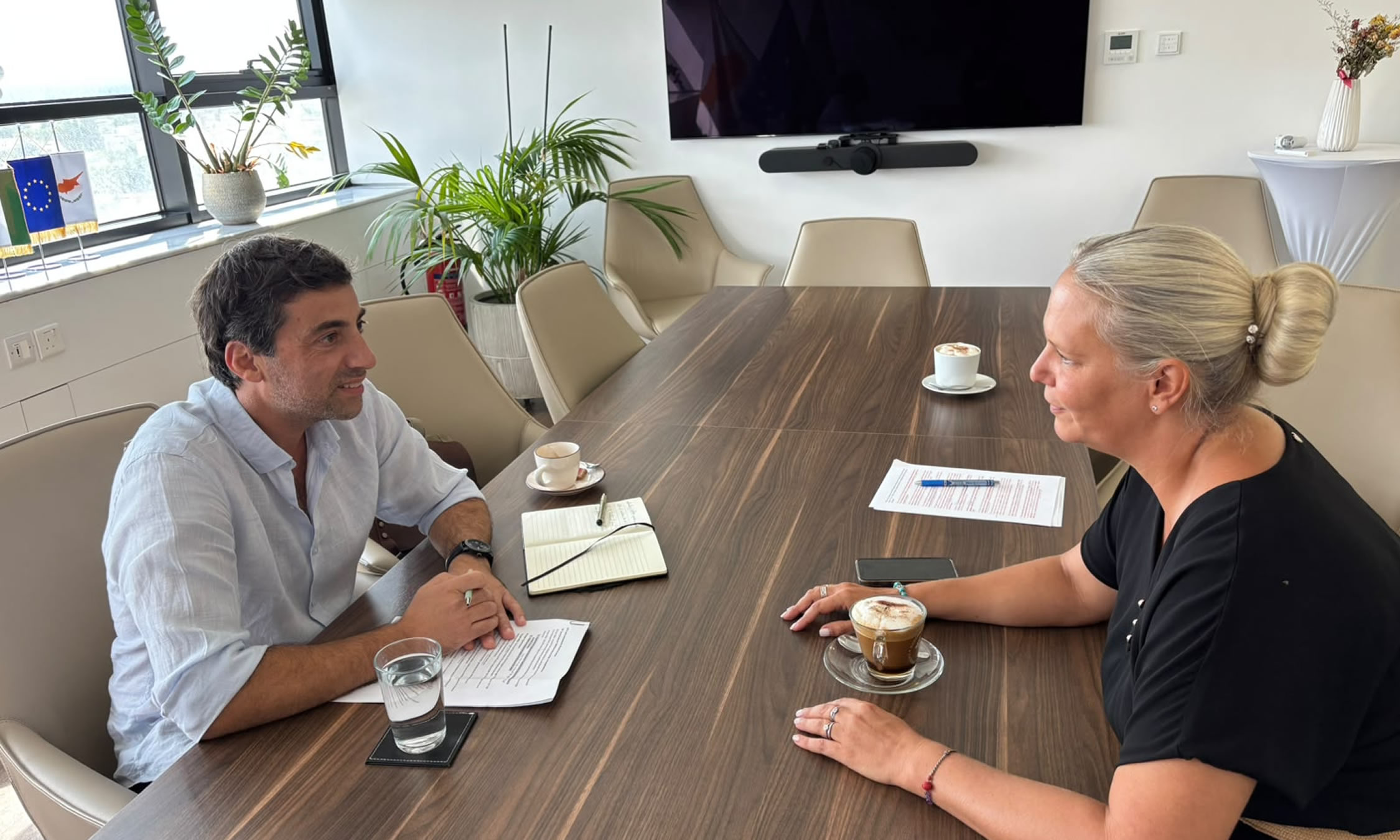
Institutional changes, structural changes, a focus on transparency and accountability, public media reform, foreign policy restoration, strengthening bilateral relations, these all take time, the ambassador noted.
“The main focus is that Hungary is returning to the table, being a constructive and trustworthy ally in the transatlantic community, the EU, NATO. The foreign policy goals are based on multilateralism, international law, and of course on sovereignty as well.”
Asked what the hardest and longest undertaking will be, Lakos replied: “To build back trust… Everywhere. The people’s trust towards the new system, but also internationally, towards Hungary. That will be the longest process, but we are on a good path.”
Sovereignty and EU unity
Asked whether the EU’s approach towards Hungary in recent years played a role in safeguarding democratic norms, Lakos took a moment to respond.
She noted the EU still has strong support in her country. At the same time, a balance needs to be found between preserving EU unity and respecting national sovereignty and priorities, Lakos argued.
“I think that's the hardest question, to find the balance.”
The ambassador raised as an example the issue of Ukraine. While Budapest strongly condemns the aggression against Ukraine, and supports its sovereignty and territorial integrity, the previous government failed to hold a constant dialogue with the EU and Ukraine, something the current government is trying to do.
“We supported the common European decision as regards Ukraine, but we have to represent our own interests as well,” said Lakos, referring to the Hungarian minority in Ukraine’s Transcarpathia region.
So, when asked about Ukraine’s EU accession, Budapest will say it has to be merit-based and point to treatment of that minority.
“We are striving for a very constructive dialogue with them, and there are some successes already,” said the ambassador, pointing to a minority action plan agreed with Ukraine in June, whose implementation will open the door to a planned visit by Magyar to the country.
“So, all EU member states have national interests. But if you want to be united and to be a real power, then you have to behave within the EU framework also.”
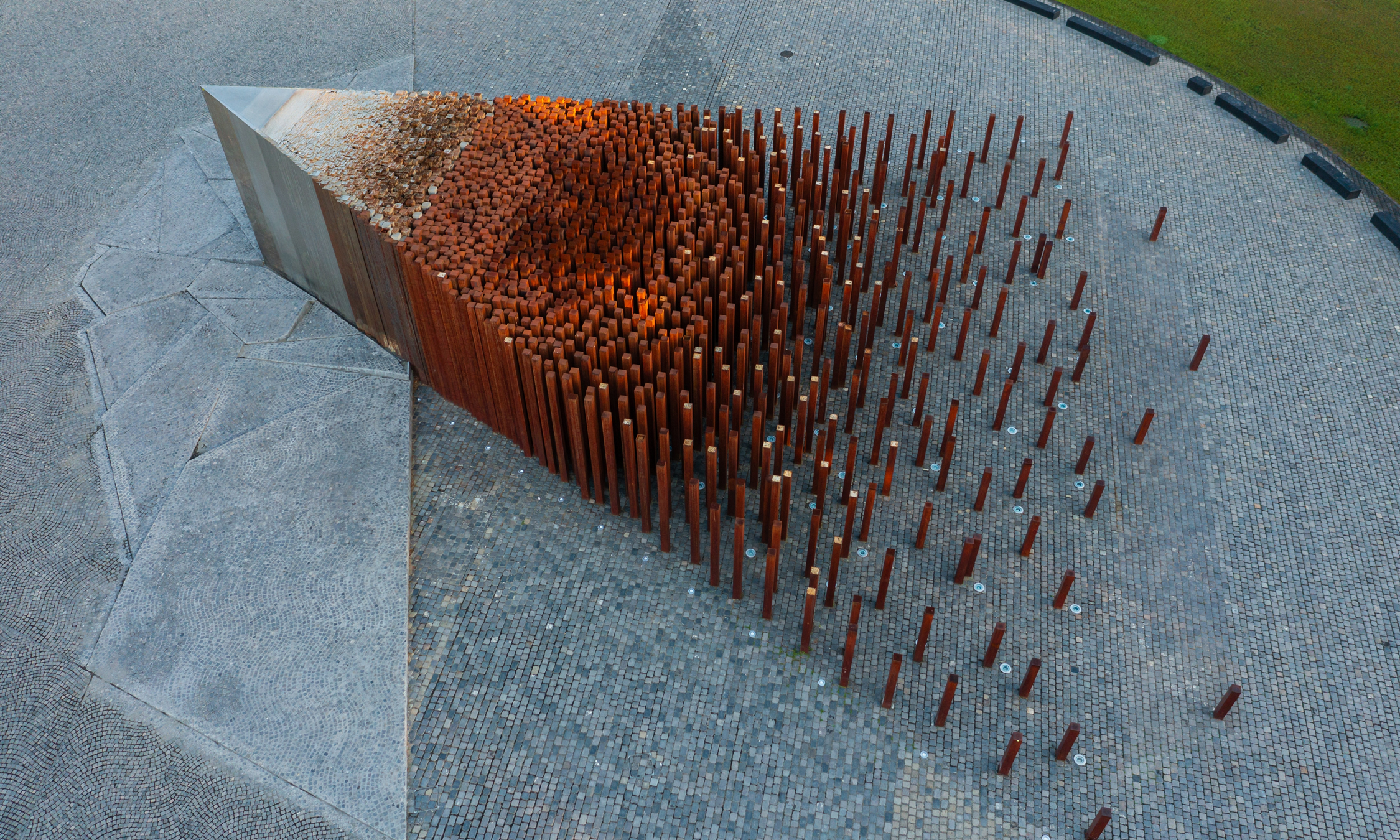
On Russia, Lakos said Hungary wants to maintain contact with Moscow. At the same time, it expelled 10 Russian diplomats from Budapest last month for “activities that were completely incompatible with their diplomatic status”. This in turn led to a tit-for-tat move by Russia.
“We will not change this decision, but we want to maintain diplomatic contacts with Russia. We are not interested in escalating tensions.”
Bilateral relations
Around 4,000 Hungarians live permanently in Cyprus while another 60,000 visit annually. The two countries have signed a number of Memorandums of Understanding (MOUs) on diplomatic academies, humanitarian assistance, development cooperation and supporting Christians and other religious minorities in the Middle East.
Beyond tourism, the ambassador pointed to a number of areas ripe for enhanced collaboration.
Energy is one, with Hungarian company MOL about to purchase Shell’s 35% stake in the Aphrodite gas field for up to $720 million, subject to regulatory approval.
In the economic field, Hungary has started exporting drones to Cyprus – agricultural drones and drones used for cleaning buildings.
Lakos also highlighted space research, sports, water management, digitalisation and smart city solutions as areas for growth.
Regional security
Regarding Cyprus’ location in a volatile region, the ambassador noted the potential for strengthening bilateral relations in security. It’s important to note Cyprus is a regional hub, said Lakos, as made increasingly obvious by the escalating conflicts in recent years in the Middle East.
Evacuating and repatriating Hungarian nationals from the region, particularly in the last three years, would have been much harder without the help of Cyprus, she said.
“That’s why we also wanted to be part, as an observer at least, of the Non-combatant Evacuation Operations Coordination Group (NEOCG). It’s very important to coordinate these kinds of moves,” said Lakos.
The NEOCG is a multinational coordination mechanism whose representatives plan and coordinate the evacuation and repatriation of civilians from regional crises.
Organisation of Turkic States
On Hungary’s observer status in the Organisation of Turkic States (OTS), Lakos acknowledged she gets asked a lot about this, given that the breakaway entity in the north also has observer status.
She noted the economic importance of Central Asia to Hungary, but said Budapest’s position on the so-called ‘TRNC’ is not incompatible with international law and does not contradict the EU’s official position. It has not entered into bilateral relations with the breakaway entity and refrains from actions that might imply recognition, said Lakos.
Life in the slow lane
On a personal note, the ambassador highlighted the simple pleasures of living on the island – a good coffee, shared meal and slower pace of life.
“If you are 15 minutes late, it’s not the end of the world.”