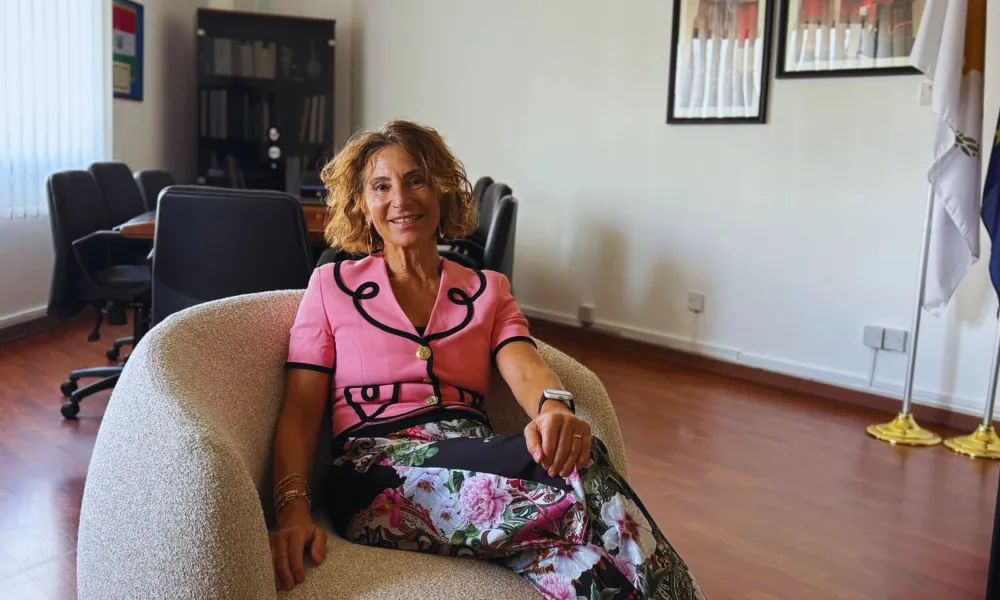



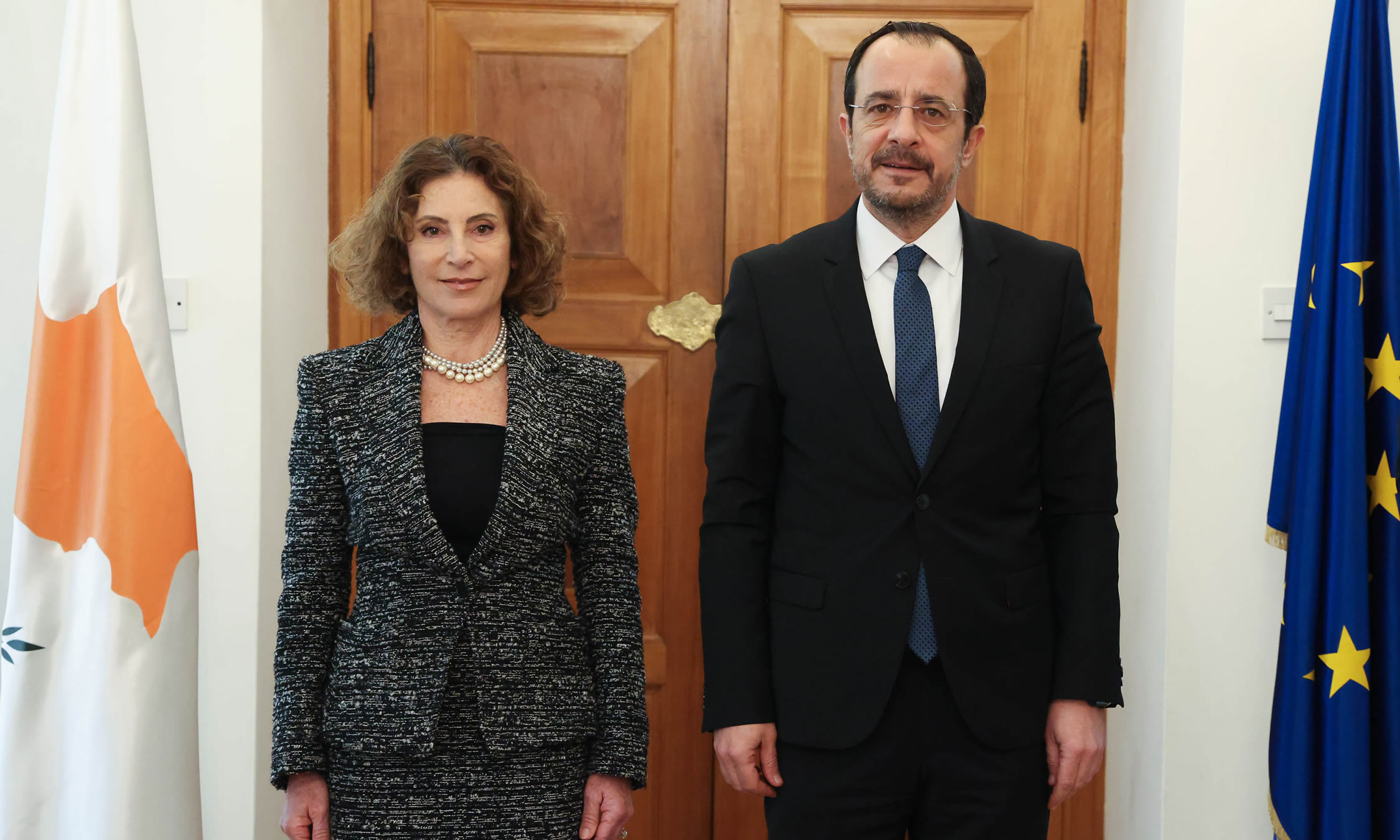
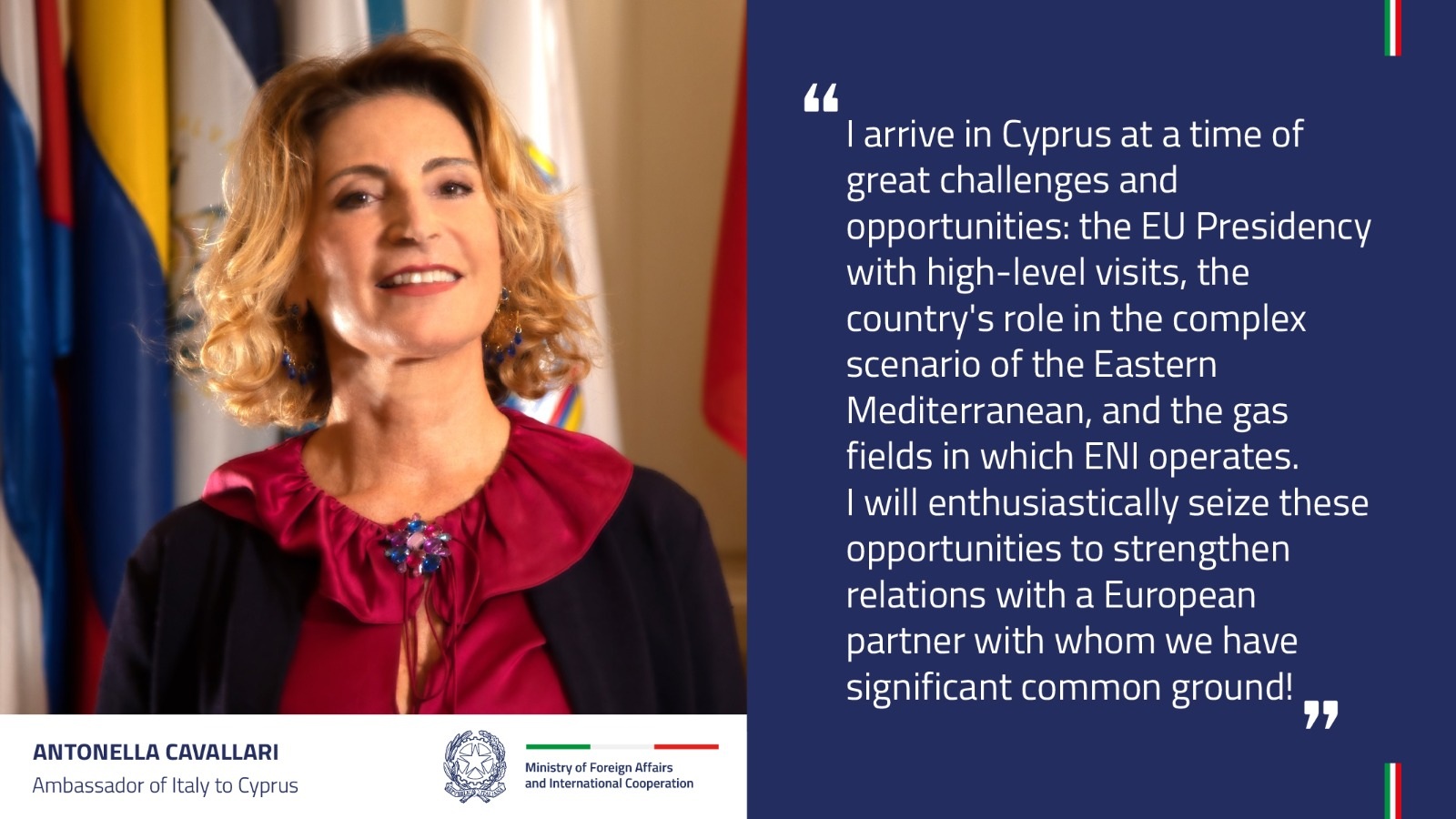
Italy's ambassador to Cyprus, Antonella Cavallari, has described the island as a future "regional hub" for European strategic autonomy, speaking at length about the trade, energy and security ties binding the two countries as a new Cyprus-Italy action plan takes shape.
The framework, agreed after President Nikos Christodoulides' visit to Rome earlier this year, is intended to identify sectors where cooperation can deepen. But the ambassador stressed that work is not waiting for the plan to be finalised. "We already are working," she said, pointing to trade as the clearest example. Italy is Cyprus' second-largest trading partner after Greece, with bilateral trade standing at around €1.2 billion. A business forum held in Limassol, on the sidelines of a visit by Italy's foreign minister for the EU's informal Gymnich meeting, brought together the Cyprus Chamber of Commerce and businesses from both countries around four priority sectors: maritime shipping, vocational training and technology exchange, digitisation, and environmental cooperation on agriculture and water and waste management.
Energy and the Turkey question
Energy remains the most closely watched sector, led by the Italian company ENI, which the ambassador called a "pioneer" in Cypriot waters. ENI heads the consortium developing offshore gas, and the ambassador said the sector is awaiting a Final Investment Decision, a complex process involving numerous subcontractors that she expects to conclude soon, with operations beginning by the end of the year.
Asked how Italy balances its energy interests in Cyprus with ENI's long-standing ties to Turkey, the ambassador said the relationship with Ankara has to be viewed within the wider negotiation on the Cyprus problem. She noted that most of the gas fields, including the recently awarded ExxonMobil-operated Glaucus field, lie entirely within Cyprus' exclusive economic zone, and are not currently subject to Turkish claims. Still, she argued that a political settlement could open the way to further cooperation on connectivity, submarine cables and pipelines, given the short distance to the Turkish coast.
A new momentum on the Cyprus problem
On the Cyprus problem itself, the ambassador acknowledged frustration on both sides after the failed 2017 talks at Crans-Montana, but argued that the geopolitical context has shifted since then. She pointed to the wars in the region, in Gaza, Lebanon and beyond, as reasons diplomacy needs a success story. "We badly need to believe in something," she said, adding that proving multilateralism can deliver results matters more now than in the past.
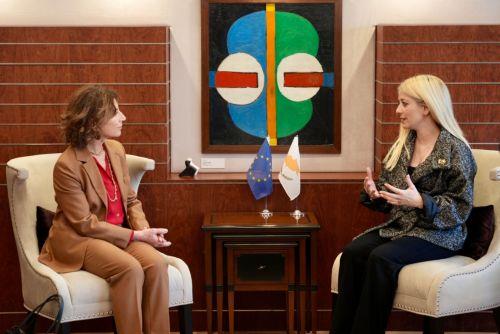
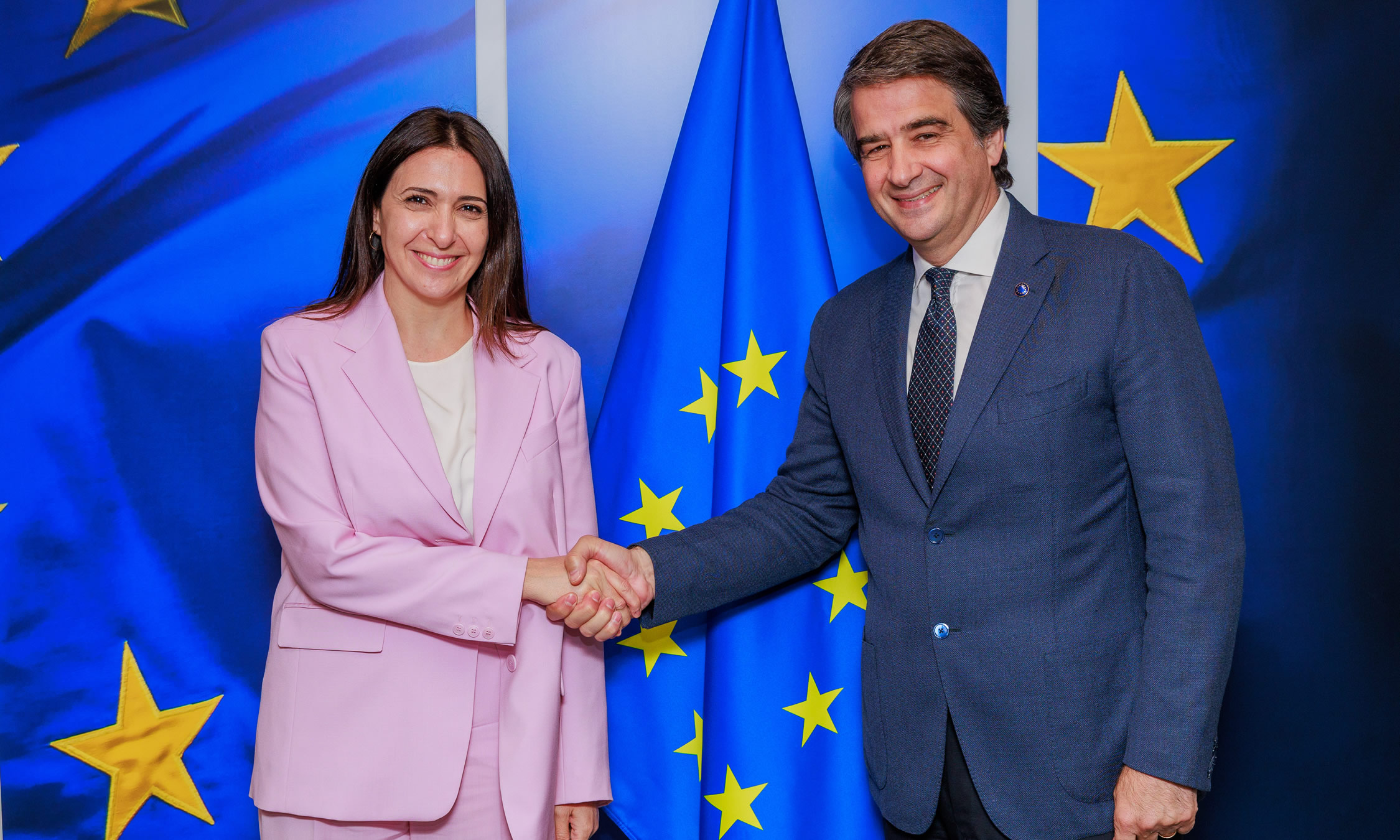
She expressed confidence in the current cast of mediators, praising the experience of María Ángela Holguín, the UN Secretary-General's Personal Envoy on Cyprus, and Raffaele Fitto, the European Commission's newly appointed Special Representative for Cyprus. "I think they are the right people at the right moment," she said. She described the two leaders, President Christodoulides and Turkish Cypriot leader Tufan Erhürman, as sharing a will to move forward, even if their ultimate aims may still differ, and said what is now needed is agreement on a shared path within the existing bizonal, bicommunal federation framework.
Peacekeeping and Italy's role
Turning to security, the ambassador highlighted Italy's long tradition of UN peacekeeping, citing around 750 Italian soldiers deployed with UNIFIL in Lebanon and Italy's command of the EU's Aspides mission in the Red Sea, alongside naval patrols in Cypriot waters. She linked this to Italy's constitution, which she said commits the country to rejecting war as a means of resolving disputes.
She singled out the four Italian carabinieri serving with UNFICYP, the maximum allowed under the UN framework, for praise, crediting their approach in Pyla to a policing style built on dialogue rather than confrontation. On the question of Cyprus' security architecture after a settlement, she argued that EU and NATO mutual-defence clauses, Article 42.7 of the EU treaty and NATO's Article 5, already offer Cyprus protection, but acknowledged that Cyprus' path to NATO membership remains tied to Turkey's NATO status and, ultimately, to a resolution of the Cyprus problem.
A changed island
The ambassador, who previously served in Cyprus around two decades ago before a long posting in Latin America, said she was struck by how much the island has changed since EU accession, while retaining what she called its spirit and hospitality. She praised the regeneration of Paphos' historic centre, funded in part through EU cohesion funds, recalling a recent walk through the city with President Christodoulides and Commissioner Fitto. She was more measured about Limassol, saying the city "lost a lot of its character" amid rapid development, and pointed to Nicosia's old town, and the cooperation between Mayor Charalambos Prountzos and his Turkish Cypriot counterpart, as a better model for balancing growth with identity.
She closed by praising the pragmatism of Cyprus' recently concluded EU Council presidency, saying she had personally conveyed her admiration to President Christodoulides and to Deputy Minister for European Affairs Marilena Raouna, and that the same enthusiasm was echoed in reports from Italy's mission in Brussels.