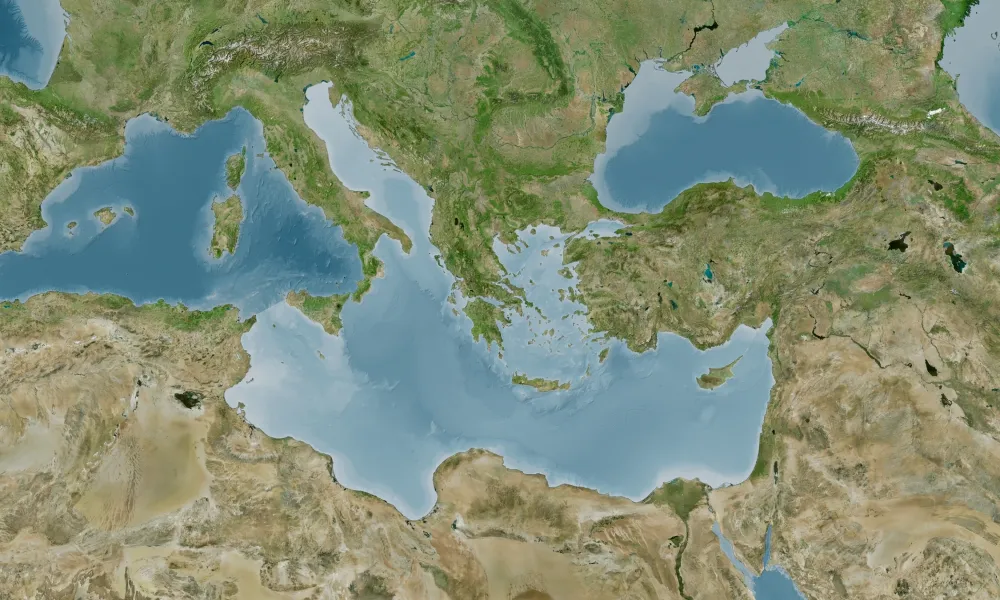

The diplomatic activity surrounding the Cyprus issue is now taking on dimensions that go beyond efforts to restart negotiations. If it is true that the search for a settlement is linked to EU-Turkey relations, Greek-Turkish ties, energy planning in the Eastern Mediterranean and the new security balances taking shape in the region, then developments cannot be ruled out.
In recent years, Turkey has shown little meaningful willingness to treat the Cyprus issue as a standalone priority. Instead, it appears to assess any restart through the prism of its broader strategic and economic interests. This is precisely what Nicosia and Brussels are seeking to leverage by linking progress on Cyprus to the prospect of upgrading the EU-Turkey Customs Union.
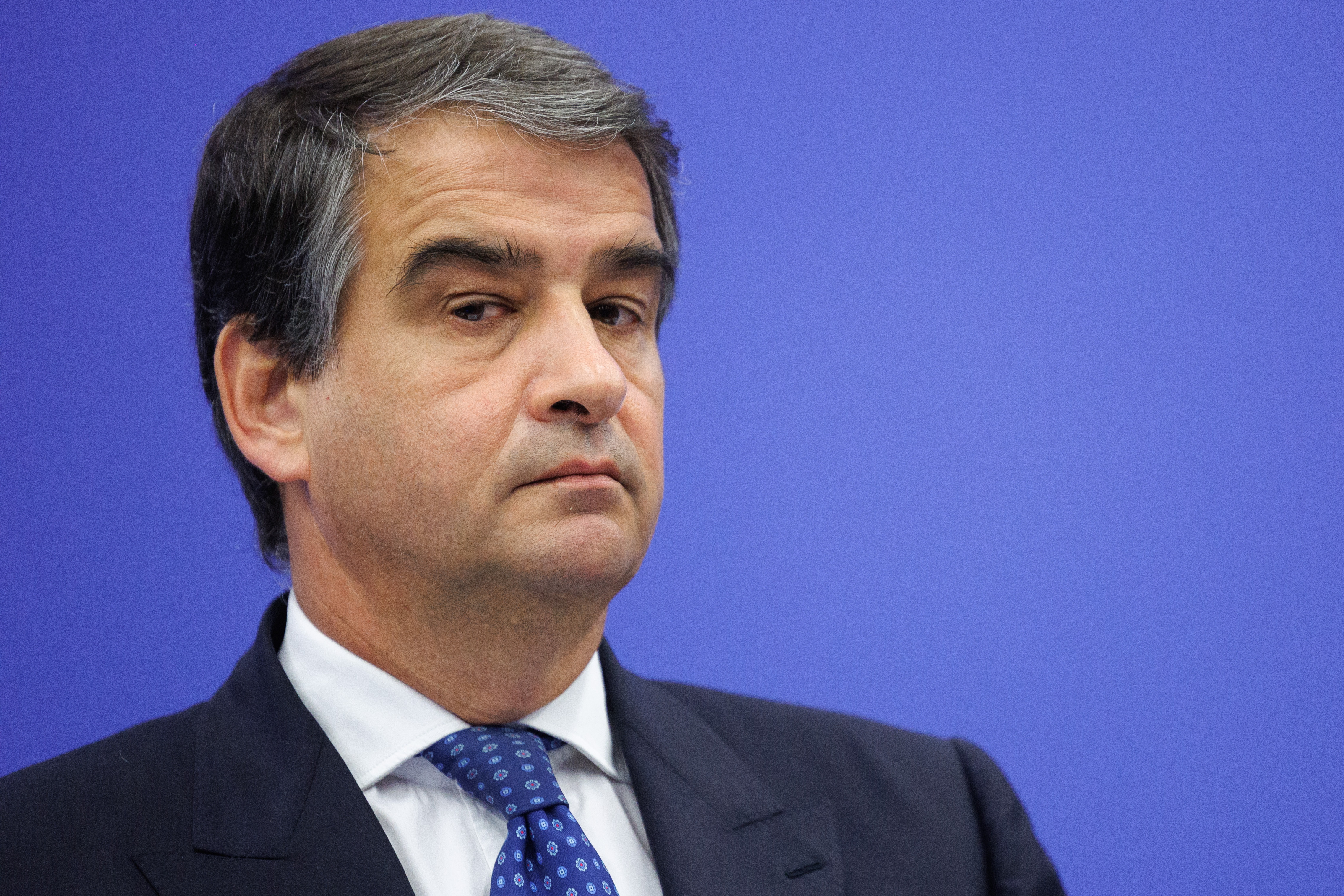
The visit of European Commission Special Representative Raffaele Fitto to Ankara on 20 November forms part of this approach. According to Greek Cypriot sources, the proposal he is expected to convey to Turkish Foreign Minister Hakan Fidan concerns the launch of discussions on modernising the Customs Union, provided there is a substantive resumption of Cyprus negotiations.
This is not a pre-emptive concession to Turkey, the same sources say, but a process of reciprocal moves in which European benefits would be linked to concrete progress.
The five-party conference passes through the crossing points
At the diplomatic level, the 9 November agreement on the simultaneous opening of two new crossing points, Louroudjina and Lympia, as well as Kampos and Karavostasi, enabled the UN Secretary-General’s Personal Envoy, María Ángela Holguín, to keep the process alive, even though the results were more than modest.
According to a United Nations source, it would be particularly important at the forthcoming trilateral meeting between António Guterres, President Nikos Christodoulides and Tufan Erhürman to reach agreement on the two other main crossing points, Mia Milia and Athienou via Pyroi to Aglandjia. Such a development would significantly strengthen the prospects of convening an informal five-party conference before the end of 2026, providing Guterres with tangible evidence that the two sides can overcome their differences.
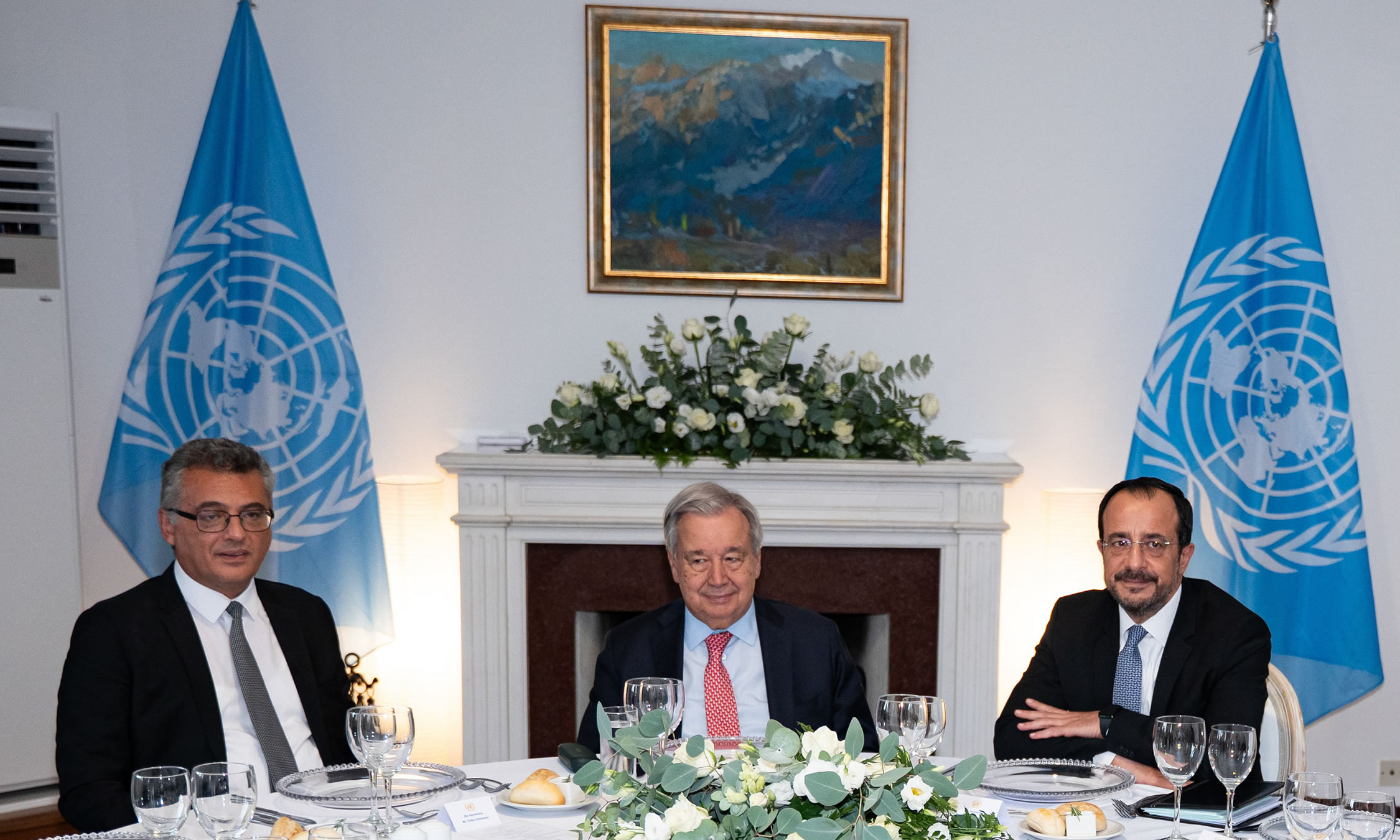
The outgoing Secretary-General is seeking to hand over an active process to his successor, potentially with an agreed roadmap, timetable and methodology for restarting talks in 2027. In that scenario, an extension of Holguín’s mandate could also be considered. Her continued presence would ensure continuity of contacts during the transition to new UN leadership, particularly if talks advance in parallel with a European process of engagement with Turkey.
GSI changes the landscape
Meanwhile, another development is attracting considerable geopolitical interest. The resumption of surveys for construction of the Great Sea Interconnector (GSI), the subsea electricity cable linking Greece and Cyprus, appears to be taking place under conditions of temporary Turkish tolerance.
The departure of the French survey vessel Abeille Marengo and the associated NAVTEX notices signal the resumption of the necessary technical work, although they do not yet indicate the start of cable laying. Despite its initial objections, Ankara appears, for the time being, to have chosen not to obstruct the surveys while maintaining its claims regarding maritime jurisdictions.
The significance of this development extends beyond the electricity interconnection itself. Greece, leveraging both French participation and European support, is contributing to the creation of a broader framework of economic and energy cooperation in the Eastern Mediterranean.
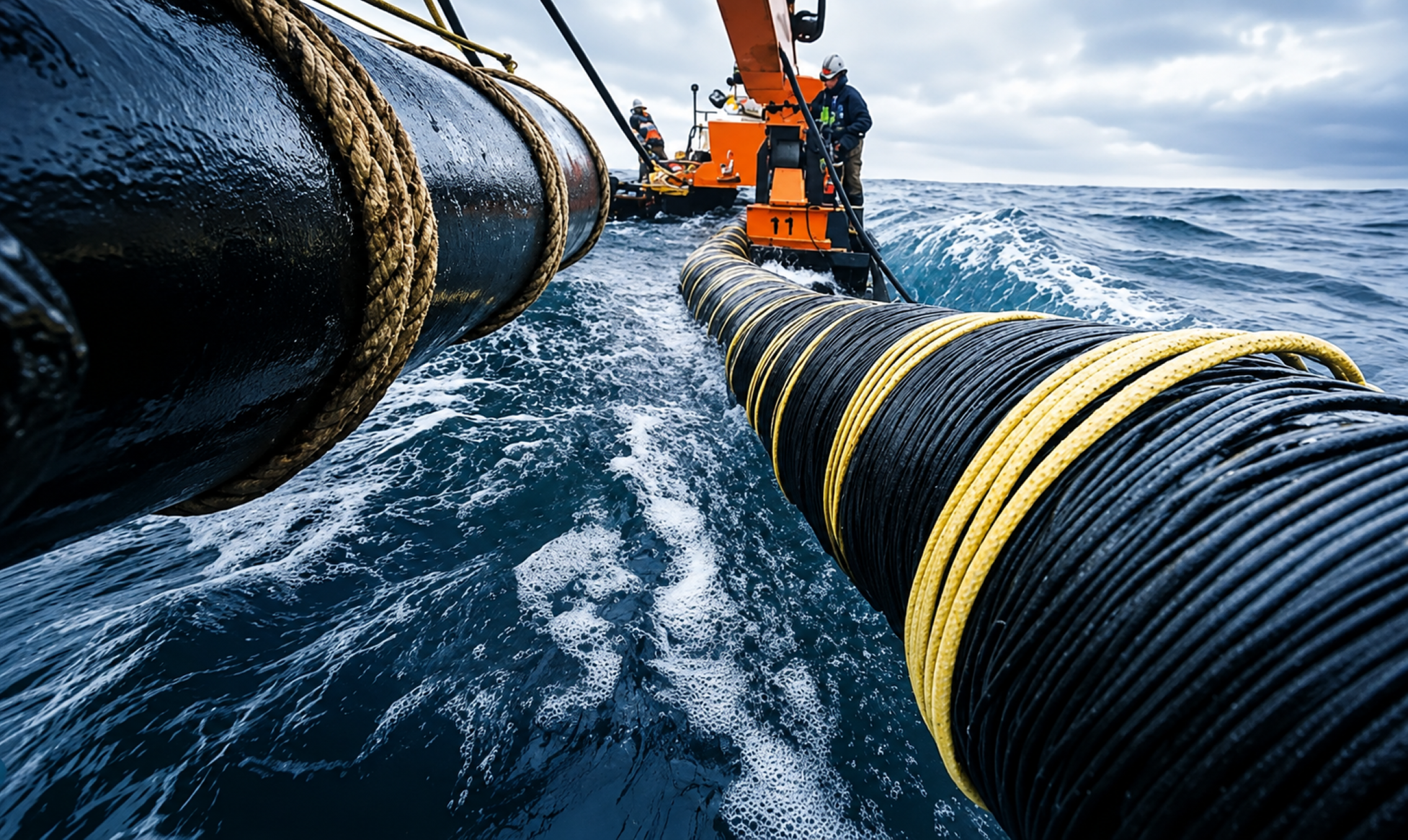
The electricity link between Greece and Cyprus, with the prospect of extension to Israel, together with the development of Cypriot natural gas through Egypt, could become complementary infrastructure within a regional energy market.
Over time, should the Cyprus issue be resolved and Greek-Turkish relations normalised, even Turkey could participate in this framework of cooperation. Instead of a region characterised by competing energy strategies, a network of interdependencies linking Europe with the Eastern Mediterranean could emerge.
Natural gas and Turkey’s interests
The energy dimension provides Ankara with an additional potential incentive. Estimates for the natural gas potential of Cyprus’ exclusive economic zone stand at around 20 trillion cubic feet. These volumes do not correspond entirely to proven commercially recoverable reserves.
At present, Egypt is the principal destination in plans for the utilisation of Cypriot natural gas, either for domestic consumption or for re-export to European markets.
An agreed Cyprus settlement, combined with the new drilling programme Exxon is preparing for 2027, could allow the Turkish Cypriot community to participate in the management of the natural resources of a unified federal state. By extension, it would also create prospects for Turkey on energy cooperation that currently remain politically constrained.
Ankara’s interest is not merely theoretical. It is already advancing plans for energy links with the northern part of Cyprus, including the prospect of wider regional utilisation.
The Israel relationship and the security dimension
There is, however, a second strategic reason why a settlement could serve Turkey’s long-term interests. It relates to preventing further military polarisation in the Eastern Mediterranean.
Cooperation among Cyprus, Greece and Israel has already expanded beyond economics and energy. It includes joint exercises, defence planning, infrastructure protection and the exploration of cooperation in the defence industry.
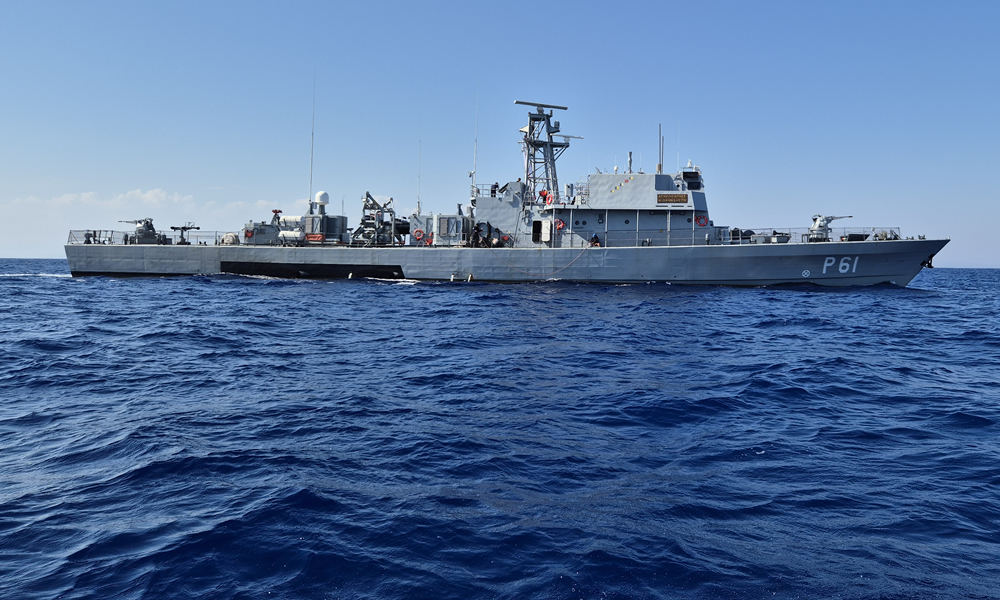
For Ankara, this relationship is seen as the emergence of a strategic axis that limits Turkish influence in the region. Some Turkish analysts even speak of encirclement and, by extension, a direct threat. The possibility that trilateral cooperation could evolve into a more structured military arrangement would intensify mistrust and competition.
Such a development would not inevitably lead to conflict. However, when combined with existing disputes over maritime zones, it could increase the risk of military incidents or uncontrolled escalation, with serious consequences for the entire region.
A Cyprus settlement could act as a de-escalation factor, reducing the need for competing regional military alignments and strengthening the economic content of Cyprus-Israel cooperation.
This does not mean that defence cooperation among the three countries would come to an end. It could, however, create a different environment in which Turkey would no longer view every regional initiative as a potential threat but would itself have an interest in participating in a system of economic and energy interdependence.
A political race against time
For the Republic of Cyprus, the resumption of substantive negotiations inevitably entails a significant reshaping of domestic political discourse. Discussion of governance, security, guarantees, territorial adjustment and property issues will require repositioning by all political forces, particularly in view of the 2028 presidential elections. The cost of negotiation, however, must be weighed against the consequences of continued stagnation.
In the northern part of Cyprus, realities are becoming entrenched that make the prospect of reunification increasingly difficult. Growing economic dependence on Turkey, demographic changes and the strengthening of Turkish influence over institutions and daily life are gradually limiting the political and economic autonomy of the Turkish Cypriot community.

Extending the current status quo does not preserve unchanged the conditions for a future settlement. On the contrary, it allows new faits accomplis to become entrenched, making an agreement progressively more difficult.
Nicosia therefore faces a moment that requires political preparation and strategic thinking, without underestimating the substantial challenges of negotiation.
The major challenge for 2027 is whether Turkey will conclude that the economic, energy and geopolitical benefits of a credible settlement process outweigh those of its current policy. If that happens, the five-party conference and any accompanying roadmap could become the starting point of a different course.
Ultimately, the real stake is not only the future of the Cyprus issue. It is whether the Eastern Mediterranean will evolve into a region of economic cooperation and interdependence or remain an arena of competing strategies and growing military tension.