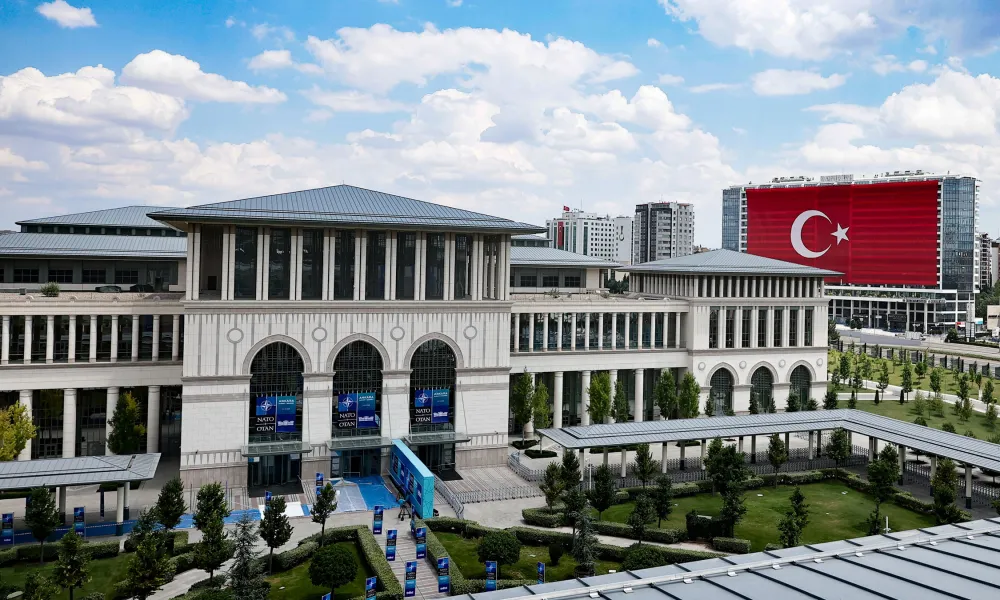

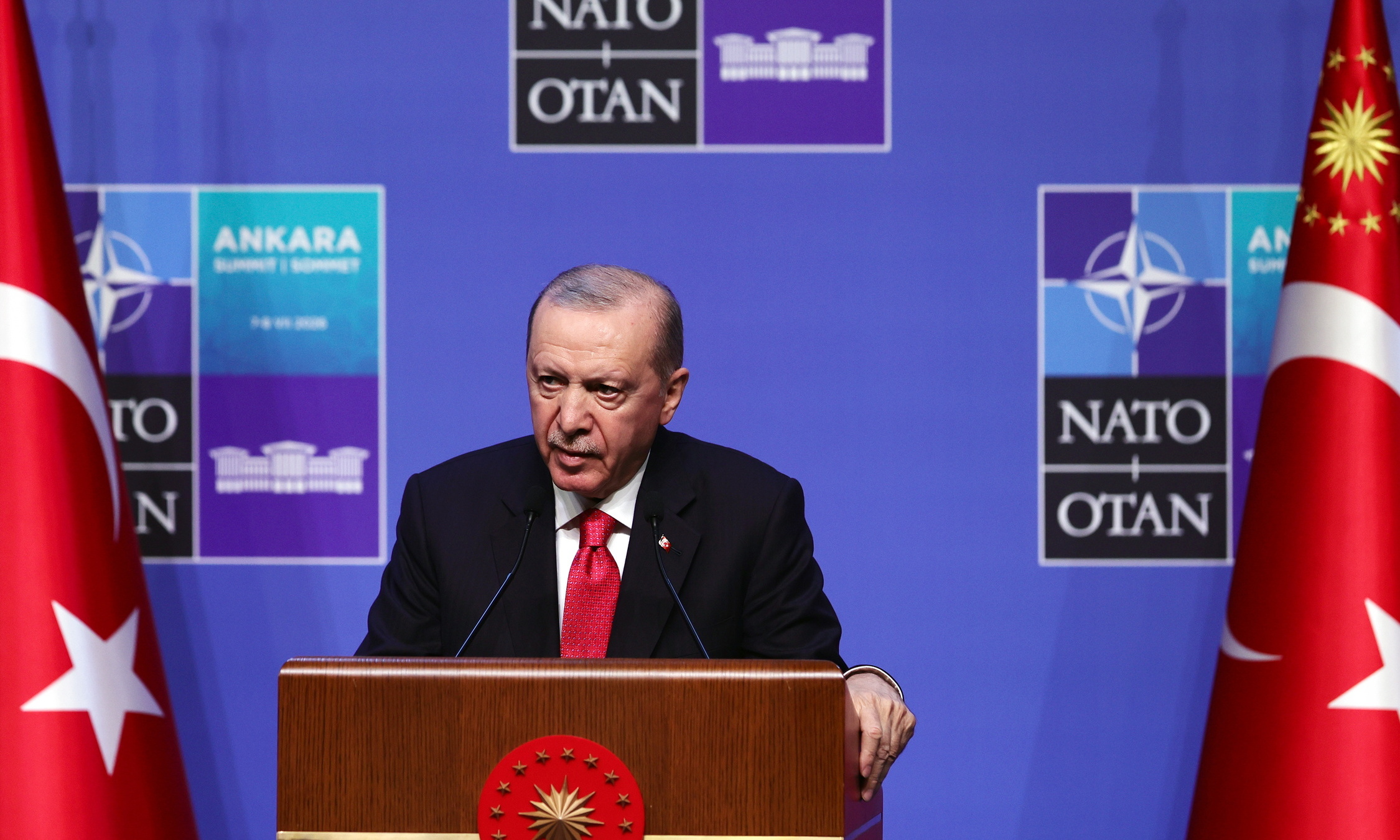
As the two-day NATO summit in Ankara came to a close on Wednesday, providing respite to the beleaguered residents of the Turkish capital, one thing seemed clear – Turkish President Recep Tayyip Erdoğan’s prestige and clout had been given a boost.
The days when NATO partners bristled at Ankara for delaying Sweden and Finland’s membership or for avoiding sanctions on Russia seem long gone. The continuing clampdown on dissent and opposition parties was not an issue for the North Atlantic Alliance to concern itself with either.
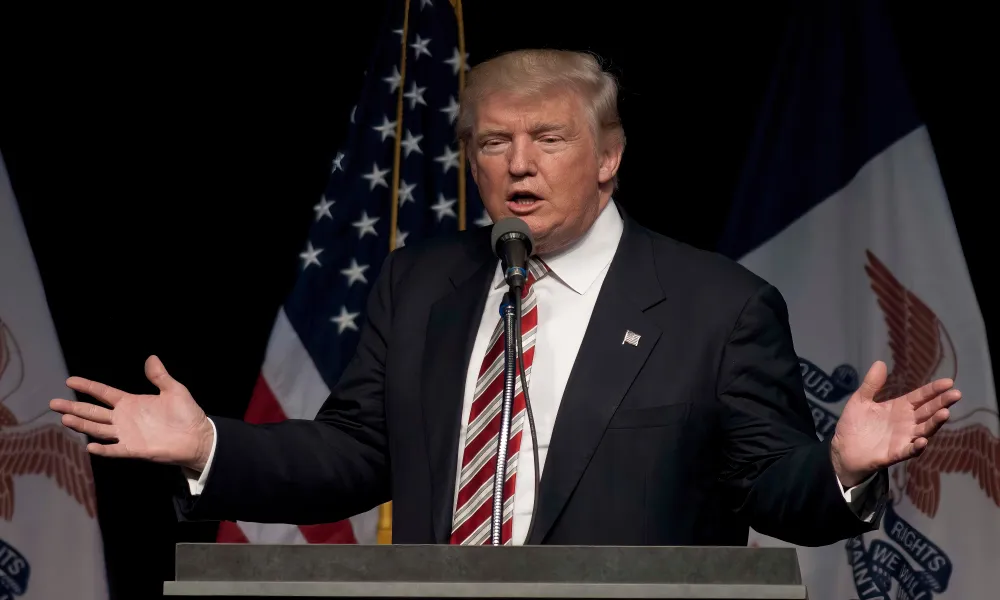
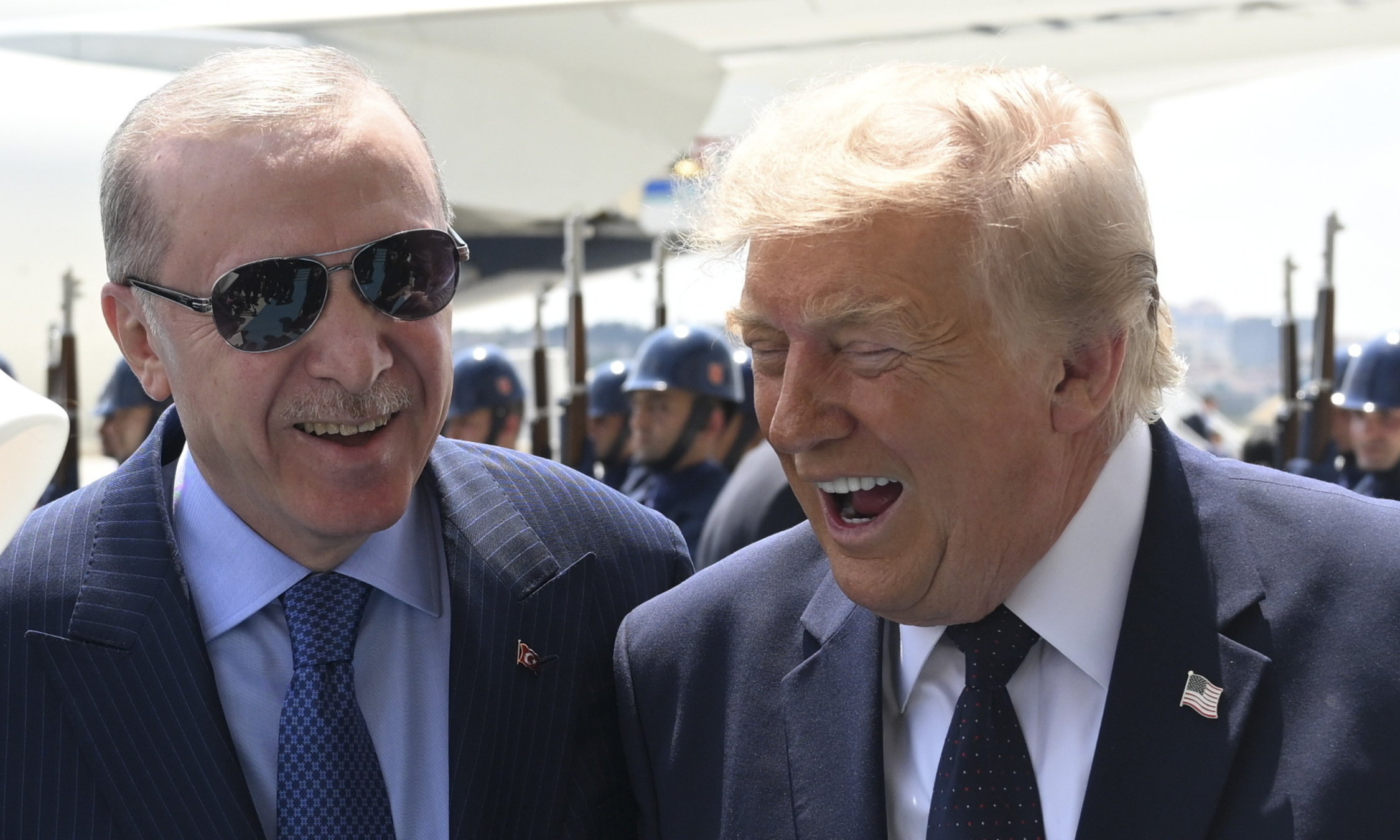
US President Donald Trump made it repeatedly clear that the main reason he was there was for his friend Erdoğan, who he was keen to sell F-35 fighter jets to.
Defence, arms production, sales
The order of the day was burden-sharing, defence investment and production, and support for Ukraine.
In other words, Europeans were expected to spend more on their own defence, find ways to invest more in the defence industry, produce more arms, and channel some of that to help Ukraine in its war against Russia.
According to yesterday’s Telegraph, Turkey is already helping Ukraine through the sale of its Bayraktar TB2 long-endurance drones that have proved most effective against Russian tanks. It also sells electronic warfare and radar systems to Poland, is building naval logistic ships for Portugal, and plans to deliver advanced jet trainers to Spain.
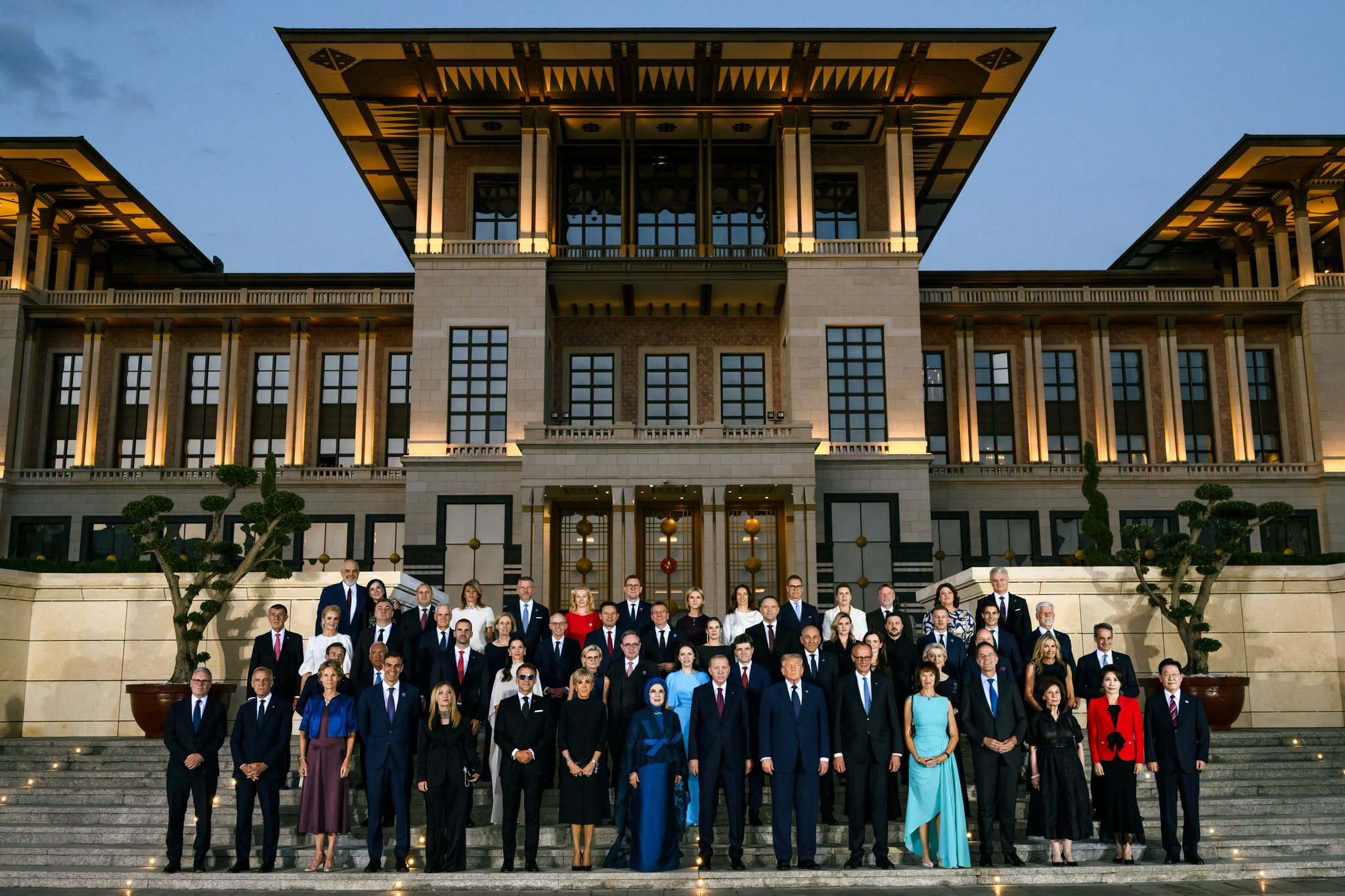
On the sidelines of the summit, Turkey also signed a new defence and security pact with the UK, prompting Turkey’s deputy defence minister Salih Ayhan to say the two countries sit on opposite ends of Europe, functioning as “two strategic shields to the alliance”.
EU-Turkey relations and Cyprus
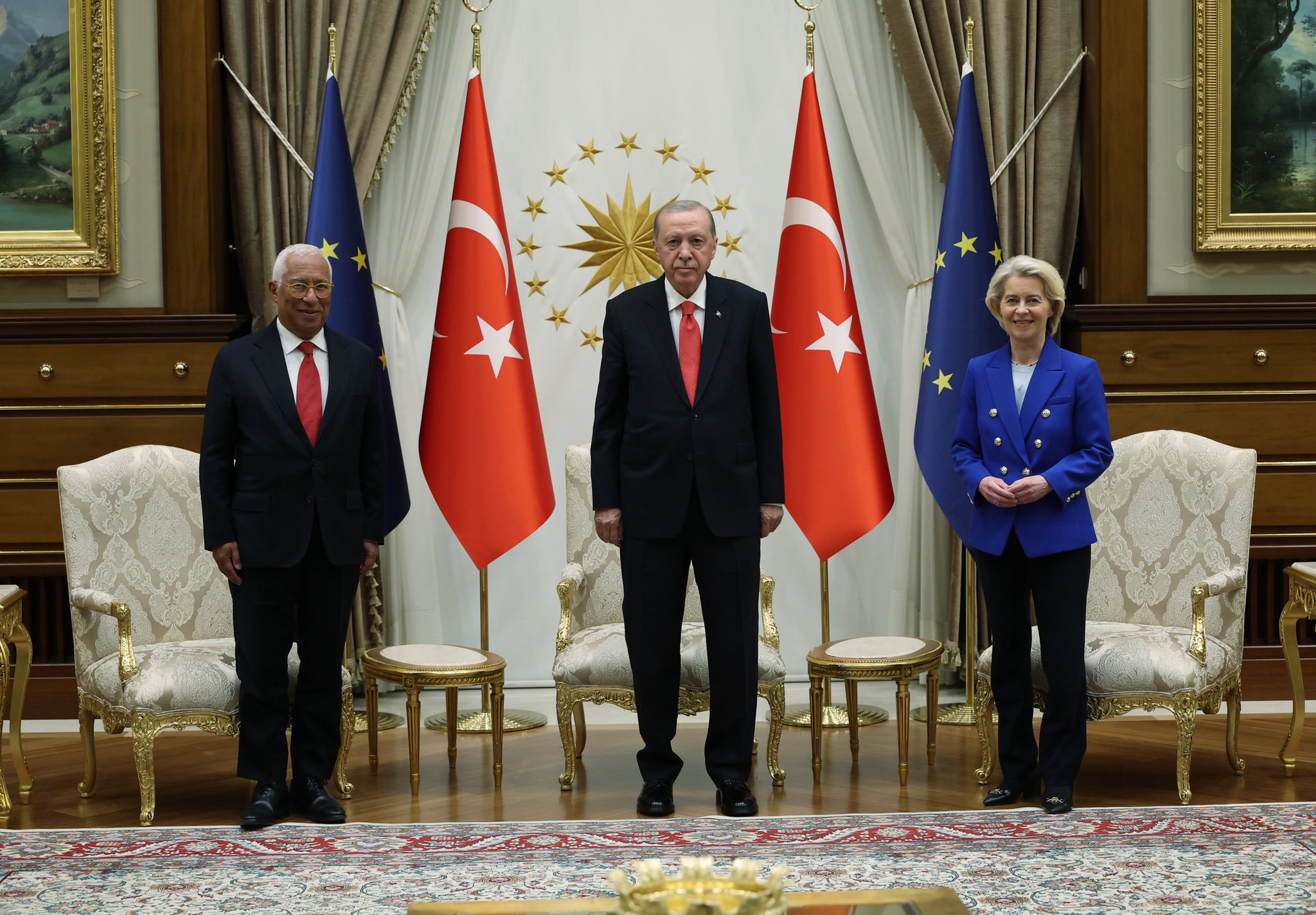
In this climate, Presidents of the European Council and Commission, António Costa and Ursula von der Leyen, met with Erdoğan, Turkish Foreign Minister Hakan Fidan and Trade Minister Ömer Bolat for a working dinner on Wednesday evening.
In identical social media posts yesterday, the EU chiefs thanked the Turkish president for the warm welcome, saying, “The EU and Türkiye are strategic partners, and we are committed to strengthening our relationship. In a more challenging world, our partnership matters more than ever.”
The two highlighted Turkey’s importance in addressing crises in the Middle East and supporting efforts for a just and lasting peace in Ukraine.
The post ended with a note on Cyprus: “We must also seize the renewed momentum to advance a settlement of the Cyprus issue through the UN-led process.”
Asked to elaborate during yesterday’s Brussels briefing, European Commission spokesperson Olof Gill said the meeting in Ankara covered EU-Turkey relations – ranging from defence, migration and mobility to trade and industrial policy – plus “wider geopolitical issues including Cyprus, Ukraine, the Caucasus region and the situation in the Middle East”.
According to Ankara-based journalist Yusuf Kanlı, rather than return to a bizonal, bicommunal federation, Erdoğan reportedly reiterated in the meeting Ankara’s insistence that any future negotiating process must begin by acknowledging the sovereign equality and equal international status of the Turkish Cypriot side.
Christodoulides briefs and gets briefed
President Nikos Christodoulides met yesterday with coalition partners DIPA, EDEK and the Ecologists, to brief them on the Cyprus issue. According to information obtained by Politis, they were told UN Secretary-General António Guterres’ aim is to have a strategic agreement, locking in convergences, by the end of the year, which he can pass on to his successor.
Costa and von der Leyen also briefed Christodoulides by phone on the dinner with Erdoğan. The president will discuss the issue again with von der Leyen in person early next week in Paris.
Speaking to reporters, government spokesperson Konstantinos Letymbiotis called on Ankara to demonstrate its purported support for the UN initiative on Cyprus “in practice”.
He said both the European Commission and Council made it perfectly clear that the issues Turkey wishes to see progress on “are directly linked to progress on the Cyprus issue”.
Clear message to Ankara
“Turkey’s obligations arising from Cyprus are European obligations, and for progress to be made on the issues raised by Turkey, Turkey must demonstrate a constructive and determined willingness to move forward on the Cyprus issue,” said Letymbiotis.
Asked how the Turkish leadership responded, the spokesperson skirted around the issue, reiterating that Turkey is interested in seeing progress on specific issues, and that EU-Turkey engagement will continue at all levels.
According to Letymbiotis the EU’s message to Ankara, delivered by the two EU chiefs and by EU foreign policy chief Kaja Kallas last week, “has now become absolutely clear”.
Who jumps first
Given the increasingly emphasised link between EU-Turkey relations and the Cyprus issue, the question that remains unanswered is who goes first? How will this parallel progress be sequenced and who will drive it forward?
Letymbiotis argued that the framework is clear and approved by all 27 EU member states. It “provides for a gradual, proportionate and reversible approach whereby progress in EU-Turkey relations advances in parallel with progress on the Cyprus issue”.
Asked whether Erdoğan wanted to see progress on EU-Turkey relations before moving on the Cyprus issue, the spokesperson said first there must be progress on the Cyprus issue.
Regarding Turkey’s stated support for Guterres’ initiative on Cyprus, Letymbiotis called on Ankara to demonstrate this “in practice”.
He added: “A rhetorical position must be translated into genuine intent, and this will be proven through the convening of an informal expanded meeting” which “should result in the resumption of negotiations within the agreed framework”.
In other words, as Nicosia sees it, if there is progress on issues of substance that leads to a 5+1 meeting that opens the door to formal negotiations aimed at a settlement, “then yes, we are ready for tangible steps to be taken in advancing EU-Turkey relations”.
Define momentum
So, where does this leave the Cyprus effort? If Turkey expects the EU (including Cyprus and Greece) to push ahead on a customs union upgrade, visa liberalisation and participation in SAFE without seeing significant steps toward a resumption of talks on the agreed basis, then those who’ve invested hope in the Guterres initiative risk spending a long, hot summer with nothing to write home about.
However, the EU’s pragmatic desire to forge closer cooperation with Turkey in the current geopolitical climate, particularly on security, is increasingly clear. Something’s got to give. It remains to be seen what.