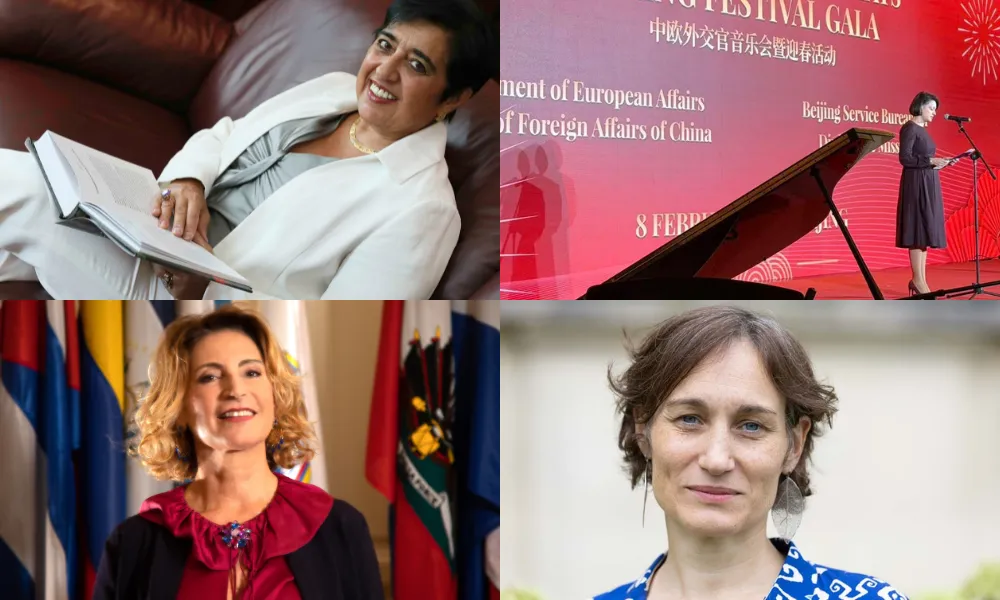

Erato Kozakou-Markoullis: "Serving my country fulfilled my professional purpose"
For Erato Kozakou-Markoullis, Cyprus's first and so far only female Foreign Minister, the path to diplomacy began not in Nicosia but in New York. Having completed degrees in Law, Public Law, Political Science and a PhD in Political Science and Sociology, she was looking for a role that would bring her diverse studies together.
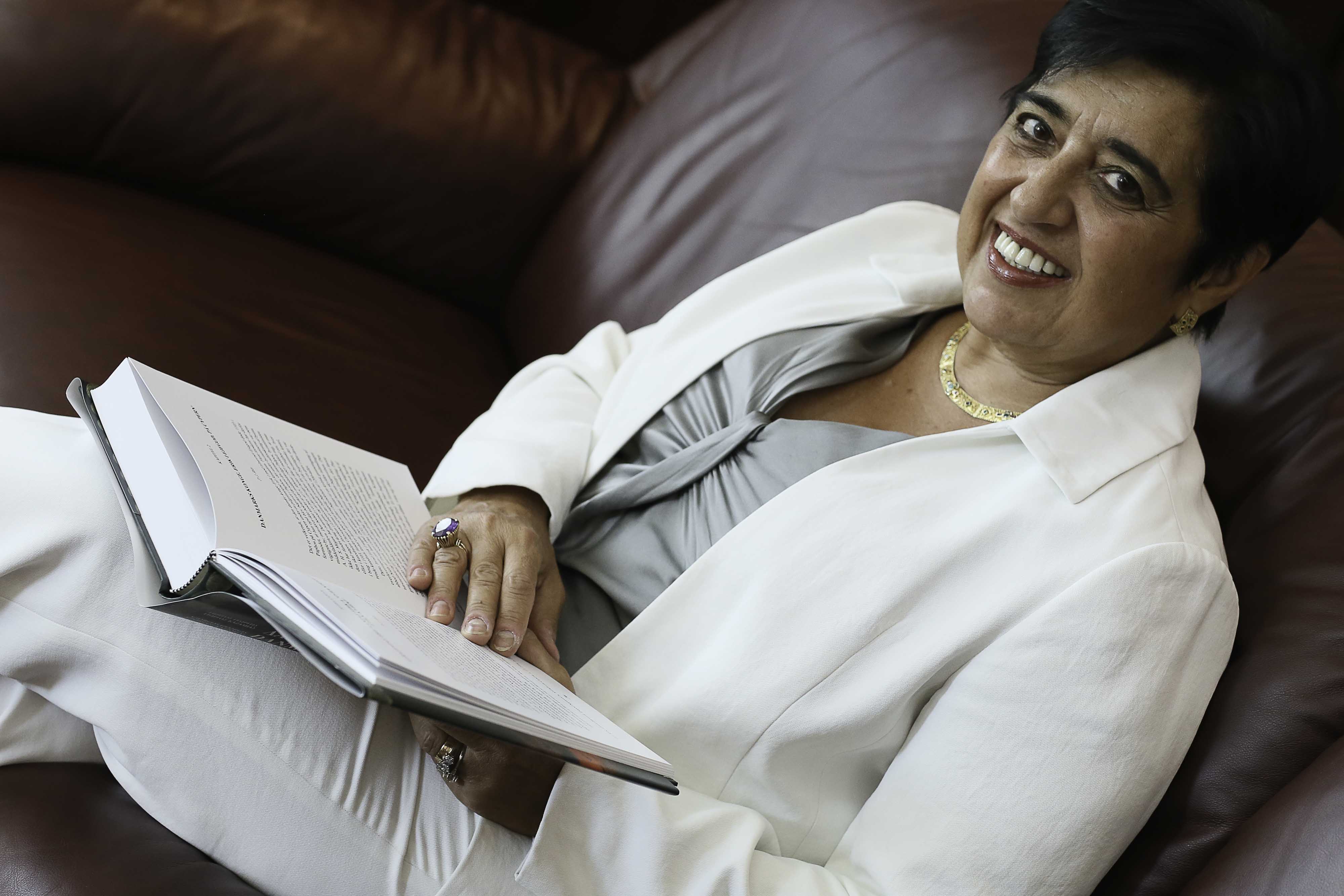
"Initially, I thought the United Nations would serve that purpose, so I began looking for openings at the UN Secretariat," she recalls. "I came close to accepting a position in the Political Department when I learned that the Permanent Mission of Cyprus to the UN was looking to hire a locally employed attaché during the General Assembly in September 1980. I applied and got the position. That marked the beginning of my 27-year journey into diplomacy."
The early years were far from secure. "I became very passionate about the job, despite its low pay and lack of guarantee for renewal. Serving my country, especially during such a critical time shortly after the Invasion, fulfilled my professional purpose."
Her career took her from New York to heading the Cyprus Question and Turkey division during the Annan Plan period, to Ambassadorial postings in Sweden and Washington D.C., where she was the first female Ambassador from Cyprus in both countries, with concurrent accreditations to several others. The pinnacle came with two tenures as Foreign Minister, first in 2007 and again in 2011, the second coinciding with Cyprus's first Presidency of the Council of the European Union.
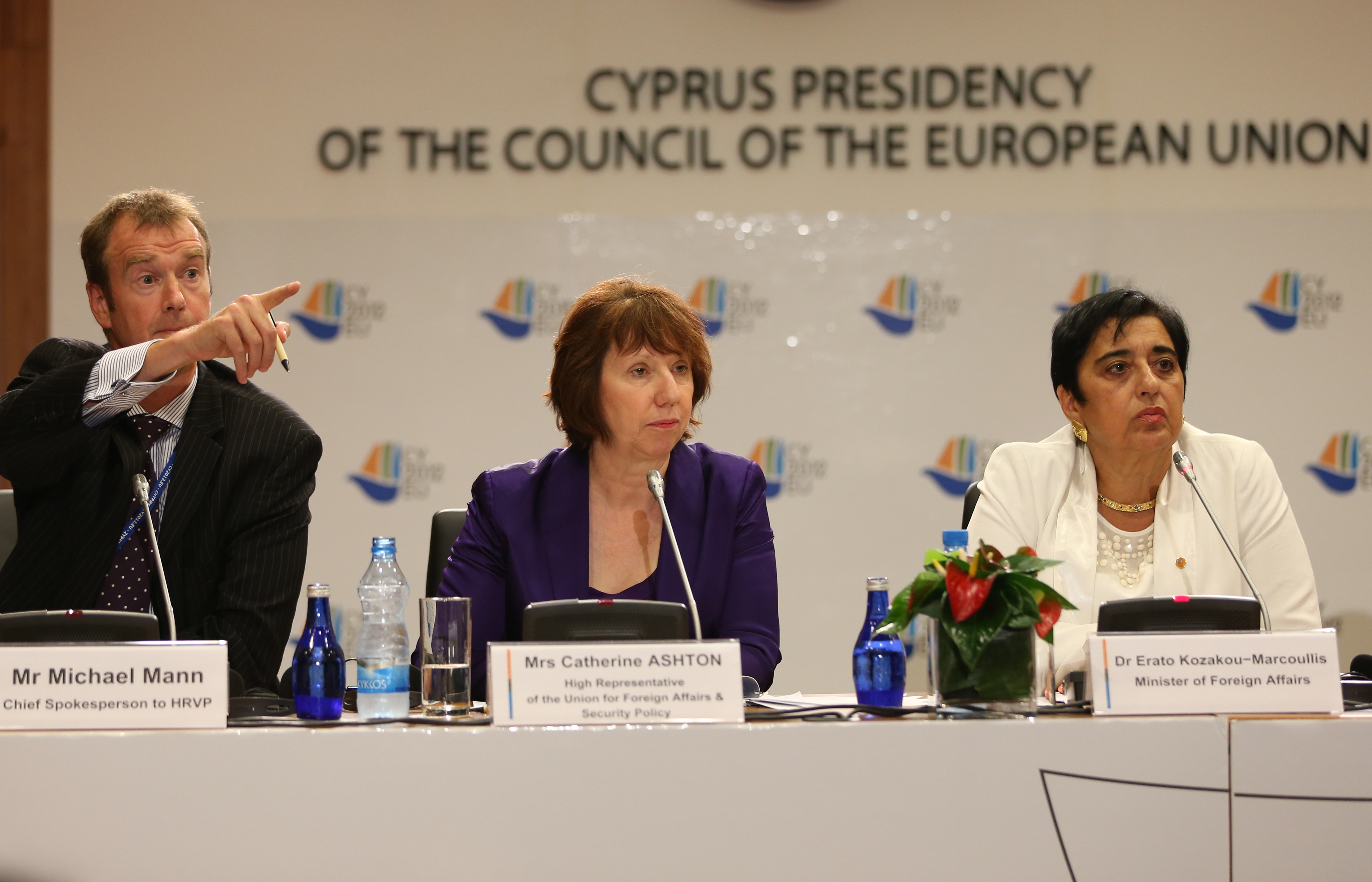
"I would describe diplomacy more as a mission, because it requires many sacrifices, especially toward family life," she says. "Twice in my career, I had to leave my family behind to fulfil my responsibilities as Ambassador. It was very difficult. You need a lot of strength, stamina, and support from your loved ones to cope with these challenges."
Being a woman, she reflects, was not an obstacle. In Washington, she was one of twelve female Ambassadors, a record number at the time that attracted considerable attention. A professor at Howard University, Marilyn Sephocle, was so struck by their presence that she published a book entitled Then, They Were Twelve: The Women of Washington's Embassy Row (2000). In her introduction, Sephocle wrote: "Perhaps the presence of these women Ambassadors is signalling a new era, that of trust in the competence of women at the highest levels in the most difficult situations."
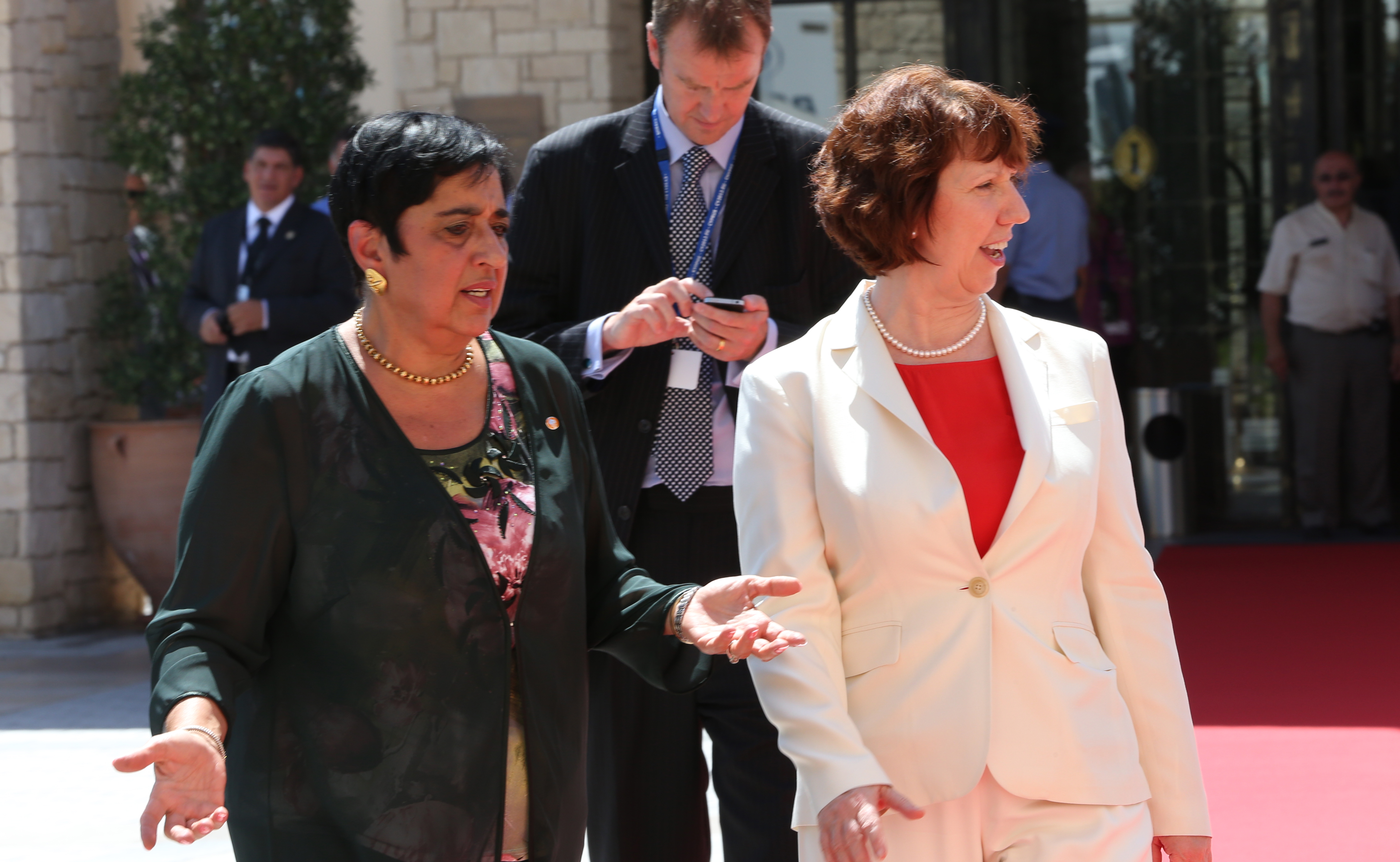
Kozakou-Markoullis's guiding principle throughout has been clear: "I represent not just a country, but an entire people."
She is direct about what still needs to change. "Cyprus, despite its 66 years of existence as a state, has not given sufficient attention to building a robust diplomatic service. Many diplomatic missions abroad consist of a single diplomat who also serves as the head of the mission, which is unacceptable and must change. The Ministry of Foreign Affairs' annual budget needs a significant increase to allow the appointment of many diplomats at all levels."
Koula Sophianou: "Diplomacy is ultimately about people"
For Koula Sophianou, currently Ambassador of the Republic of Cyprus to the People's Republic of China, diplomacy was not a career choice so much as a calling rooted in personal history.
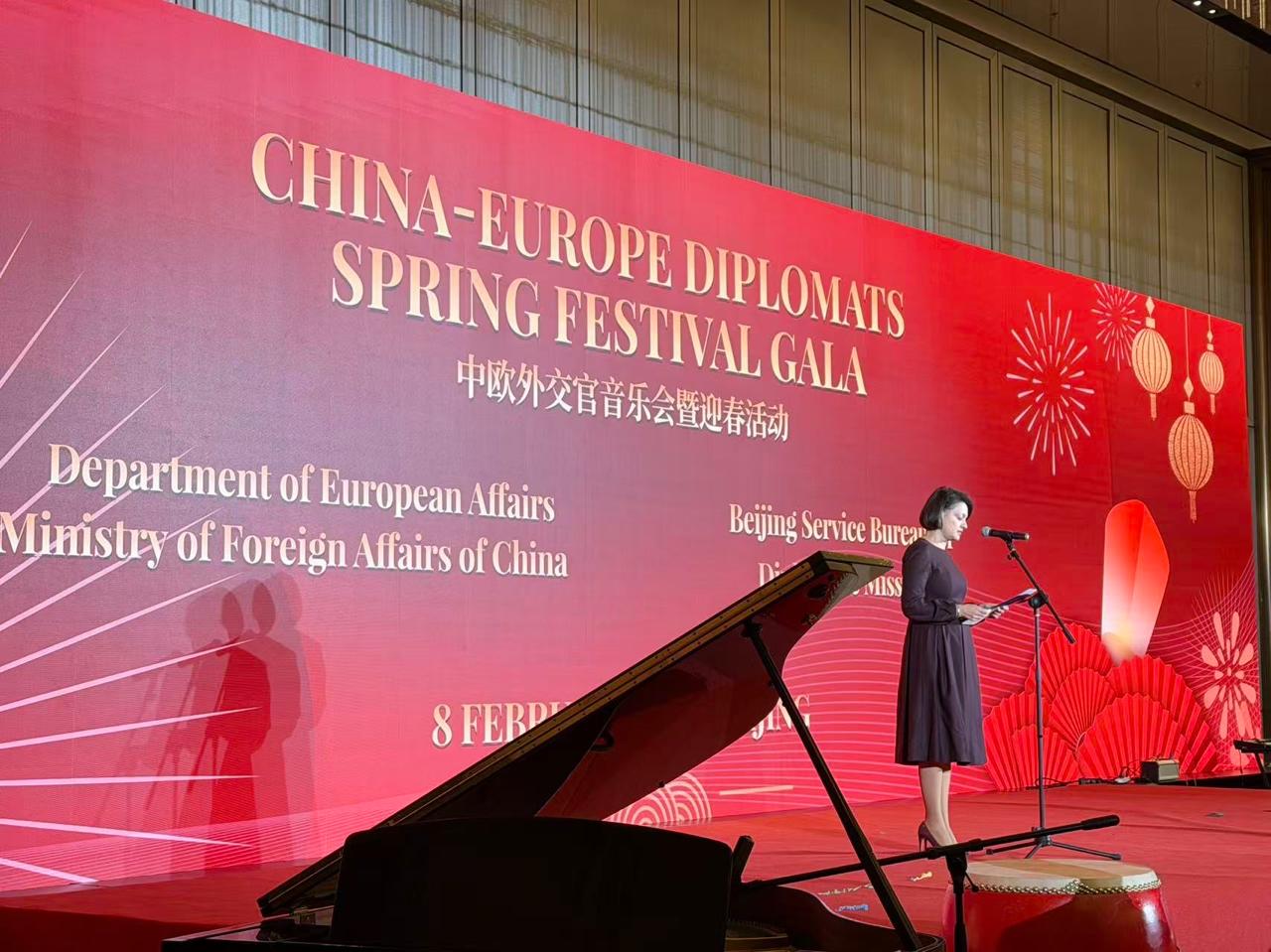
"Growing up in Cyprus in the years following the events of 1974, I became acutely aware of the world beyond our shores," she says. "At the time, we had only one television channel and, like many Cypriot families, we would gather together in the evening around the television set or around the radio to follow the news. Those moments exposed me to international developments, conflicts, humanitarian crises and the profound impact that world events can have on people's lives."
Her family's story runs deeper still. She comes from a family displaced from Famagusta by the Turkish invasion of 1974. "What has always impressed me most is the dignity with which so many carried their pain, rebuilt their lives and preserved their hope for justice, peace and reunification."
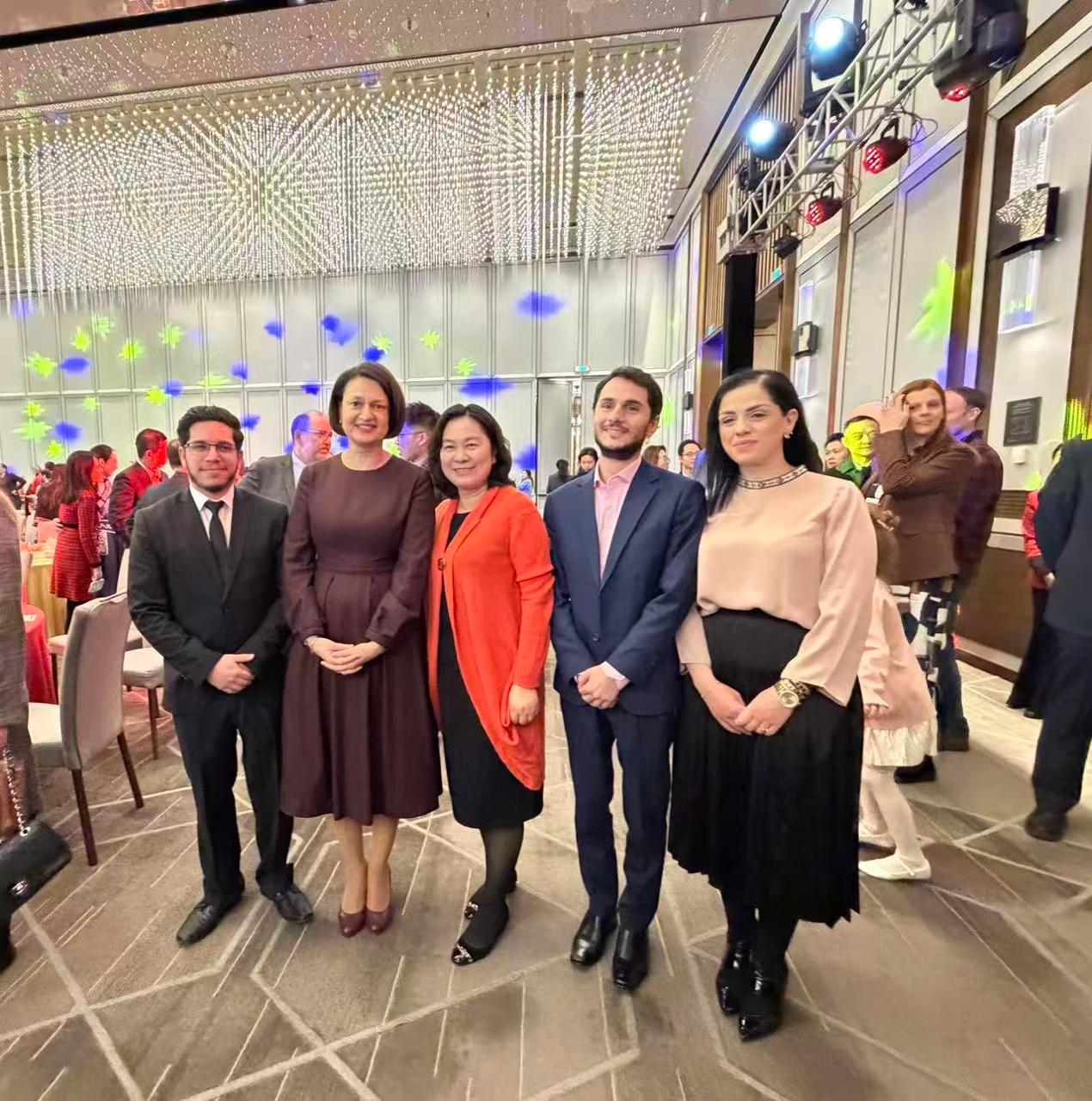
Those experiences, she says, instilled in her a conviction that has guided her ever since: "Diplomacy is ultimately about people. We strive for their security, their dignity and their right to live in conditions of peace, stability, equality and prosperity."
On the question of gender, Sophianou is measured. "Looking back, I cannot honestly say that I faced significant challenges because I was a woman choosing a diplomatic career." The challenges she encountered were of a different kind: serving in understaffed missions with limited resources, covering broad portfolios with small teams, and accepting the personal sacrifices that come with postings far from family.
Today, guiding her work in Beijing is a belief in "dialogue, stability, principles, kindness and respect of other cultures and civilisations. In an era often dominated by polarisation and confrontation, these qualities may sometimes be perceived as weaknesses. I believe, however, that they remain among the most powerful tools of diplomacy."
She closes with a message for the next generation: "I hope that more young women will see diplomacy not merely as a profession, but as an opportunity to serve, to build bridges between peoples and cultures, and to contribute to a more peaceful, just and inclusive world. It is, after all, a privilege to serve your country and your compatriots."
Clélia Chevrier Kolačko: "Feminist diplomacy is not optional"
Clélia Chevrier Kolačko, Ambassador of France to Cyprus, approaches the International Day of Women in Diplomacy through the lens of a policy she has helped shape.
"For several years now, France has been pursuing a resolutely feminist approach to diplomacy," she says. "I contributed directly to this in my previous role as Deputy Director for Global Affairs, and it is a subject close to my heart."
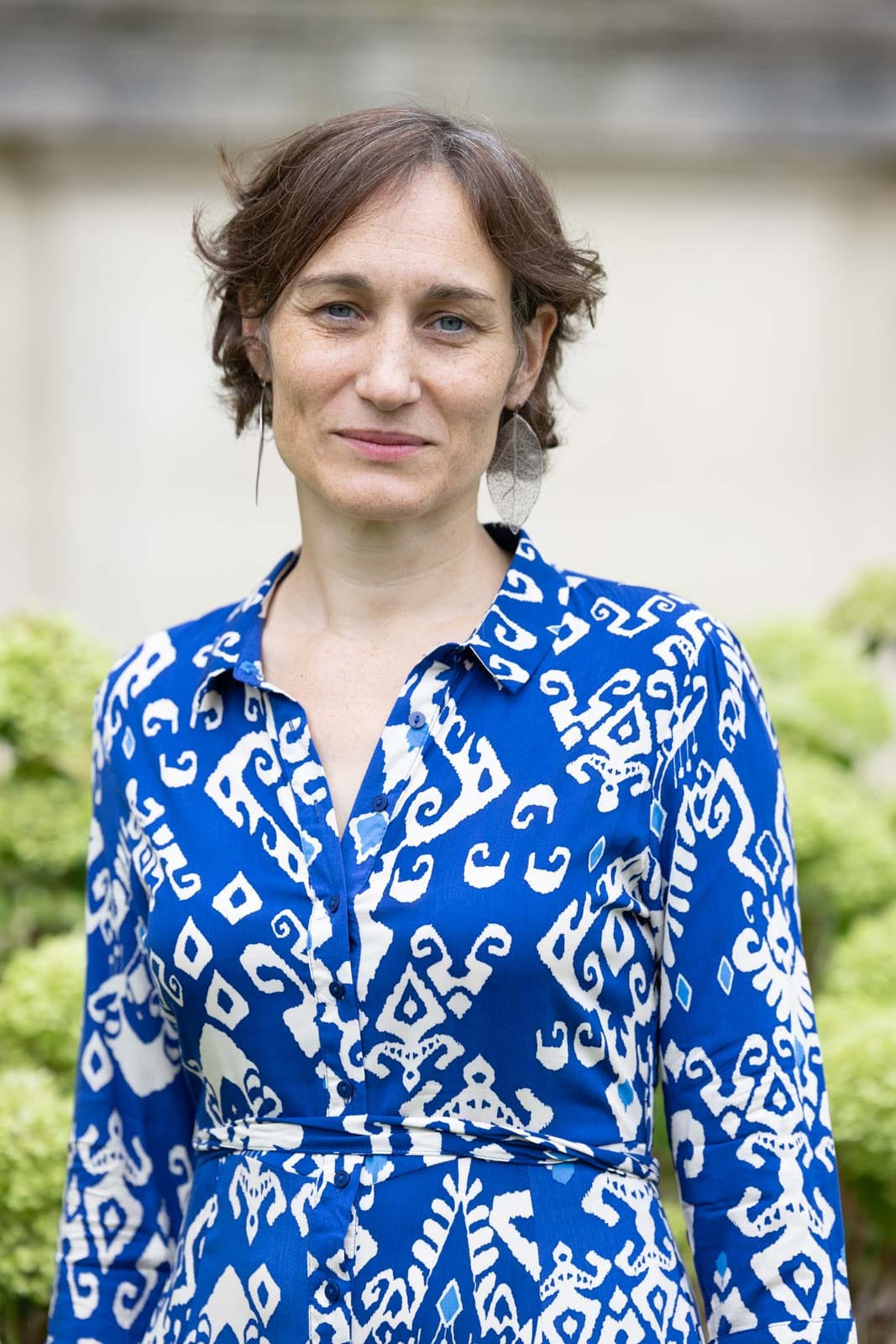
Feminist diplomacy, she explains, has both an external and an internal dimension. Externally, it means defending women's and girls' rights across all multilateral forums, from the G7 and G20 to the United Nations. "This is essential in the face of rising conservatism around the world and the erosion of these rights." It also means funding initiatives that combat gender stereotypes and violence against women, promote girls' education, and ensure female voices are present at embassy events.
Internally, it means structural change within French diplomacy itself: "Giving women their rightful place within French diplomacy, by appointing more women to posts such as consuls-general, ambassadors or directors, by combating sexism through a zero-tolerance policy, and by ensuring equal pay." She promotes this work through the civil society association Femmes et Diplomatie.
Antonella Cavallari: "Was it difficult? Yes. Was it rewarding? Very much."
Antonella Cavallari, Ambassador of Italy to Cyprus, brings nearly four decades of diplomatic experience to her reflection on the profession, and her assessment is characteristically direct.
"No regrets, no different choice should I be given the chance to go back in the past," she says. "After almost 40 years I am still deeply convinced that I have chosen the right job, the most appropriate for my character and personality."
The qualities diplomacy demands, she argues, are not gender-specific. "You need to be curious, flexible, open minded and possibly sociable to face diplomatic life without getting stressed or overtired, to enjoy rather than tolerate the continuous moving, family troubles, routine changes and, why not, also thousands of receptions not always so thrilling."
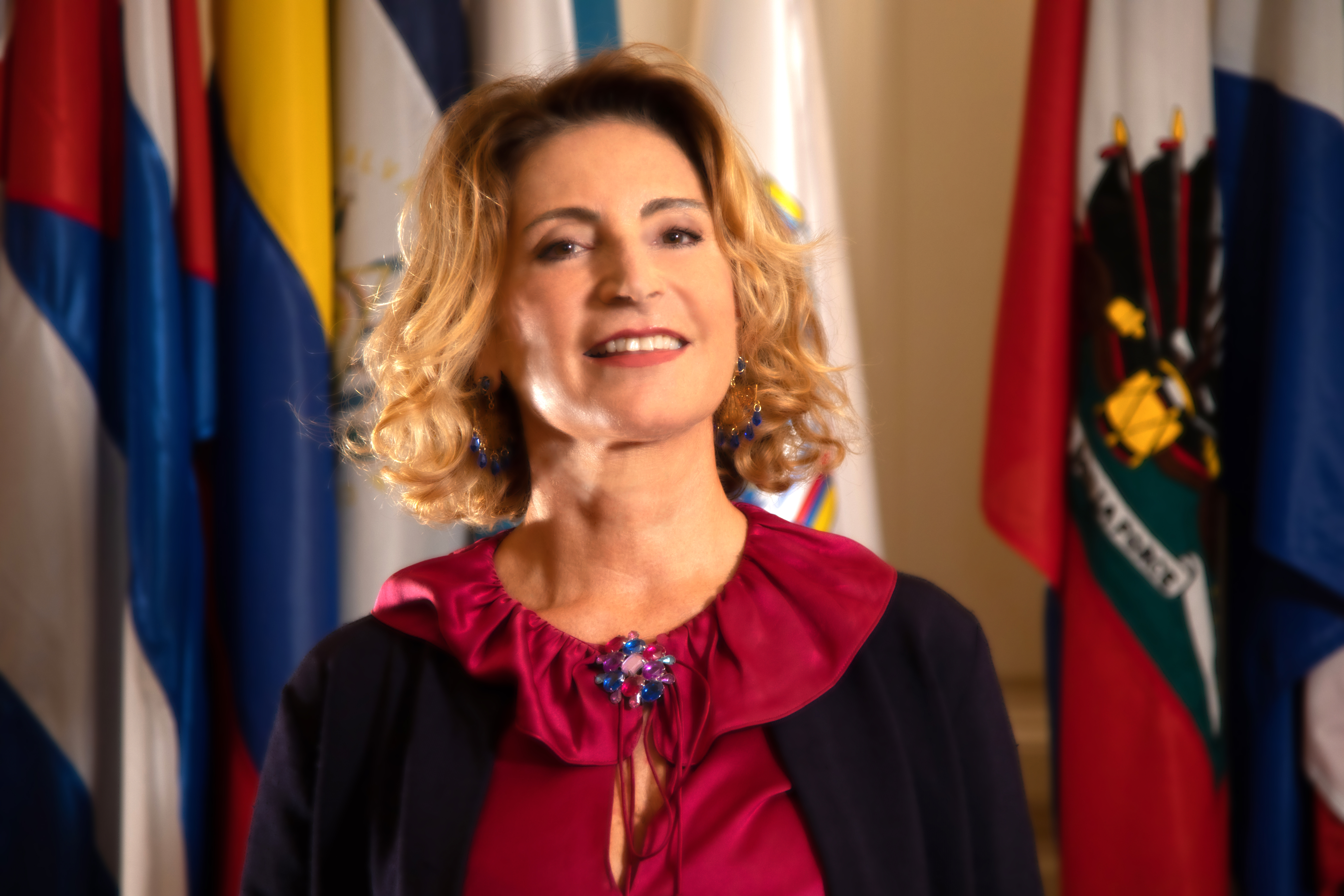
Her career has taken her from Egypt to Japan, Brazil, Paraguay, and Cyprus twice, once as the spouse of an Ambassador and now as Ambassador herself. Her husband is also a diplomat. "I can't see many differences in the challenges we faced. I may see differences in our way of interpreting our profession, though this is related to personality more than to the gender itself."
On the question of the gender gap, she is precise: "Being a woman didn't cause me specific problems. I do believe that nowadays the gender gap is essentially about the number of women in the service, still lower than that of our male colleagues."
She ends on a note of quiet satisfaction: "I approach the end of my term with a sense of satisfaction for what I have done and gratitude towards all those who helped me realising my goals. I can only wish many more women to share these feelings."