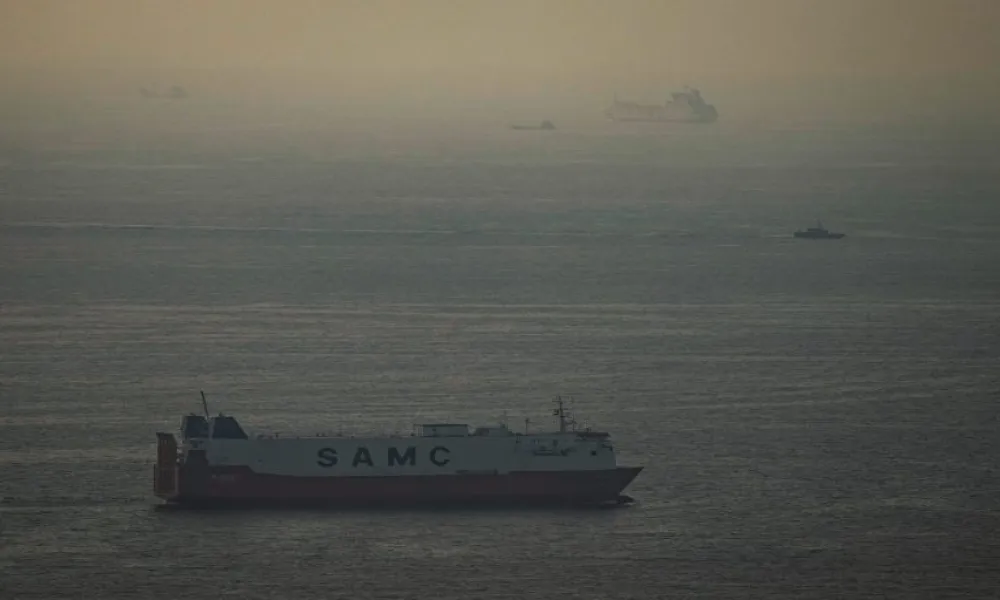
The United States is pushing to form an international coalition to restore freedom of navigation in the Strait of Hormuz, according to a State Department cable seen by Reuters, as oil prices surged to their highest level in more than four years on fears of prolonged disruption to global energy supplies.
The proposed coalition
Two months after US and Israeli strikes on Iran triggered the conflict, the vital waterway remains effectively closed, cutting off roughly 20% of the world's oil and gas supplies. Brent crude topped $125 a barrel on Thursday, more than doubling since the start of the year, driving inflation and pushing pump prices to politically painful levels across the world. The proposed coalition, which Washington has dubbed the "Maritime Freedom Construct", would share intelligence, coordinate diplomatically and help enforce sanctions. France, Britain and other countries have held talks on contributing but have said they are only willing to participate after hostilities cease.
With diplomacy at an impasse, President Donald Trump is due to receive a briefing on Thursday on plans for a fresh series of military strikes against Iran in hopes of pushing Tehran back to the negotiating table, according to a report by Axios. Trump held talks earlier this week with oil executives, discussing steps to sustain the current blockade of Iran-linked vessels for months while minimising the impact on American consumers, a White House official said. On social media, Trump posted a mock-up image of himself wielding a machine-gun, captioned "No more Mr. Nice Guy", alongside the message: "They don't know how to sign a non-nuclear deal. They'd better get smart soon!"
Tehran has shown no sign of yielding. Iran's parliament speaker and chief negotiator Mohammad Baqer Qalibaf said Trump was attempting to divide Iranians and force the country into submission through the blockade, calling for national unity as "the bane of all the enemy's conspiracies." Iran's latest proposal, conveyed through Pakistani mediators, would set aside the nuclear issue entirely until the conflict is formally ended and shipping disputes resolved, a sequencing that Washington has flatly rejected, insisting the nuclear question must be addressed from the outset. Pakistan said Iran had requested until the end of the week to respond to US observations on the proposal.
The human and economic toll
The country's currency fell to a record low on Wednesday, with annual inflation running at 65.8% as of 20 April, according to the Iranian central bank. The UN human rights chief Volker Türk said at least 21 people have been executed since the start of the war and more than 4,000 arrested on national security charges. Power inside Tehran has shifted since the opening strikes killed Supreme Leader Ayatollah Ali Khamenei and other senior figures, with hardline commanders of the Islamic Revolutionary Guard Corps now effectively driving strategy, according to Iranian officials and analysts.
The war is also taking a domestic toll on Trump. His approval rating has fallen to the lowest point of his current term, a Reuters/Ipsos poll showed, as Americans grapple with surging fuel costs and a conflict for which the administration has offered shifting rationales. The US military has spent $25 billion on the war so far, a senior Pentagon official told Congress this week in the first official cost estimate, equivalent to the entire annual budget of NASA.
Source: Reuters