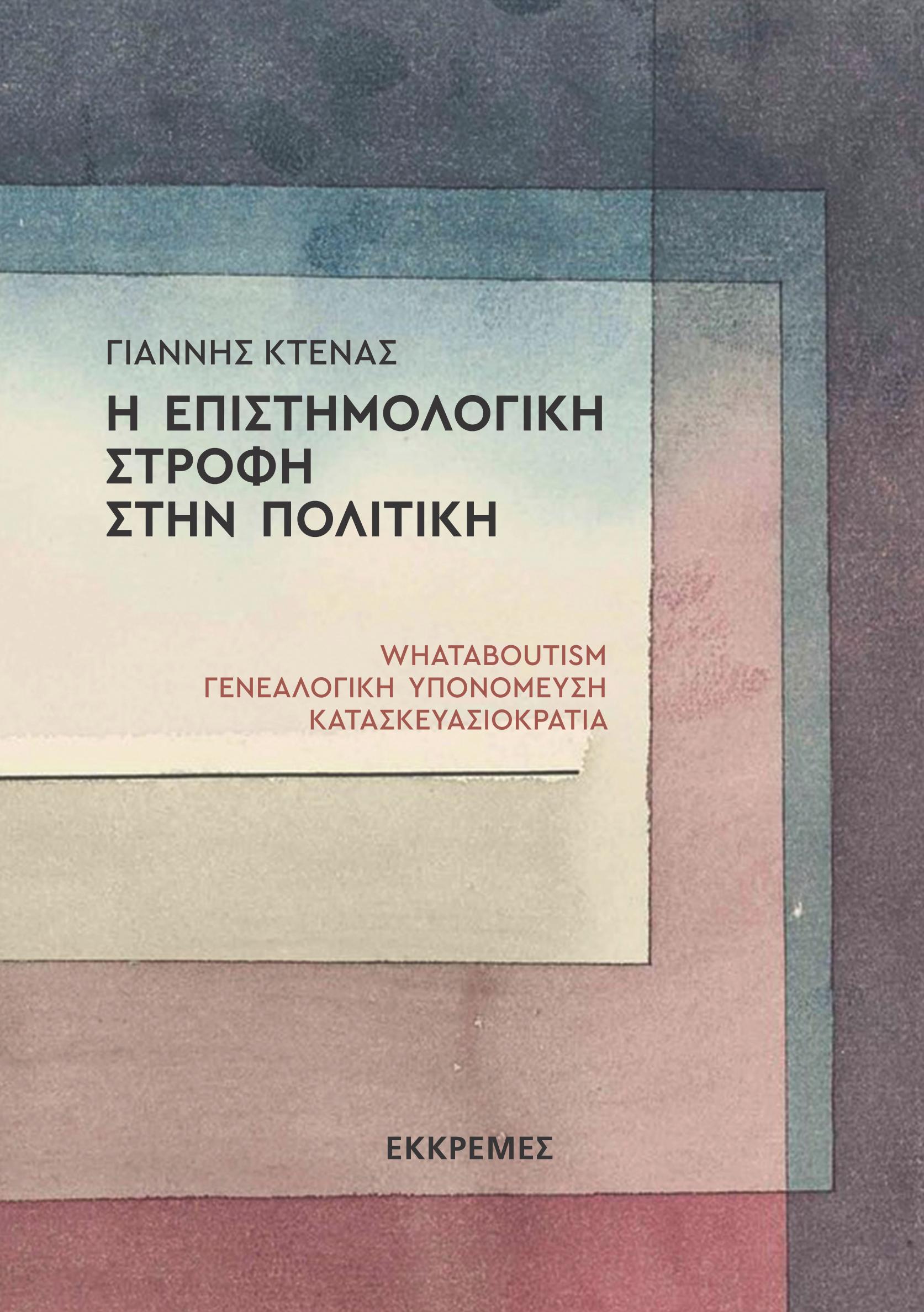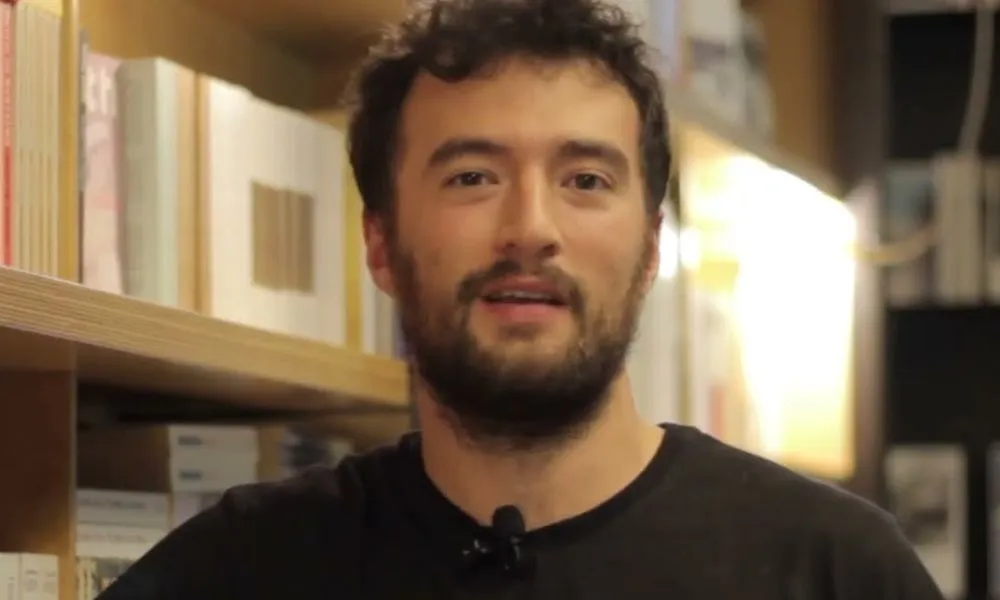
The book, written by Giannis Ktenas with a PhD in political philosophy and social theory from Panteion University, places this development in a contemporary context, noting how strongly it has emerged in recent years, particularly during the Covid‑19 pandemic. It asks a central question: where does the boundary lie between politics and science – and does such a boundary still hold?
Mapping three key phenomena
Ktenas focuses on three widely observed patterns in today’s public debates. The first is whataboutism – the rhetorical deflection captured in the familiar response “yes, but what about…?" which shifts attention away from the original argument rather than engaging with it directly.
The second is what he terms genealogical undermining: the idea that identifying the social or political origins of a claim is sufficient to discredit it. In this framework, arguments are challenged less on their merits than on the conditions that produced them.
The third concept, constructivism, refers to the belief that reality and knowledge are socially constructed. While influential in contemporary thought, Ktenas suggests that its broader diffusion into public discourse may contribute to the relativisation of truth.
A shifting public sphere
Drawing on examples from both everyday life and current political developments, the book explores how these tendencies shape contemporary debates. From media narratives and coordinated communication strategies to international politics and discussions around climate change or gender theory, the authority of science and the meaning of truth appear increasingly contested.
The result, as Ktenas argues, is a public sphere in which critical thinking is under pressure. Scientific claims are often reframed as political positions, while political arguments borrow the language of epistemology to gain legitimacy.
A call for reflection
The Epistemological Turn in Politics does not treat these developments as abstract concerns. Instead, it maps a fluid and often unstable landscape, where the distinction between knowledge and belief becomes harder to sustain.
By analysing the mechanisms behind this shift, the book invites readers to reconsider how truth is constructed, communicated and challenged in contemporary societies.