
by Nikos Mesaritis
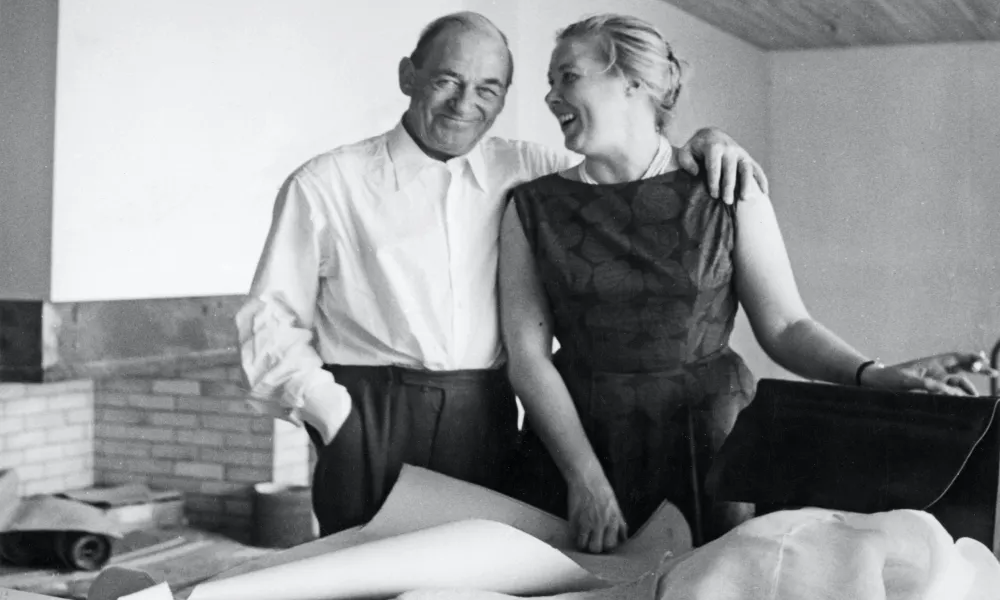
In the history of architecture, few creators managed to combine logic with emotion as harmoniously as Alvar Aalto. He was one of the great protagonists of the Modern Movement, but he was never a dogmatic modernist. On the contrary, he devoted his entire professional life to proving that modern architecture can be simultaneously functional, human and deeply connected to nature.
A childhood shaped by nature
Born in 1898 in Finland, Aalto grew up in a country where forests, lakes and intense seasonal changes defined daily life. This relationship with the natural environment was not merely a personal experience; it became the foundation of his architectural thinking.
At a time when the Modern Movement was spreading across Europe, many architects believed that technology and industrial production could offer universal solutions for every place and every society. Aalto shared the belief in progress but disagreed with the idea that buildings should be treated as machines. For him, architecture had first to serve the human being.
Architecture as care
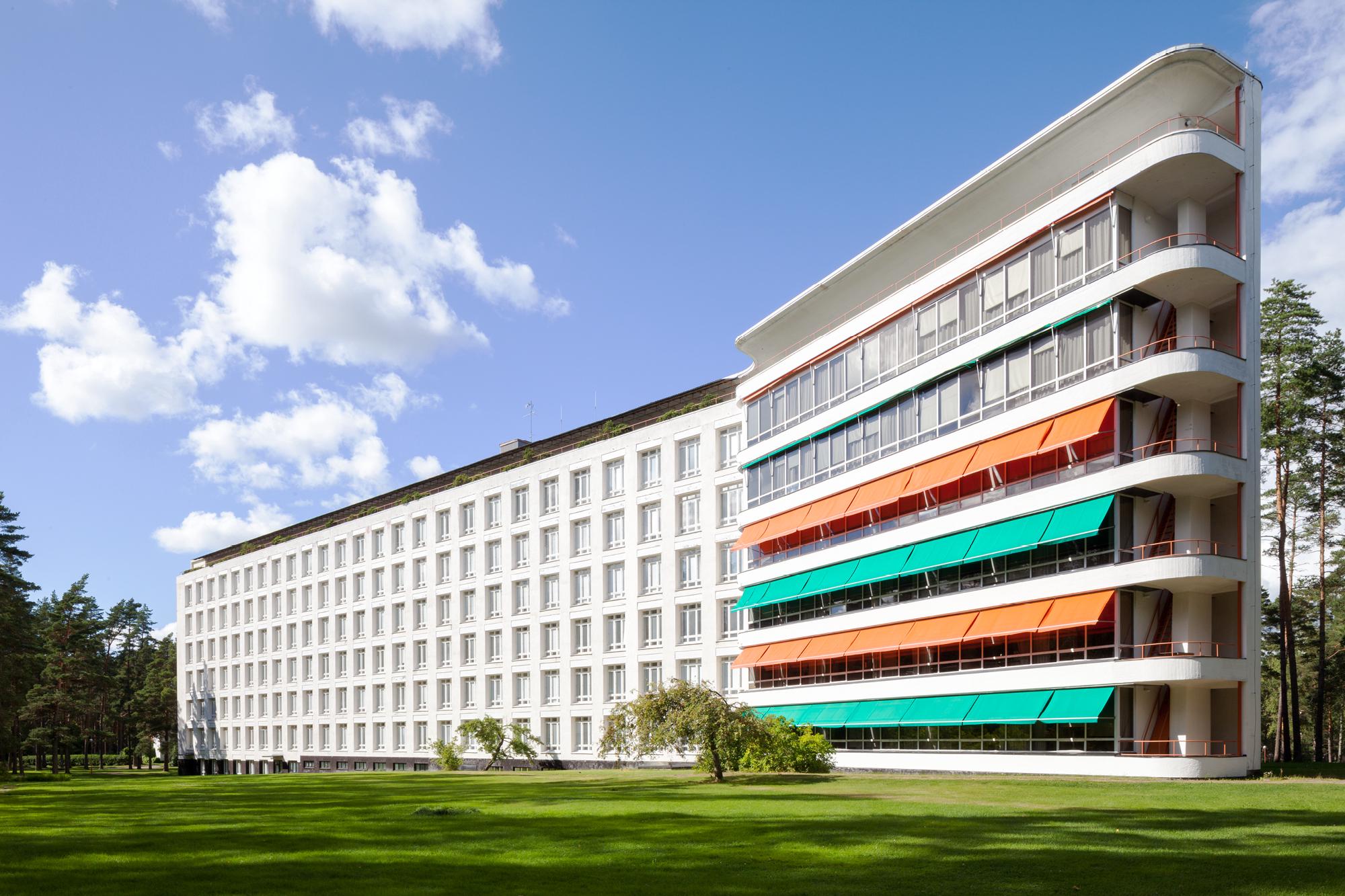
This conception found striking expression in the famous Paimio Sanatorium, completed in 1933. The building was designed as a therapeutic environment for tuberculosis patients. Aalto did not confine himself to the building's form. He studied the light, the colours, the ventilation, even the viewing angle of patients lying in their beds. For the first time, architecture was treated as a means of care and wellbeing.
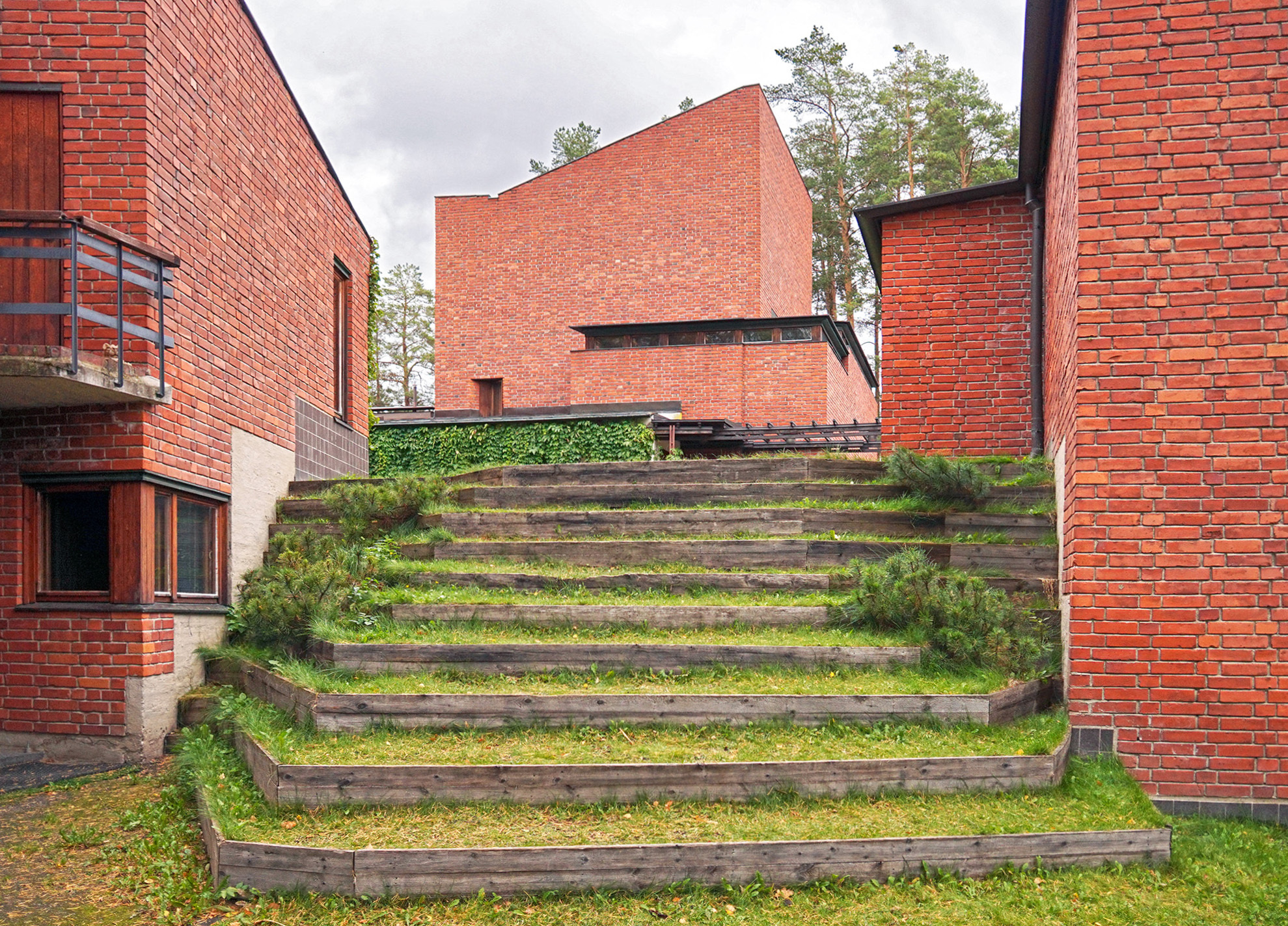
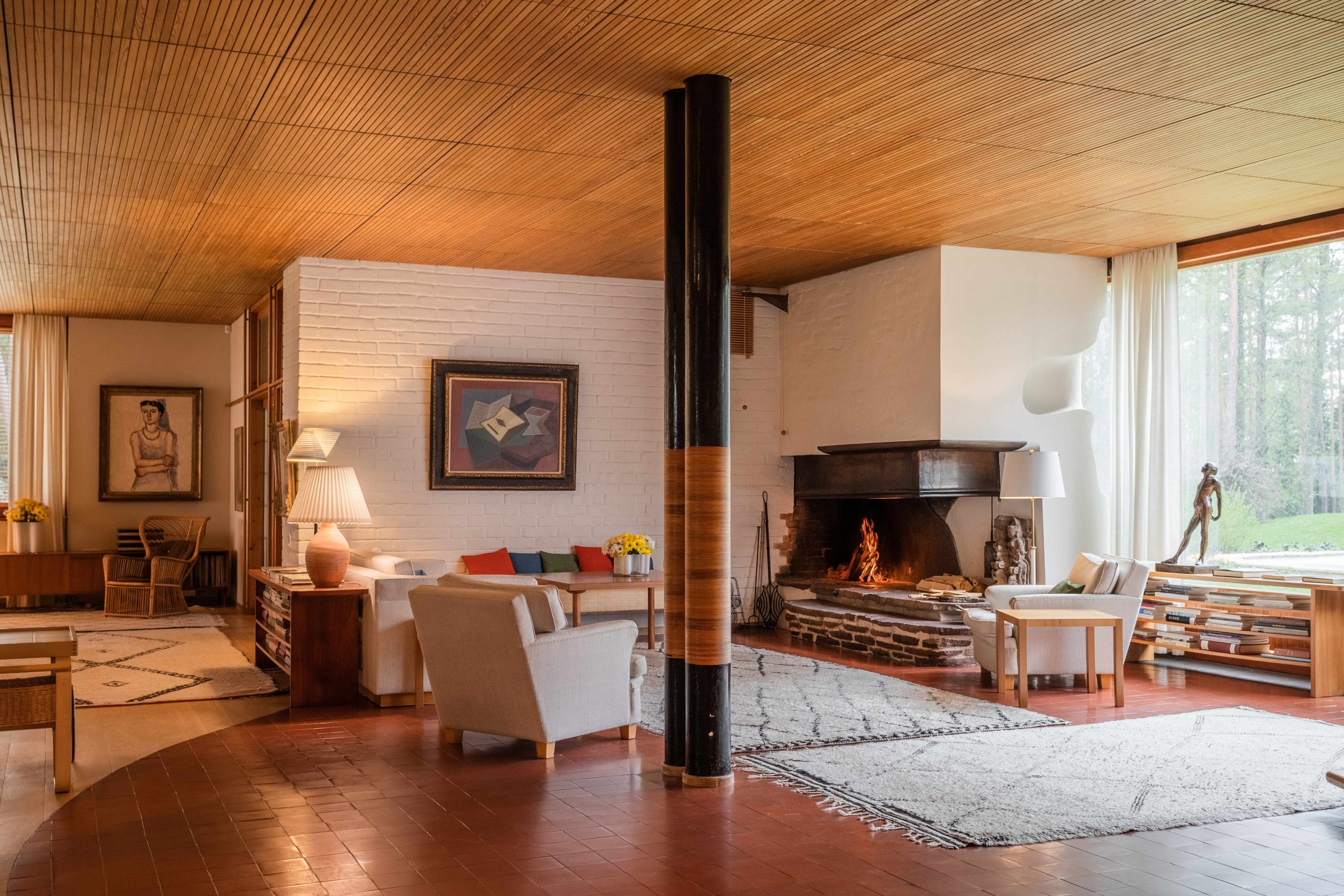
The same philosophy characterises the celebrated Villa Mairea, considered one of the most important residential works of the 20th century. There, modernism acquires warmth, naturalness and human scale. Wood, stone and natural light combine in a way that creates a sense of intimacy, without losing the clarity of modern composition.
Nature as a design partner
This is precisely what set Aalto apart from many of his contemporaries. He did not regard nature as architecture's adversary, nor the building as an isolated object. The building formed part of a wider environment. The trees, the water, the contours of the land and the movement of the sun were equally important elements of the design. His approach proved profoundly influential.
Today, in an era when sustainability and environmental sensitivity are central concerns of architecture, many of his ideas seem more contemporary than ever.
Beyond buildings
His contribution was not confined to buildings. Aalto also designed furniture, lighting and objects of everyday use that remain in production to this day. He believed that the quality of the built environment depends not only on great works but also on the small details of daily life.
This holistic conception of architecture is perhaps his most important legacy. The architect does not simply design a building's shell. He designs the framework within which human experience unfolds.
A rare timelessness
His influence has been enormous across the world. Many later architects saw in his work an alternative path to strict functionalism. Without rejecting the principles of modernism, Aalto proved that technology can coexist with nature, logic with emotion and function with poetry.
Perhaps this is why his work retains a rare timelessness. His buildings do not impress with aggressive gestures or spectacular forms. They win the visitor gradually, through the quality of the spaces, the relationship with light and a deep understanding of human needs.
In our era, when architecture is often turned into a vehicle of display and image, Aalto reminds us of a different truth: that the most important measure of a building is not how impressive it looks from afar but how a person feels living within it.
This is perhaps his greatest contribution. He did not treat architecture as an exercise in form. He treated it as an act of culture. And through this stance he proved that the true presence of the modern lies not only in technology or innovation. It lies in the ability to create spaces that serve people without being cut off from nature and place.
Alvar Aalto was not simply a great modernist. He was the architect who gave a human soul to the Modern Movement. At the close of the modernism trilogy, it bears repeating as a necessary reminder: "Knowledge of the basic principles of architecture helps people express their needs better, evaluate better the proposals they receive from their architects and ultimately create spaces that truly serve their lives. Good spaces are not the result of chance."
Nikos Mesaritis is a former president of ETEK