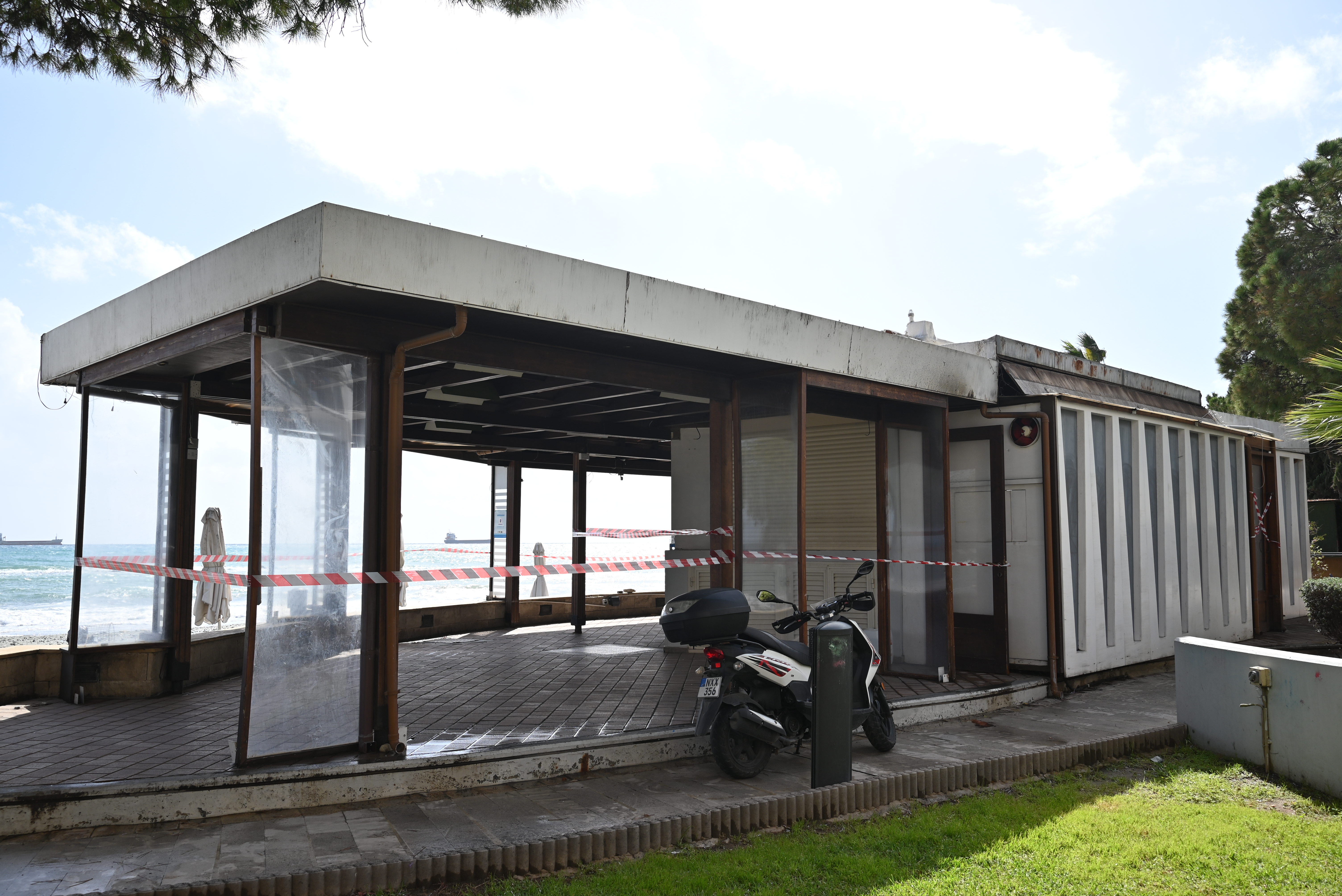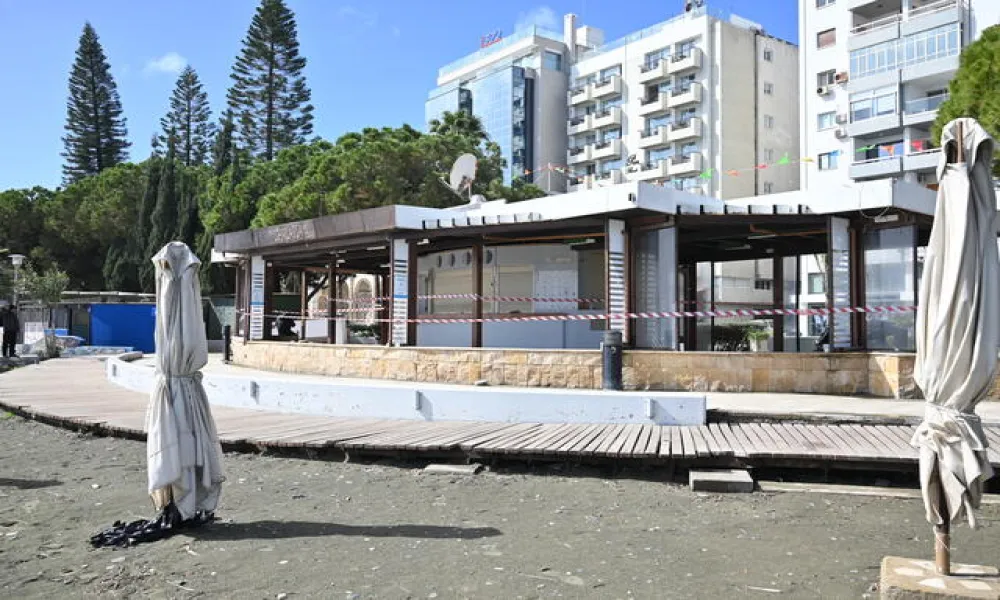
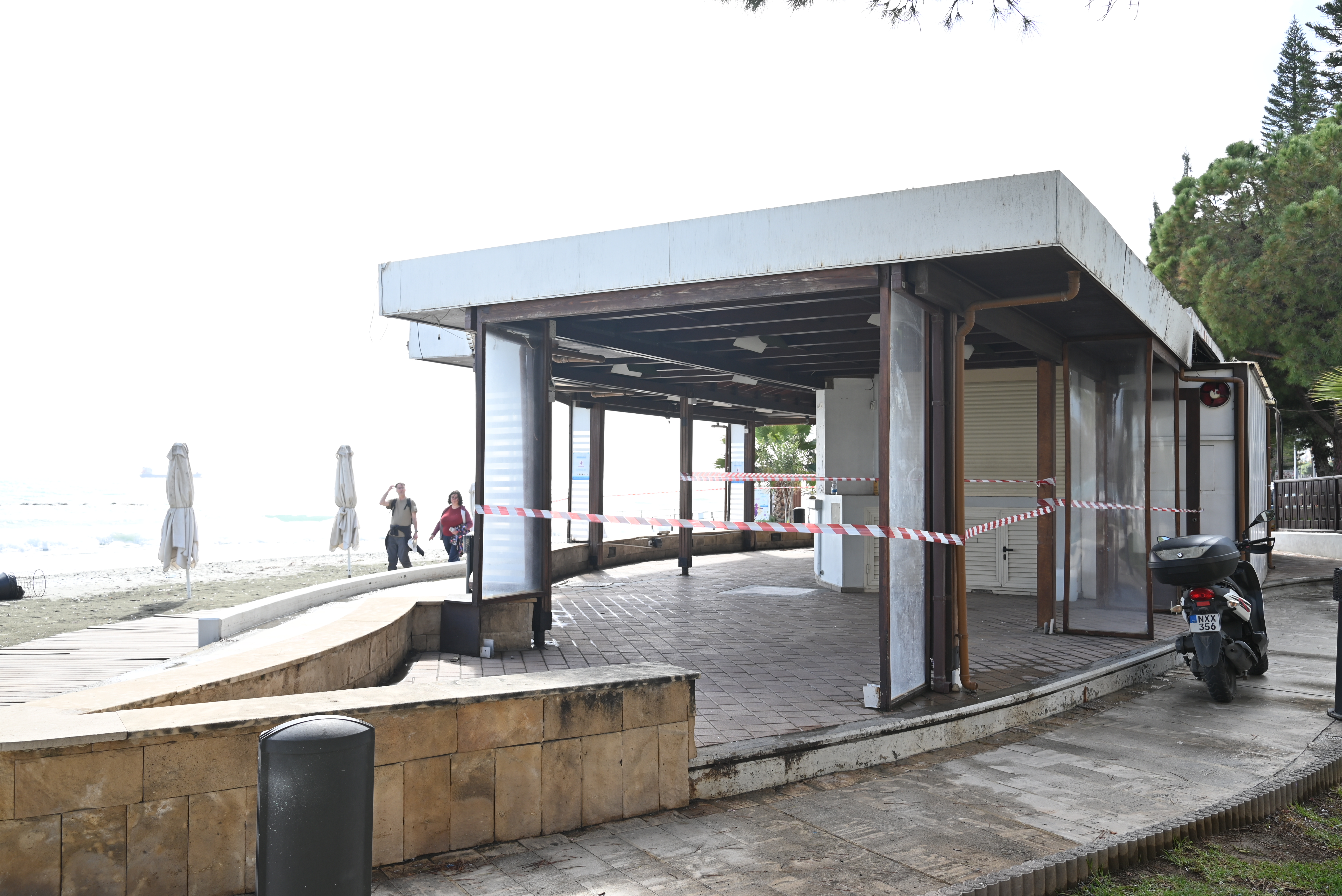
One of Limassol’s most recognisable seaside cafés has closed its doors, marking the end of a two-decade presence on the city’s coastal front. “Thalassaki,” located on Akti Olympion, has ceased operations after a court decision upheld the rights of the Limassol Municipality, which owns the premises.
The space is now set to return formally to municipal control, with authorities preparing to launch a new public tender for new management.
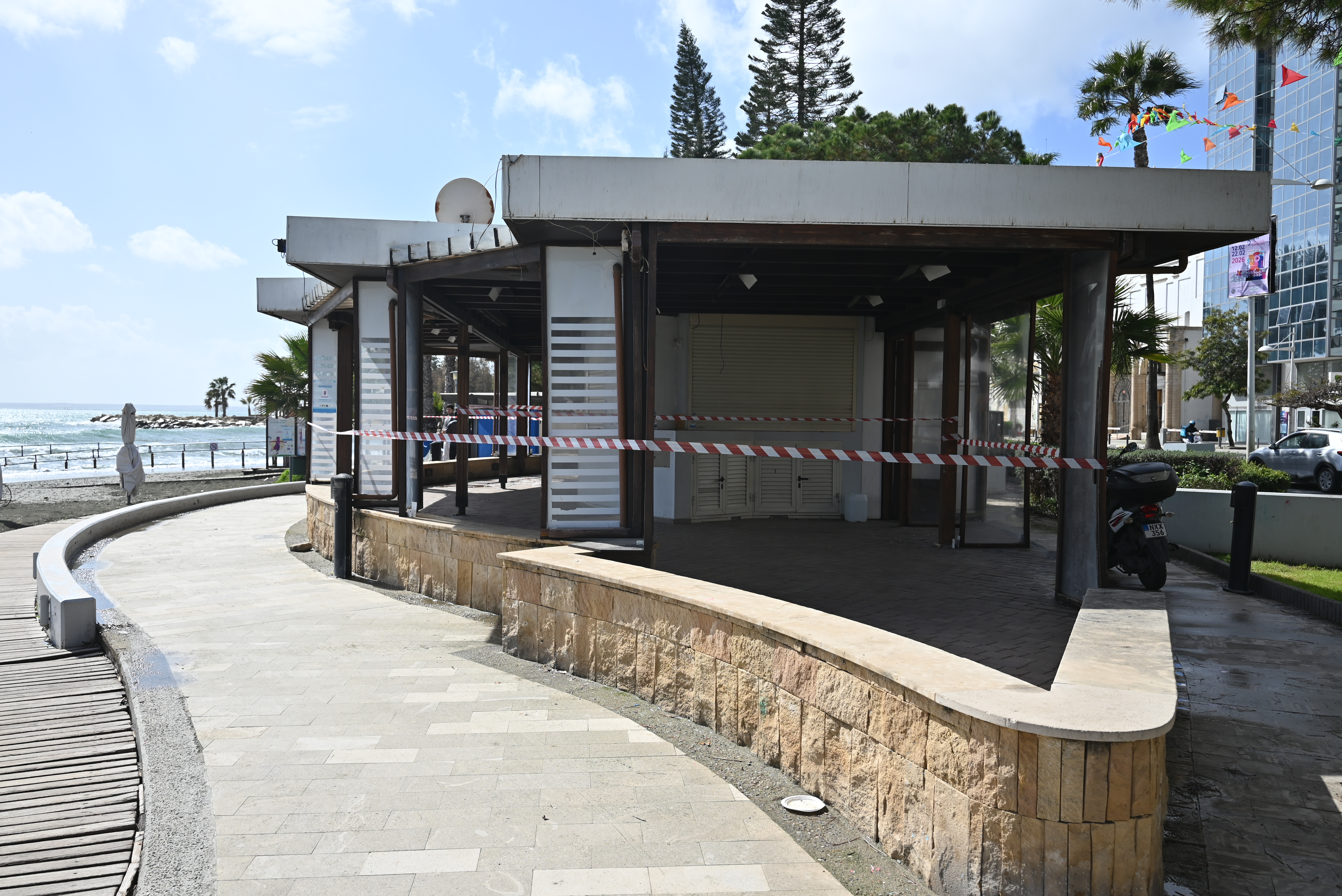
A landmark of the new seafront era
Thalassaki first opened in 2005, shortly after the redevelopment of Akti Olympion, becoming the first café to operate along the upgraded beachfront. Over the years, it evolved into a popular meeting point, particularly valued for its direct proximity to the sea and its accessible pricing.
Monday marked the café’s final day of operation. The outgoing managers have already vacated the premises and are preparing to hand the space back to the municipality.
The development has prompted disappointment among regular patrons, especially winter swimmers who had made it their gathering point. Many have noted that Thalassaki remained one of the few affordable cafés on the seafront, retaining what they describe as a more accessible character at a time when prices in the area have steadily risen.
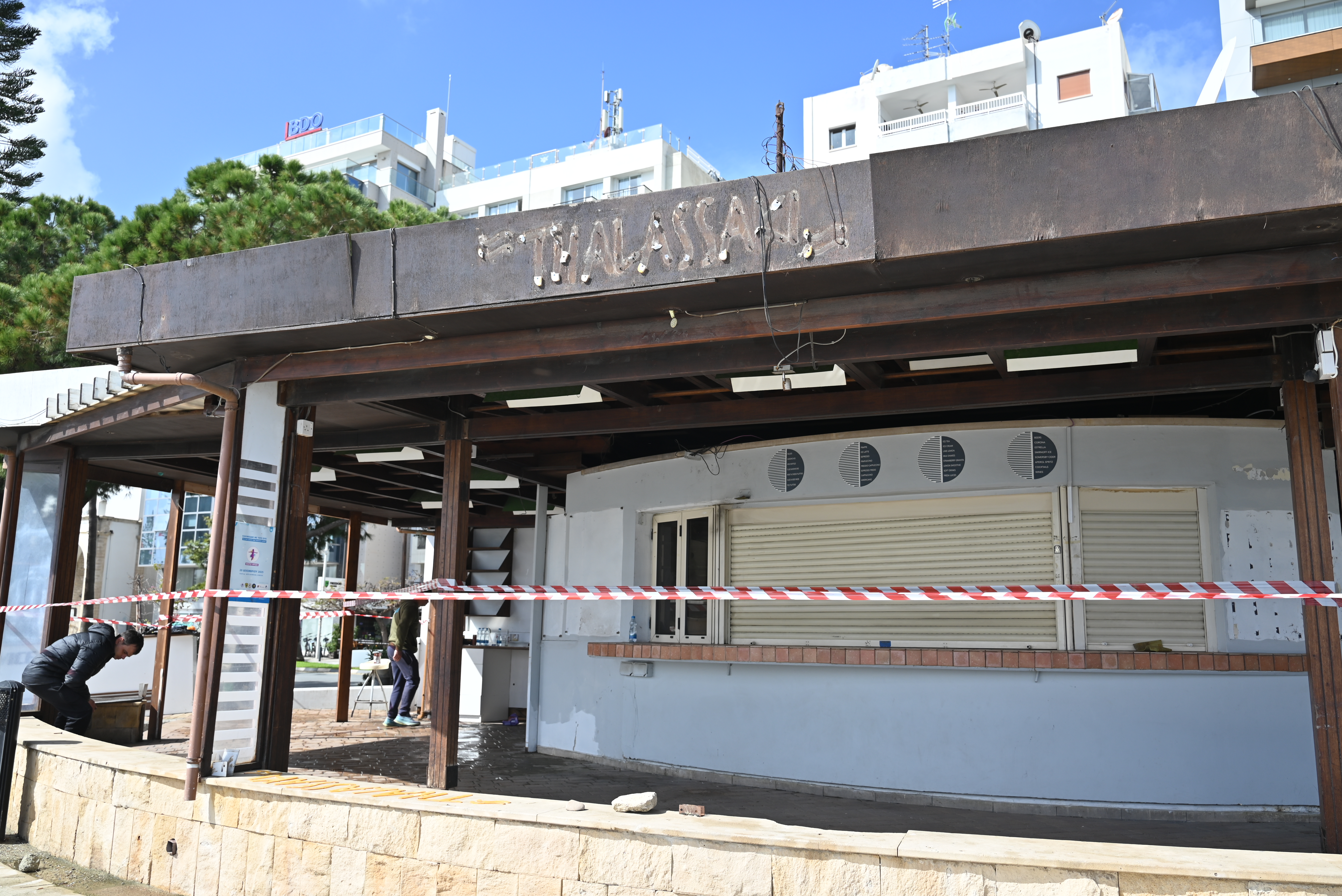
Municipality to reassess and retender
According to information obtained by Politis, the Limassol Municipality is currently evaluating the site with the aim of issuing a new call for tenders in the near future and reopening the café under new management.
There is reportedly consideration to include specific terms in the tender documents regulating the pricing of certain basic items, such as coffee and bottled water. Municipal officials believe that a new lease agreement could significantly increase municipal revenues, as the revised rental value is expected to reflect the commercial importance of the location, which is one of the most prominent municipal properties along the seafront.
Long legal dispute
The closure follows a prolonged legal dispute between the municipality and the former operator, involving both possession of the property and financial disagreements.
The case was recently concluded at first instance in favour of the Limassol Municipality, with the court issuing an order requiring the operator to vacate the premises. The ruling also awarded the municipality a substantial sum in damages for lost rental income, although the former manager has indicated an intention to appeal to the Supreme Court.
The dispute traces back to the original 2005 contract, which provided for a 3+3-year agreement. Although later extended for an additional two years, the arrangement ultimately remained in effect for far longer than initially envisaged, stretching until 2026 due to a series of legal and contractual complications.
As the beachfront continues to evolve, the future of the Thalassaki site now depends on the terms and vision of the upcoming tender and on whether the next chapter will preserve the character that made it a fixture for Limassolians for two decades.