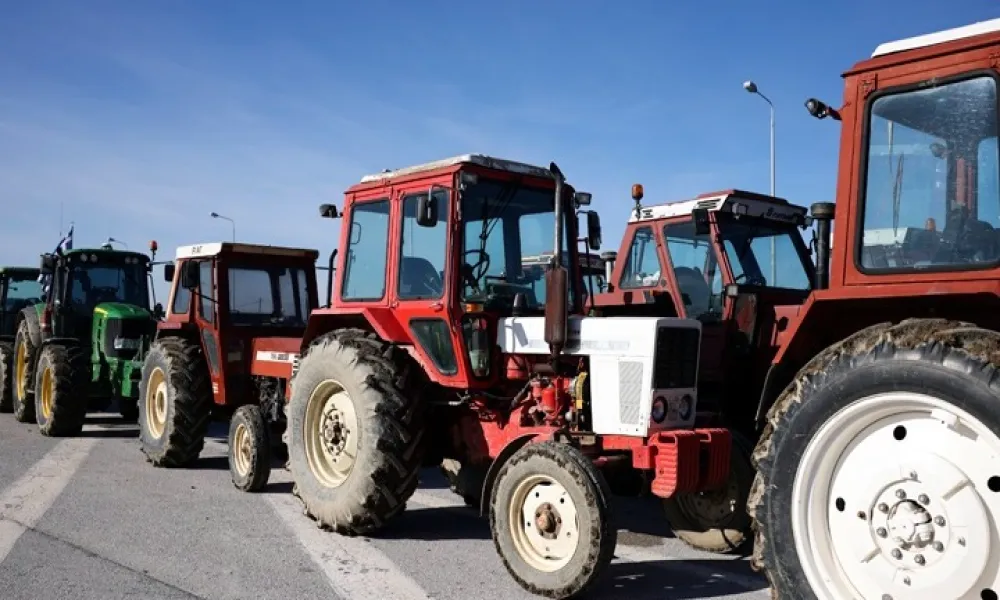
Agricultural organisations are planning a protest in Nicosia on Thursday, with police announcing traffic arrangements and security measures ahead of the demonstration.
According to a police statement, protesters from all districts are expected to gather at the parking areas of the GSP Stadium and the JUMBO store. At around 10:30 a.m., they will march towards the Presidential Palace, where they will submit a resolution, before proceeding to the House of Europe on Lord Byron Street. Demonstrators are expected to remain there until their demands are met.
During their march from the assembly points to the Presidential Palace, protesters are expected to use Iosif Hadjiiosif, Athalassas and Presidential Palace avenues. For their onward movement to the House of Europe, they are expected to proceed via Demostheni Severi and Lord Byron avenues.
Roads in central Nicosia are expected to be affected during the demonstration, while increased traffic of agricultural vehicles heading towards the capital is anticipated on intercity roads on Thursday morning.
The Police stated that they will take all necessary security and policing measures and will implement traffic regulations to ensure the smooth conduct of the protest and to facilitate the public. Police officers will also be present in the areas where the demonstration will take place, while participants have been urged to comply with police instructions.
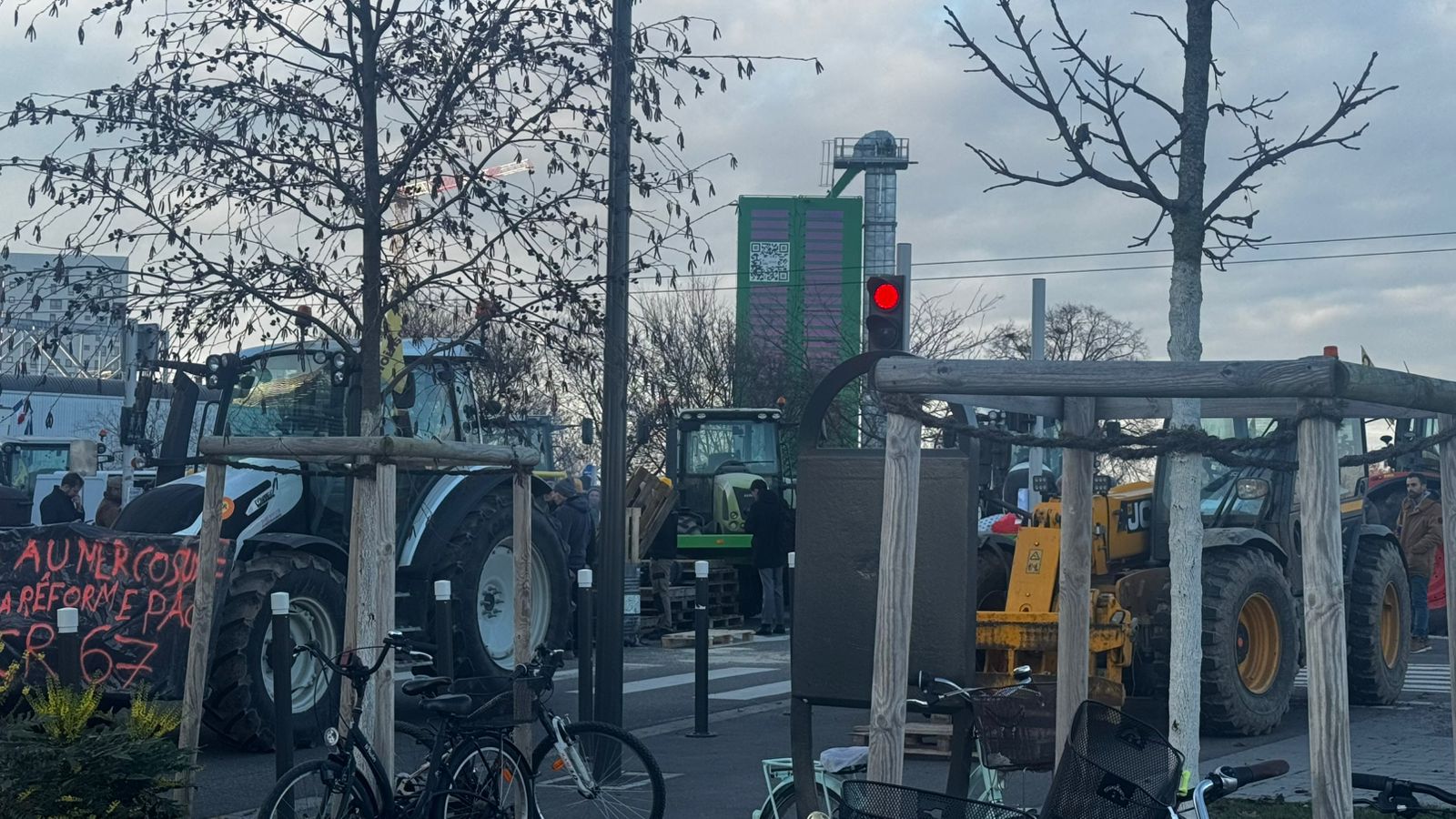
Farmers’ demands
In a joint statement, the agricultural organisations PEK, EKA, Panagrotikos, Nea Agrotiki Kinisi and Euroagrotikos said that the organised agricultural movement of Cyprus, acting in unity and in response to decisions taken by their European organisations in Brussels, COPA-COGECA, will participate in the pan-European farmers’ mobilisation on Thursday.
They noted that the main demonstration will take place in Brussels, while member states located further away, such as Cyprus, will carry out mobilisations at national level.
According to the organisations, the protest is driven by the unprecedented pressure facing the primary sector, dependence on imports, the decision to change the architecture of the Common Agricultural Policy after 2027 with a reduced budget, excessive bureaucracy, and the impact of the climate crisis. They warned that these factors are leading “inevitably to the dismantling of farming”.
The agricultural sector, they concluded, requires bold, clear and tangible solutions for fields, farms and cooperatives, including a strong and well-funded Common Agricultural Policy after 2027, fair and transparent trade rules that protect European production standards, and genuine simplification and reduction of bureaucratic procedures.