Animal smuggling across the Green Line in Cyprus is not a recent phenomenon. It has coexisted with the island’s division for more than 50 years. According to individuals familiar with the situation, the practice began around 1975, when the fragile post-war status quo took shape. Criminal networks, often with political backing, developed systems to traffic livestock through gaps in the buffer zone, building significant wealth in the process.
The animals involved were mainly sheep and goats left behind in the north by Greek Cypriot owners displaced to the south. Considered effectively stray, they were either stolen or bought at very low prices, then transported through unmonitored نقاط of the buffer zone.
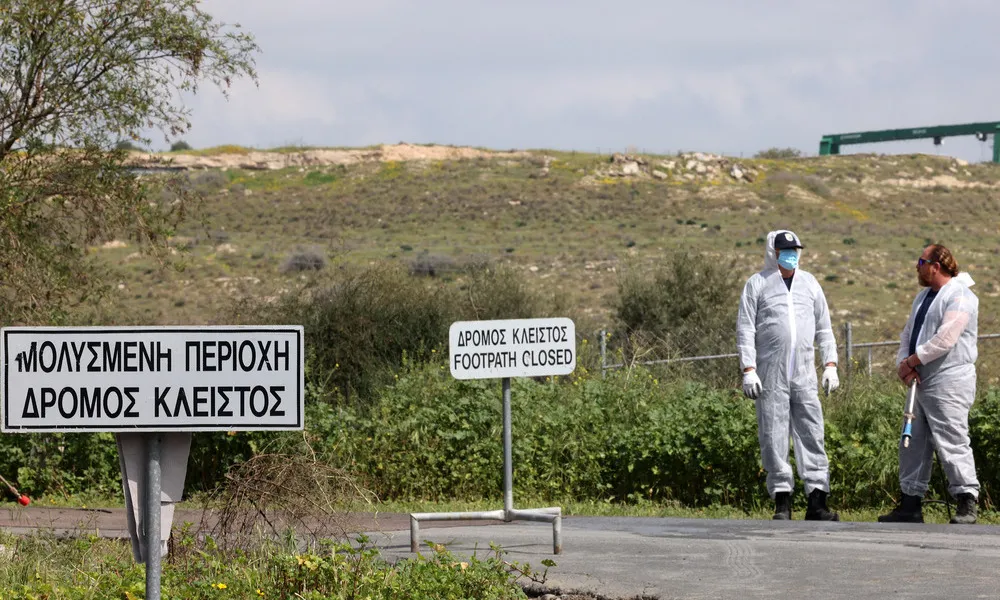
These loopholes persist today, enabling the continued smuggling of animals, feed and agricultural equipment. Experts say such activity has contributed to the spread of livestock diseases, including the current foot-and-mouth outbreak, which has been sweeping through farms in government-controlled areas for months, threatening both the agricultural sector and the halloumi industry.
Questions remain over how the trade operates today, who benefits from it and how it contributes to a partial, informal integration of the livestock market across the divide.
Cross-community networks
One unconfirmed report suggests cooperation between Greek Cypriot and Turkish Cypriot individuals who allegedly operate farms on both sides of the island. These networks may facilitate the movement of animals and supplies without adhering to health protocols, potentially aiding the spread of disease.
Similarly, veterinarians working with farmers in both communities - particularly in mixed مناطق such as Pyla and Pergamos - could unintentionally contribute to transmission if biosecurity measures are not strictly followed.
A barter-style economy
Verified information indicates strong demand for livestock in the north. Prices for animals and feed are lower in the south, largely due to inflationary pressures in the north. This has led to informal barter arrangements, where Greek Cypriot farmers move animals illegally across the buffer zone and receive farming equipment in return.
While the animals cross through illegal routes, items such as tractors and ploughs can be brought back legally under the Green Line Regulation - potentially carrying pathogens with them.
Mutual gains, shared risks
Both sides appear to benefit economically. Greek Cypriot farmers, facing limited options for selling dairy cows locally, find a market in the north. Turkish Cypriot buyers, meanwhile, meet strong demand for beef products, driven in part by dietary preferences.
However, these practices come with significant risks. With little expectation that the Turkish Cypriot side will adopt strict EU livestock protocols in upcoming technical committee meetings, the conditions enabling smuggling and disease transmission are unlikely to change soon.