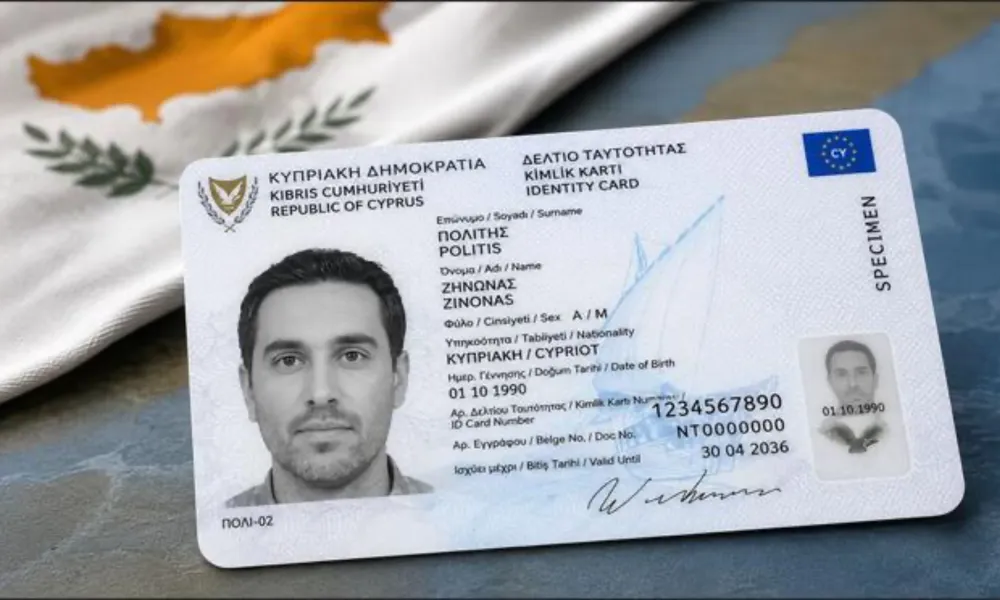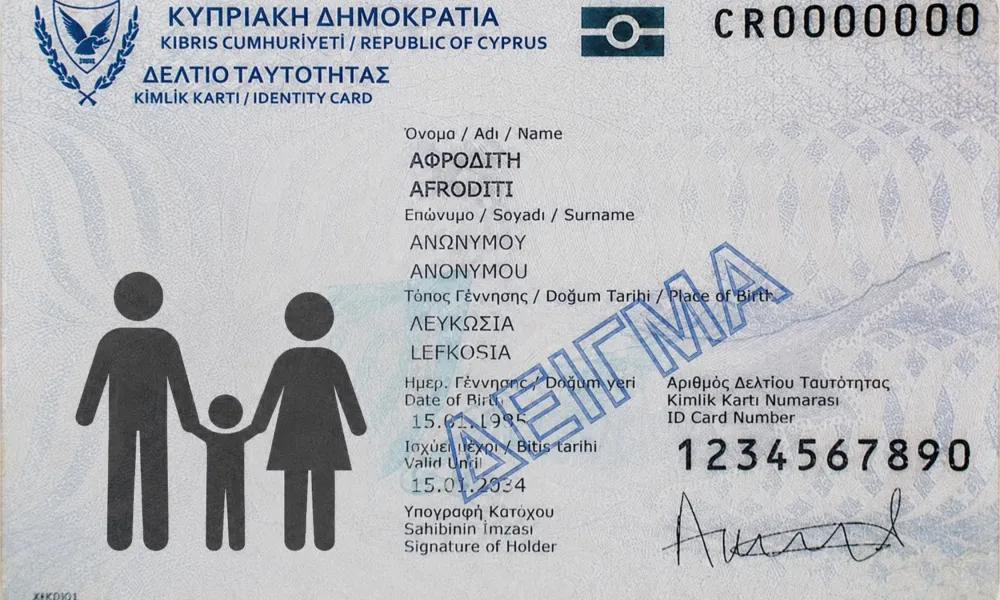

The discussion over including parents' names on children's identity cards is not simply a disagreement between tradition and modernisation. It touches on a more fundamental issue: what should an official document primarily protect, the image of the family or the child themselves?
The family is a core institution of society, and recognising the role of parents is important. However, support for the family does not depend on an entry on an identity card. It is strengthened through social policies, support for parents, the protection of children and the equal treatment of all, regardless of their family circumstances. Tradition has value when it unites people and provides security, not when it becomes an administrative practice that unnecessarily exposes sensitive personal information.
Including the name of a child's father and mother may appear harmless, or even self-evident, to the majority of people. It is not, however, equally neutral for a child of unknown paternity, a child raised in a single-parent family, a child who has lost a parent, or a child whose family history is complex and painful. In such cases, information that is not necessary for everyday identification may create awkwardness, provoke unwanted questions or contribute to stigma.
Those who support the inclusion of parents' names may argue that it confirms family ties or facilitates practical procedures. Yet kinship cannot be established by a detail printed on an identity card, particularly when adoptions, custody arrangements, court decisions or other family circumstances are involved. For such situations, there are birth certificates, civil registry records and official databases.
Parents' details already exist in civil registry records and are available to the competent authorities whenever there is lawful cause to access them. Consequently, displaying them on an identity card neither improves security nor enhances the reliability of the document. Instead, it expands the exposure of personal data without a clear need.
The principle should be straightforward: anything that appears on an official document should be absolutely necessary. An identity card should identify the child, not describe their family circumstances. A modern state does not diminish the family by avoiding this type of disclosure. Rather, it demonstrates respect for every form of family and, above all, recognises that the best interests and dignity of the child take precedence over symbolism.