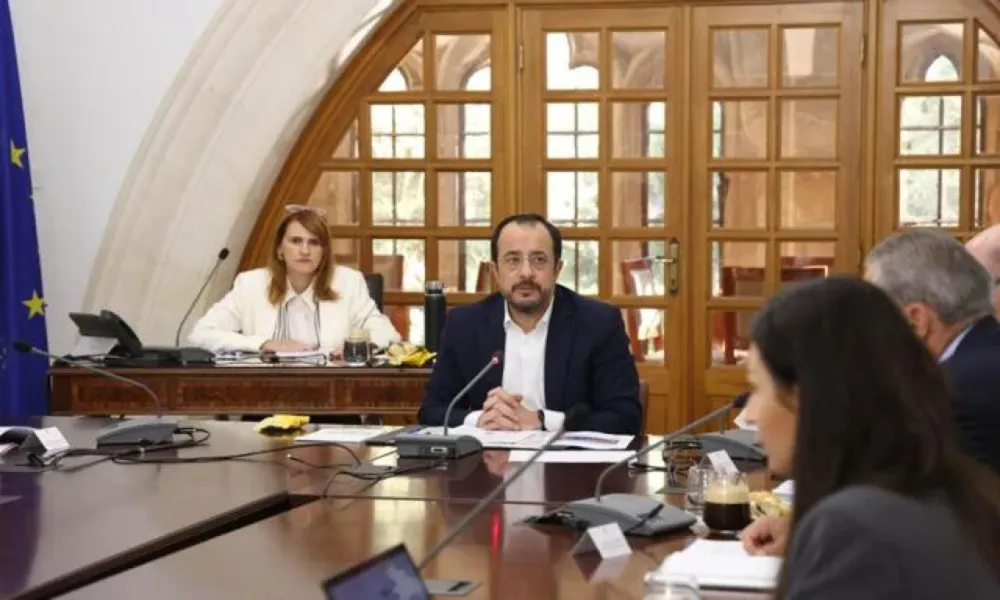

President Nikos Christodoulides' long-anticipated cabinet reshuffle is increasingly turning into a political farce, according to critics, with weeks of leaks, speculation and apparent indecision exposing weaknesses in the way the process is being handled.
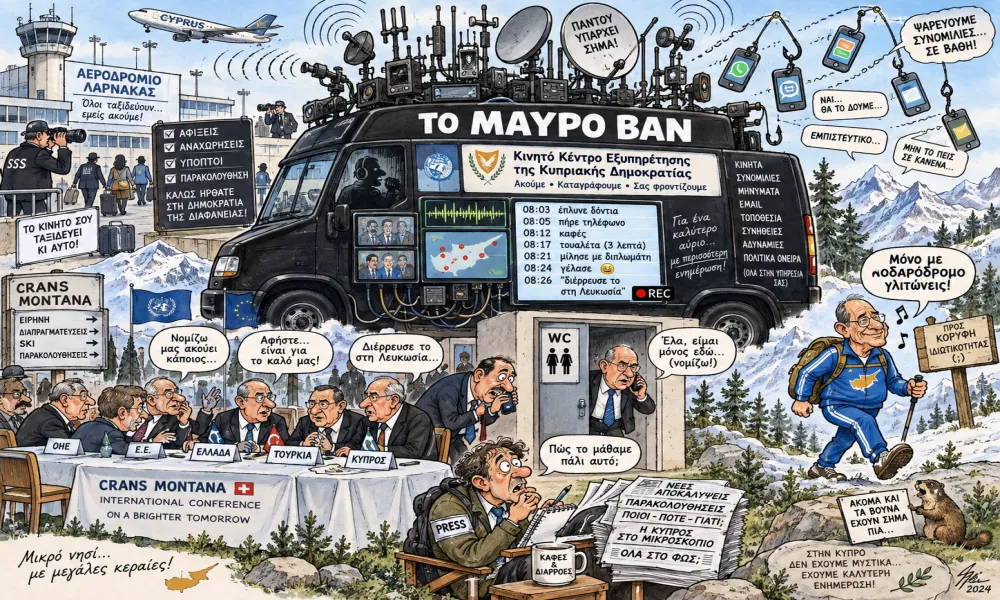
The President's management of yet another impending government reshuffle is seen as reflecting primarily on him and no one else. For weeks, he has been considering the need to refresh his Cabinet. In the meantime, leaks originating from within the Presidential Palace have identified not only possible incoming ministers but also the portfolios they are expected to receive.
At various points, these reports have been presented as virtually final decisions. Last Friday, for example, reports circulated containing lists of both those expected to be appointed and those expected to leave office.
Yet no final decisions have been taken.
At the same time, the President has been unable to convince observers that the leaks are unfounded. The result is an image of a leader who appears unable to control even his own decision-making process.
A reshuffle repeatedly presented as imminent but then postponed does not project seriousness. Instead, it creates uncertainty about the judgement and intentions of the person responsible for implementing it.
The President of the Republic appears to be struggling to make decisions on the matter. Rather than imposing his own plan, he seems trapped by the reactions generated by that very plan.
To critics, this points more towards political amateurism than a coherent strategy.
A clear political objective
The explanation, according to the analysis, lies in the President's effort to shape political alliances ahead of the 2028 presidential election.
The reshuffle is presented not as a tool for improving governance but as a mechanism for advancing future political ambitions.
Efforts to keep DIKO satisfied, build bridges with certain DISY figures and broaden his future electoral base appear to have become key factors influencing government appointments.
The problem, however, is that this political arithmetic does not appear to be working.
The balances the President is attempting to construct seem to be creating more problems than they solve.
DIKO appears to be increasing its demands for government representation. At the same time, efforts to attract figures from DISY are generating internal tensions within the party's leadership without any guarantee that they will deliver the political gains the President is seeking.
As a result, rather than emerging as the dominant figure in manoeuvring ahead of 2028, the President risks appearing dependent on the preferences of the very parties he is attempting to balance.
A striking example
The concerns become even more pronounced when examining reports about the substance of the reshuffle itself.
If current leaks prove accurate, they point to what critics describe as a troubling understanding of how key ministries should function.
The most notable example is the Ministry of Health.
According to reports circulating in recent days, another change in the ministry's political leadership is under consideration.
If confirmed, Mr Christodoulides will have appointed four different health ministers in less than three and a half years in office.
In other words, one of the government's most important ministries would be changing political leadership roughly every nine months.
A similar pattern appears to be emerging at the Deputy Ministry of Social Welfare.
If the same reports are accurate, the government will be appointing its third deputy minister in that position during the same presidential term.
The conclusion drawn by critics is therefore straightforward.
The reshuffle, in the President's thinking, appears less focused on improving the effectiveness of government and more on creating the political conditions for a successful presidential campaign in 2028.
The image being projected is that of a President who plans, leaks information, revises his plans and ultimately struggles to implement the very changes that are allowed to enter the public domain.