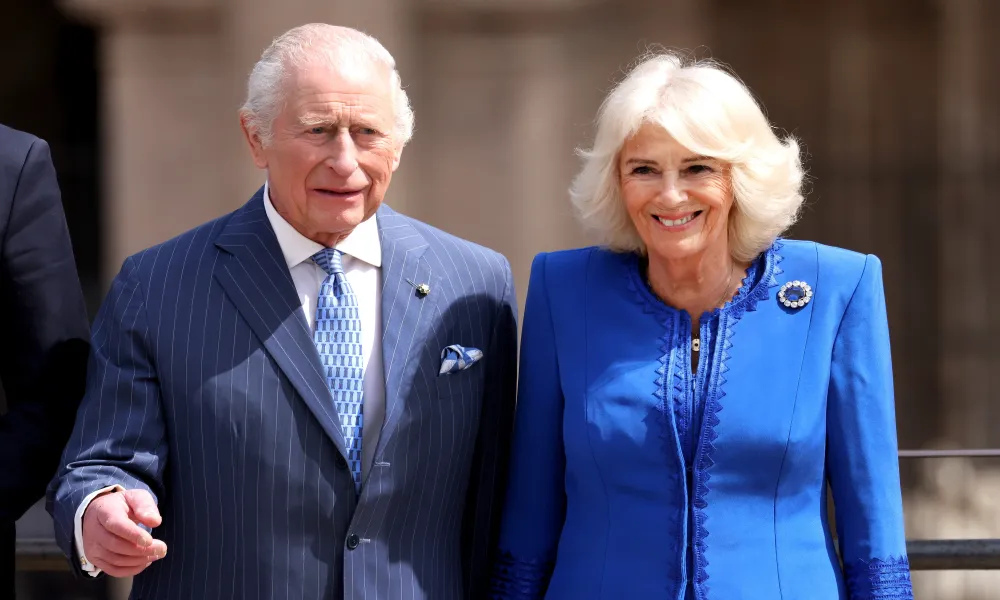

King Charles and Queen Camilla have begun a tour of the Caribbean that is expected to test Britain's relationship with its former colonies, as demands for reparations linked to slavery and colonialism continue to grow.
The royal visit, running from 27 October to 4 November, includes stops in The Bahamas, Guyana, and Antigua and Barbuda, where the Commonwealth Heads of Government Meeting (CHOGM) will take place.
The gathering of leaders from the Commonwealth's 56 member states is expected to place renewed focus on calls from Caribbean nations for Britain to take further steps to address historical injustices associated with slavery and colonial rule.
Caribbean nations push reparations agenda
The Caribbean Community (CARICOM), which includes 23 member and associate states, has made clear its intention to raise the issue of reparations during the summit.
CARICOM Secretary-General Carla Barnett has argued that the issue extends beyond financial compensation and is fundamentally about historical justice, accountability and addressing inequalities that continue to affect descendants of enslaved Africans.
According to Barnett, reparations are about both recognising past wrongs and creating the conditions for a fairer future.
Recognition without a formal apology
Despite growing pressure, King Charles is not expected to issue a formal apology for Britain's historic role in the slave trade.
According to reports, Buckingham Palace has signalled that the King will not avoid discussions related to slavery but remains aligned with the position of the British government, which opposes financial reparations.
Charles previously expressed deep personal sorrow over slavery in 2022, but stopped short of issuing an official apology.
A palace spokesperson has said the monarch has spent many years engaging with issues related to historical injustice and the ongoing impact of inequality.
Meanwhile, Commonwealth Secretary-General Shirley Botchwey has argued that the time has come for a meaningful conversation on reparatory justice, whether through financial measures or other initiatives such as the return of historical and cultural artefacts.
Asked by Sky News whether the King should apologise, she replied that such a gesture "wouldn't hurt".
Legacy of the slave trade
The transatlantic slave trade remains one of the darkest chapters of European colonial history.
Between the 15th and 19th centuries, at least 12.5 million Africans were forcibly transported to the Americas to be sold into slavery.
Britain played a central role in the trade, with British ships estimated to have transported around 3.2 million people across the Atlantic.
More than two centuries after Britain abolished the slave trade, the legacy of that history continues to shape relations between London and many Caribbean nations, where calls for acknowledgement, accountability and reparatory measures have become increasingly prominent.
Source: AFP, via ANA-MPA