Vandalism and allegations of attacks
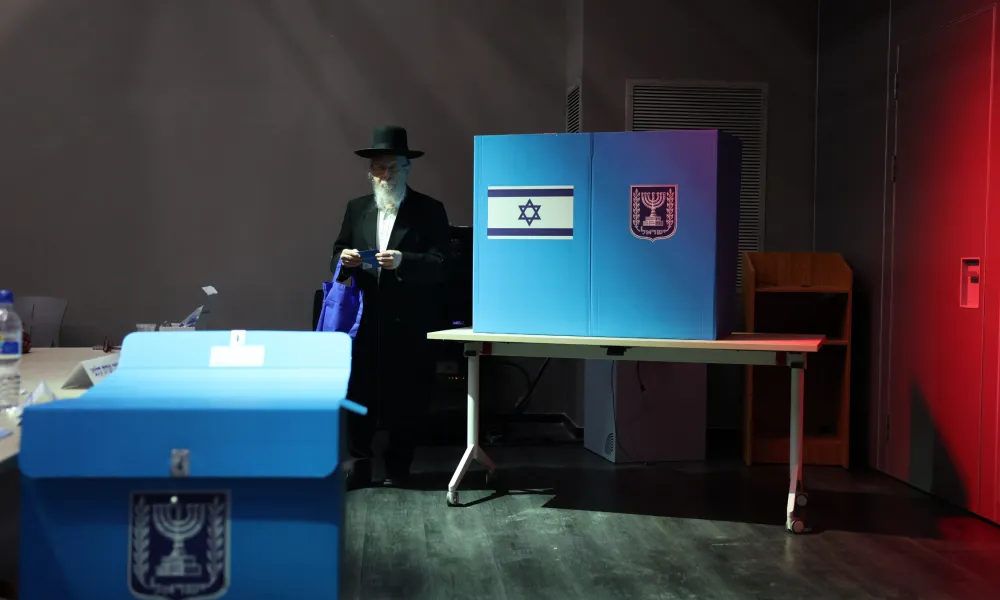
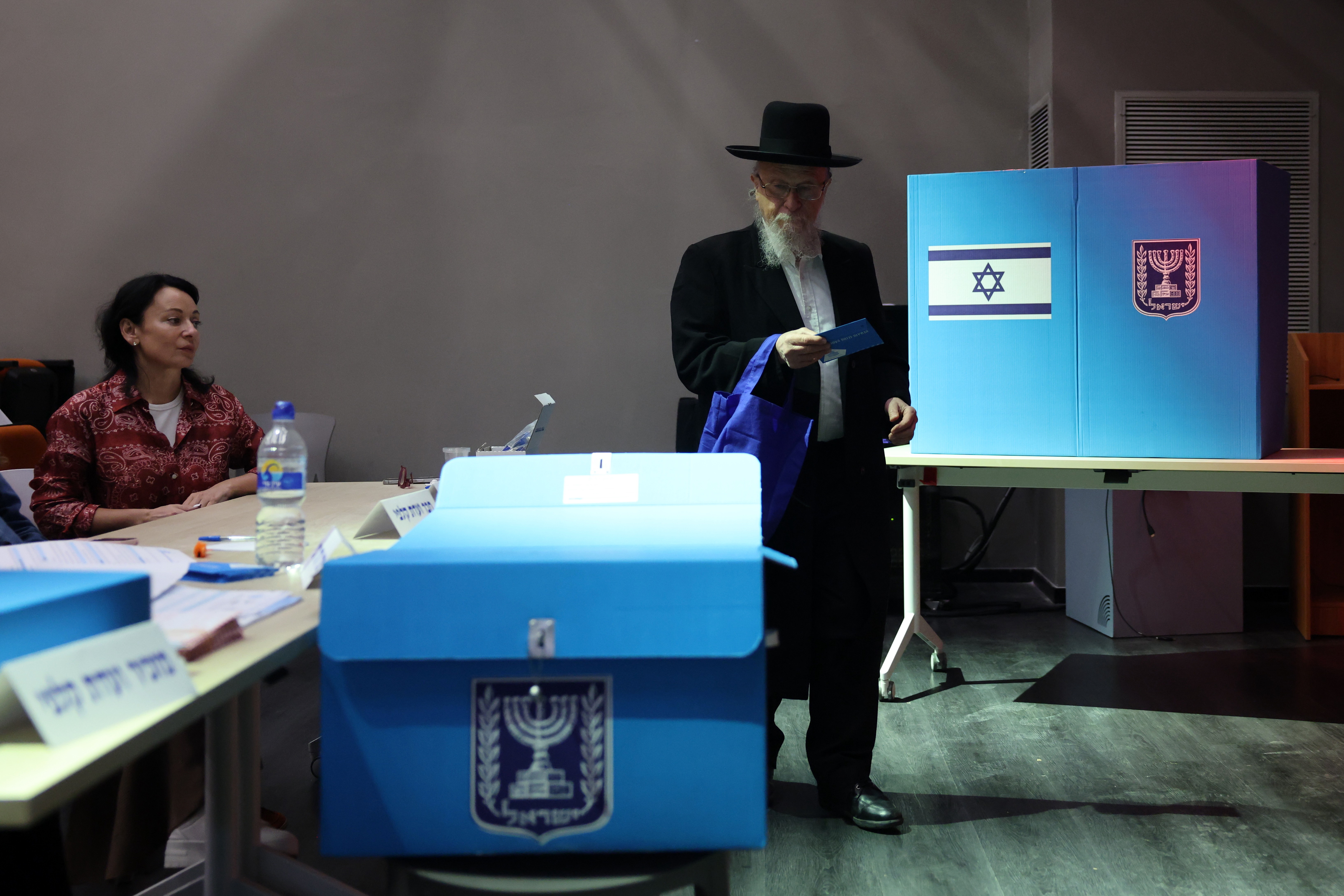
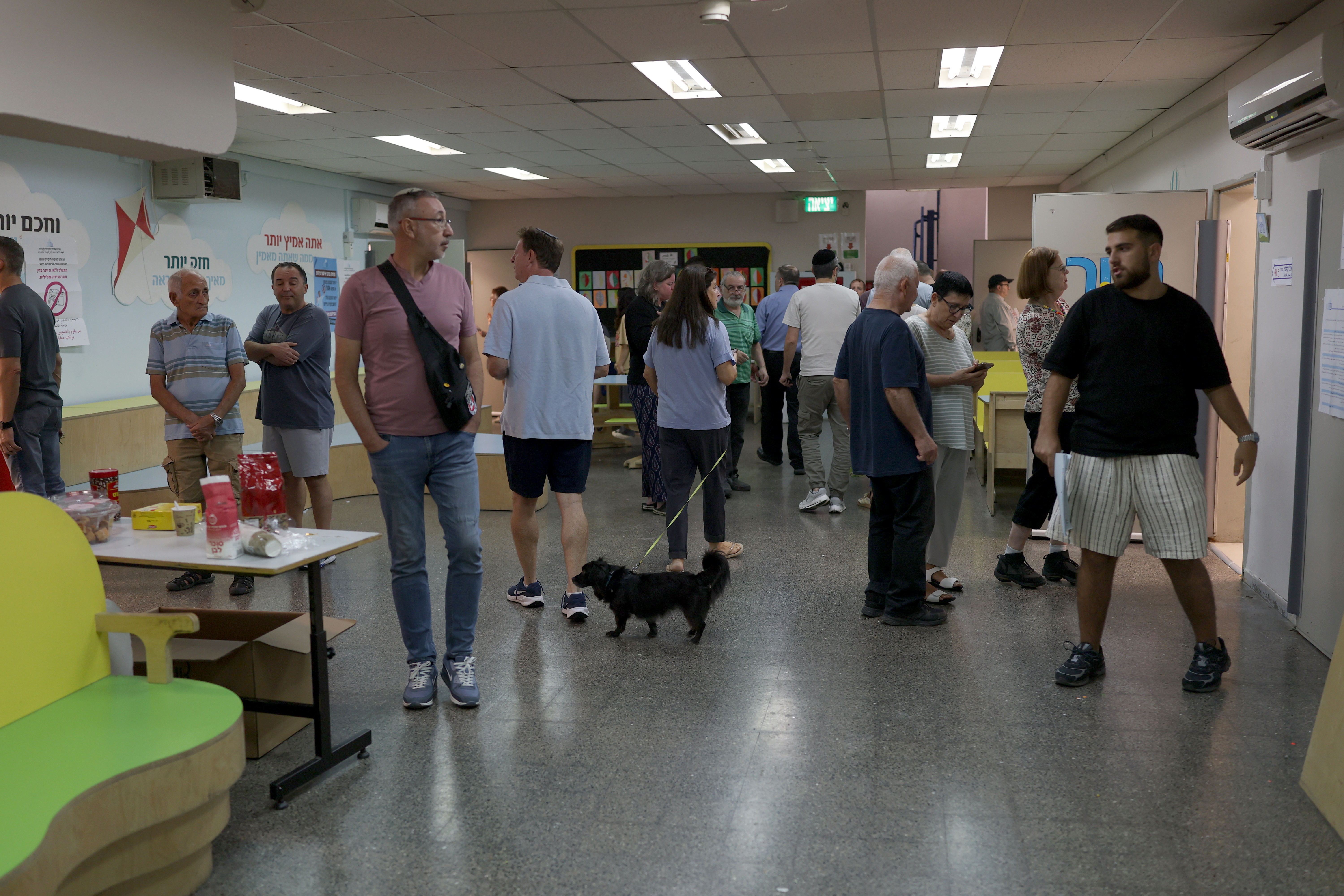
In the city of Beit Shemesh, a group of protesters reportedly vandalised a polling station by placing posters urging citizens to boycott the vote and scattering rubbish outside the entrance.
Meanwhile, the Haredi Public Party alleged that its representatives were subjected to violent attacks at polling stations in Bnei Brak, Beit Shemesh and Beitar Illit.
According to the party, the incidents occurred at locations where it had set up information booths. Formal complaints were submitted to both police and the Central Elections Committee.
Claims of missing and altered ballots
Concerns were also raised about ballot availability at several polling stations.
The Yisrael Beytenu party claimed that its ballots were missing when voting began at Polling Station 45 in Kiryat Ono.
However, the Central Elections Committee rejected the allegation, stating that the party's ballots had been available at the station.
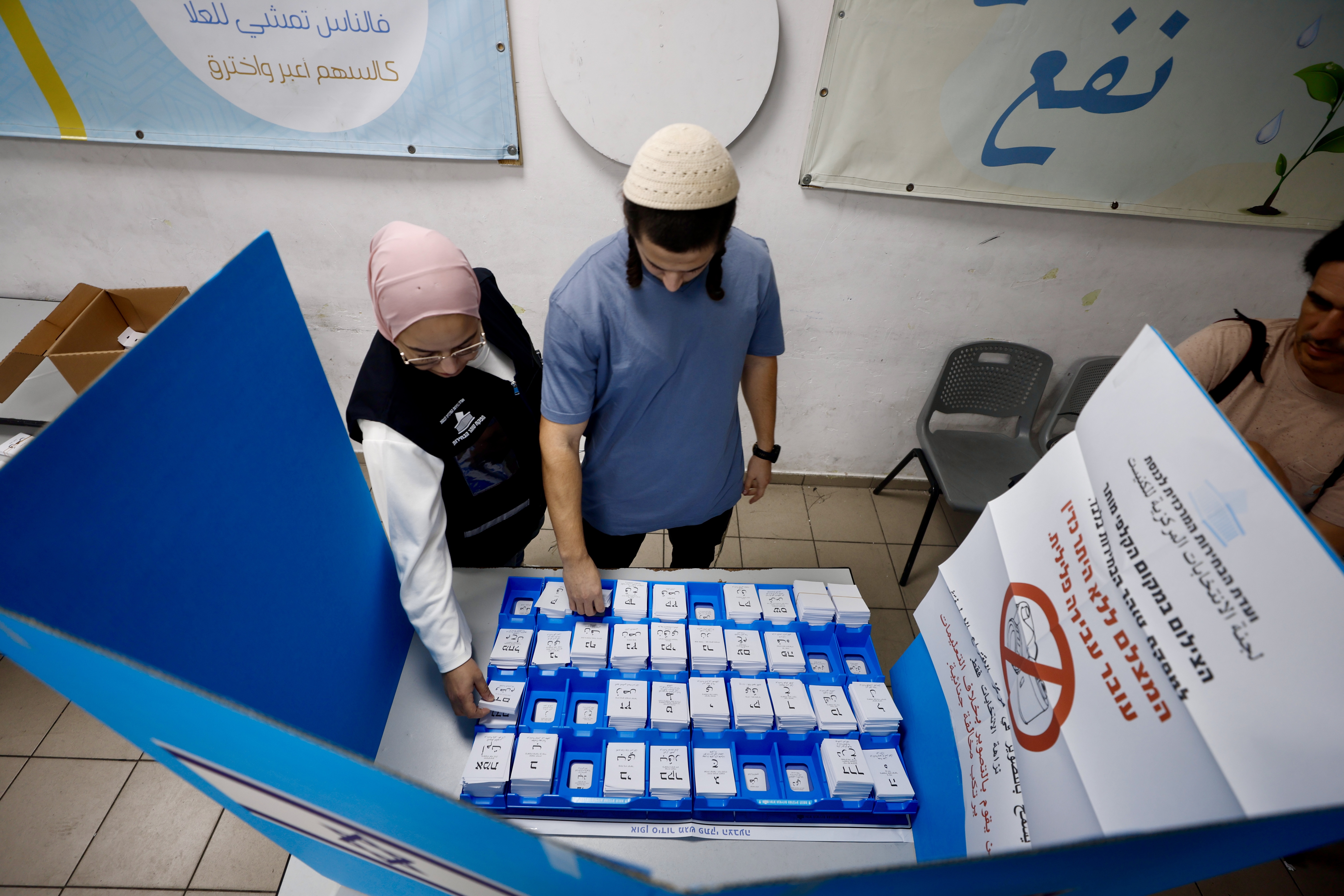
Similar complaints were made by the People of Israel party, which alleged that some of its ballots in civilian and military polling stations had been placed upside down, making them appear blank.
Other parties also complained about alleged ballot tampering or missing ballots. The Yashar party of Gadi Eisenkot suggested there may have been an organised effort to hinder votes in its favour.
Dispute over voter-tracking allegations
Another controversy involved allegations by the B'Yachad party that representatives of Likud were using an electronic application to unlawfully monitor voter turnout.
The Central Elections Committee rejected the initial complaint, saying it had identified only a single incident involving photography at a polling station in Moshav Yarkhiv.
According to the committee, the polling official involved stopped immediately after being instructed to do so.
The committee also reiterated that party representatives are prohibited from transmitting information about which citizens have arrived or voted.
Likud denied violating election law, maintaining that it operates information booths outside polling stations where voters may voluntarily provide information.
Three arrested in suspected vote-buying investigation
Israeli authorities arrested three residents of the Negev on Monday night as part of an investigation into suspected electoral bribery.
The suspects, from the areas of Meghav Shalom and Ar'ara, were allegedly found in possession of tens of thousands of shekels that investigators believe were intended to be distributed to voters in exchange for support for the Ra'am party.
Police said envelopes prepared for the distribution of money were also seized during searches of the suspects' homes.
Ra'am strongly criticised the arrests, arguing that party members had been detained without justification. Party leader Mansour Abbas also questioned the actions of the authorities.
Herzog calls election a 'celebration of democracy'
Israeli President Isaac Herzog sought to project a message of calm, casting his vote in Jerusalem alongside his wife, Michal Herzog.
"This is a true celebration of democracy, and we cannot allow anyone to spoil or sabotage it," he said, urging citizens to take part in the vote.
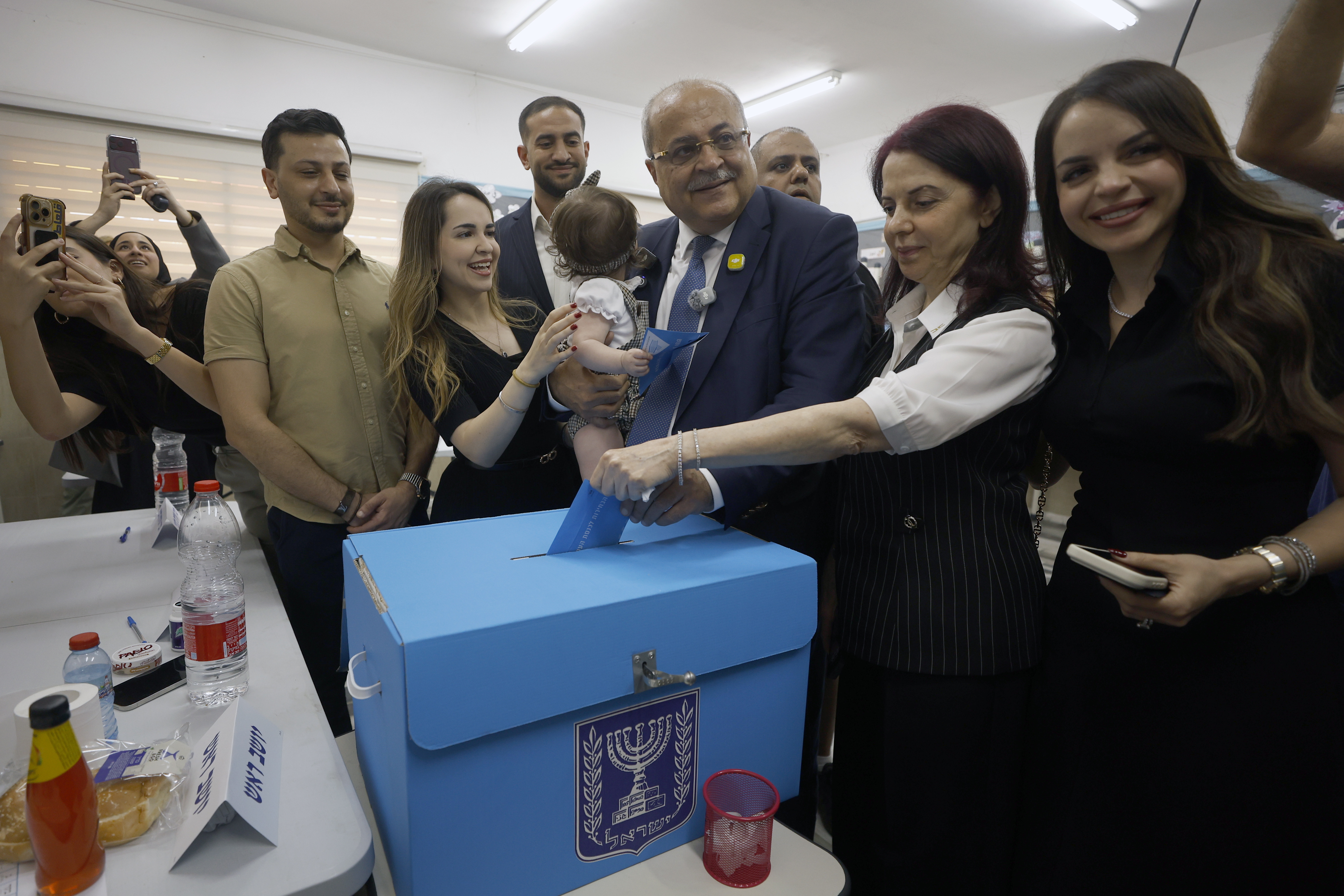
Political leaders from across the spectrum also cast their ballots, including former prime minister Naftali Bennett, who described the election as "a critical day for the future of the country and our children".
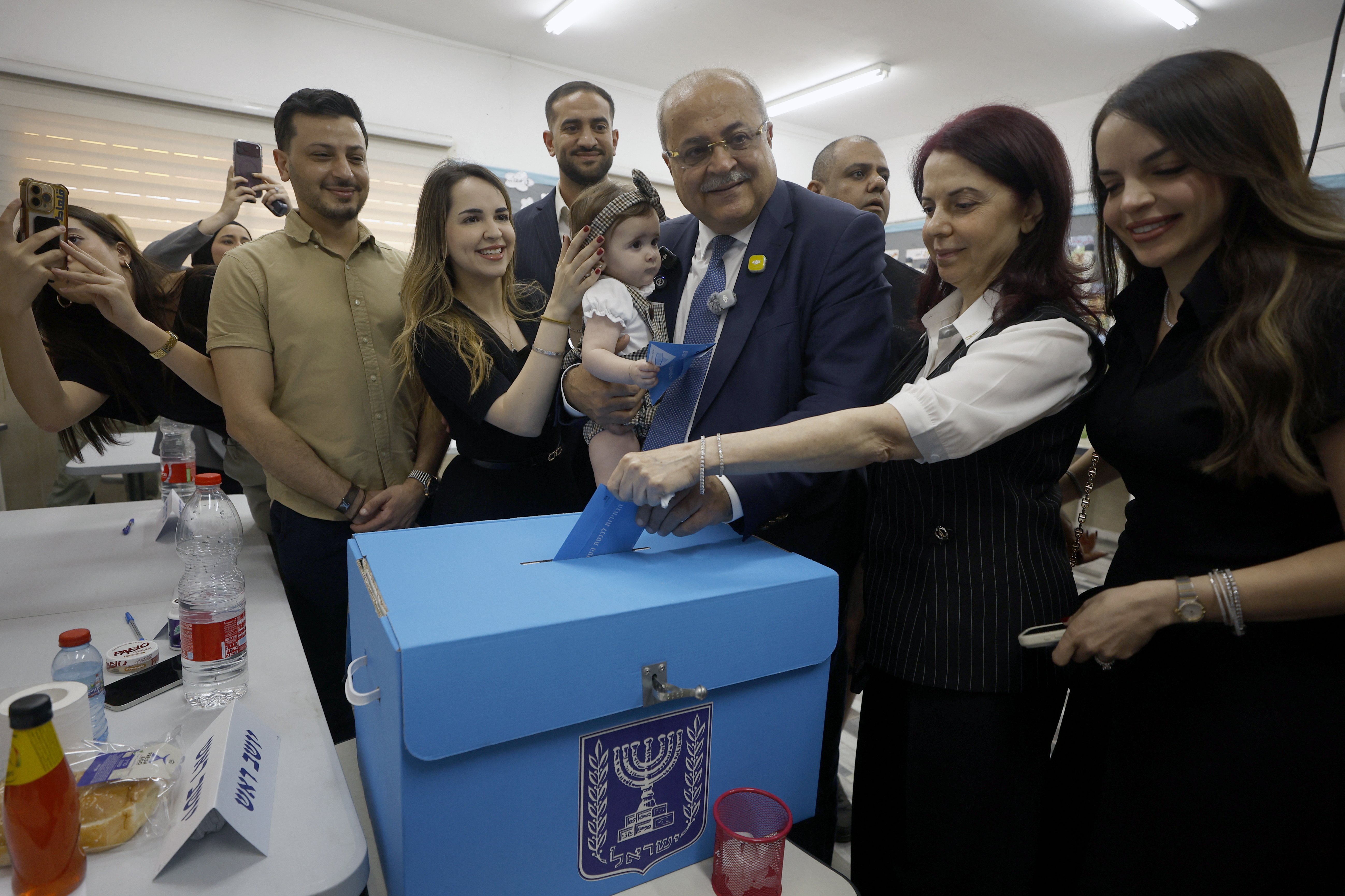
Among those voting were National Security Minister Itamar Ben-Gvir, Finance Minister Bezalel Smotrich, Democrats leader Yair Golan, Avigdor Lieberman, Aryeh Deri, and Arab party leaders Yousef Jabareen and Mansour Abbas.
When results are expected
Polling stations are due to close at 10pm local time, after which vote counting will begin.
Initial projections are expected overnight, but the final allocation of seats will take longer because special double-envelope ballots, including those cast by soldiers and voters outside their home districts, must also be counted.
The Central Elections Committee expects counting to be completed by Thursday, 29 October, while the deadline for officially publishing the results is 4 November.
Beyond determining which party wins the most seats, the key question will be whether any political camp can assemble a governing coalition holding at least 61 seats in the 120-member Knesset.
Until a new government is sworn in, Benjamin Netanyahu will remain caretaker prime minister.
Source: Protothema.gr