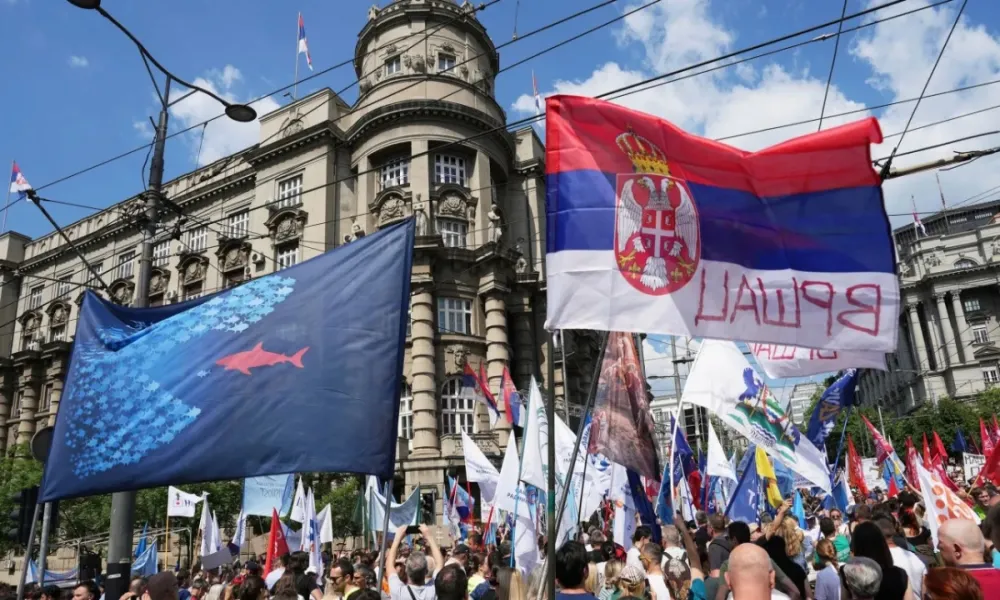



Some 6.45 million voters in Serbia go to the polls on Sunday, 25 October, to elect the 250 members of the new parliament.
The election is considered one of the most critical and closely contested in the country’s modern history, taking on the character of an unofficial referendum on Aleksandar Vučić’s 14 years in power. The former President of Serbia is leading the “United Serbia” ticket, made up of the Serbian Progressive Party (SNS) and smaller parties, which he describes as a national-patriotic front.
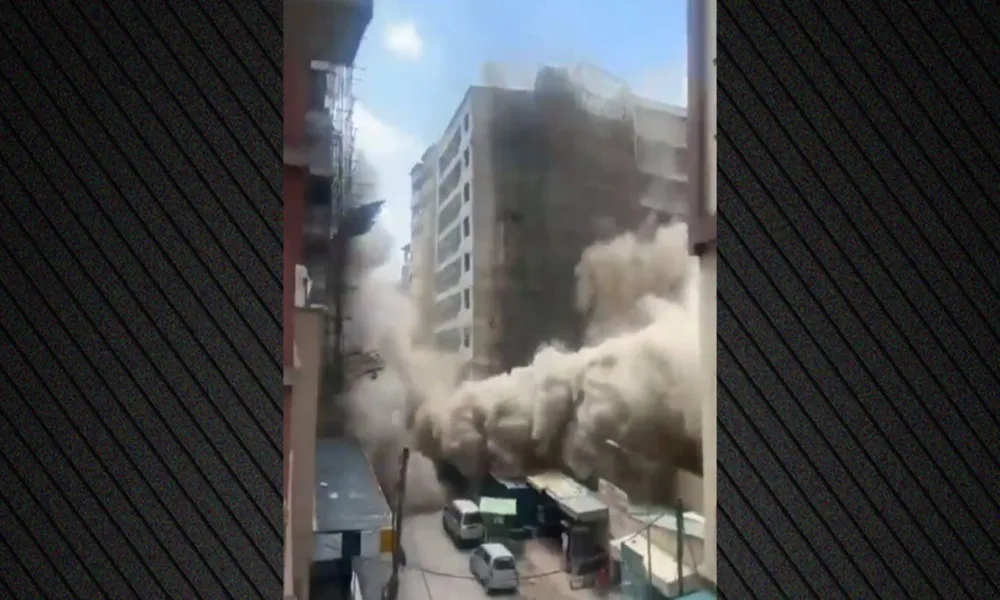
Vučić’s main challenger is now the “Student List”, rather than the traditional, fragmented opposition. The mass student movement has rallied a large part of society and has been at the forefront of protests against corruption and a lack of transparency over the past two years. The trigger for the student uprising was the collapse, in November 2024, of the canopy at the renovated railway station in Novi Sad, which killed 16 people.
Polls point to a “neck-and-neck” race, with the gap not exceeding two percentage points. Analysts are concerned that such a narrow result could be challenged and trigger unrest the day after the election.
EU closely monitoring
The vote is taking place amid intense political and social polarisation. Vučić’s ruling party labels the students “foreign agents who, with the help and financial support of secret services from abroad, seek to dismantle the state”, creating an explosive atmosphere. The students, for their part, allege illegal practices, including vote-buying, voter blackmail, preventive arrests of activists and the intimidation of citizens.
The European Union said it is closely monitoring developments and called for democratic principles to be respected during the electoral process. “The proper functioning of democratic institutions, particularly during elections, is at the heart of the process of joining the European Union,” European Commission spokesperson Christian Wigand said, commenting on the situation.
International observers from the European Union, the OSCE and the Council of Europe will monitor the election.
Polling stations open at 07:00 and close at 20:00, or 21:00 Cyprus time.
Source: CNA