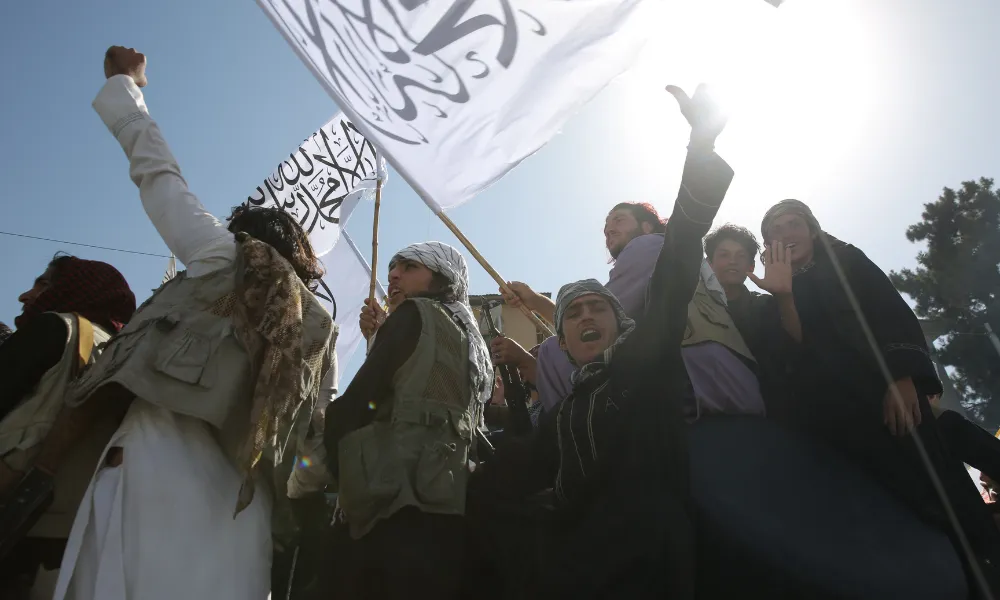

The UN High Commissioner for Human Rights, Volker Türk, warned on Wednesday of the numerous restrictions imposed by Afghanistan’s Taliban authorities, particularly on women and girls, condemning what he described as a “deafening silence” in the face oftheir suffering.
“The situation of many people in Afghanistan is getting worse. Millions of people have been plunged into poverty,” Türk said, according to a statement.
“Month by month, the authorities are becoming increasingly strict and implementingrepressive measures. Yet it seems that the world has forgotten and abandoned the Afghan people, leaving them in a situation that is deteriorating day by day. This silence is deafening,” he added.
Women and girls face sweeping restrictions
The UN official condemned restrictions that prevent women and girls from accessing education, employment, freedom of movement and public life.
He also criticised the enforcement of strict dress codes and the complete absence ofwomen from public decision-making bodies.
Türk called on the international community to step up its efforts to ensure that theTaliban authorities comply with international law.
According to the High Commissioner, the systematic exclusion of women and girls from public life — which has been normalised and institutionalised by the authorities — resembles “gender apartheid”.
Around 2.4 million young Afghan women and girls have been excluded from secondaryeducation since the Taliban returned to power five years ago, according to UNESCO.
New decrees raise further concerns
Türk also pointed to recent decrees that make it more difficult for women to obtain divorces and, he said, implicitly legitimise child marriage and violence against women and children.
A year ago, the Taliban authorities barred women in Afghanistan, including female UN staff, from accessing the organisation’s main offices in the country.
At least 449 men and women were subjected to corporal punishment by the Taliban authorities during the first half of the year, according to the High Commissioner.
Religious minorities, particularly Shia and Ismaili communities, also continue to facerestrictions, while Türk criticised the “censorship” of Afghan media and the detention of journalists.
Forced returns continue despite humanitarian crisis
Despite the dire human rights situation, forced returns to Afghanistan are continuing.
More than 400,000 Afghans have been forcibly repatriated this year, according to the UN, particularly from Iran and Pakistan, the Office of the High Commissioner for HumanRights said.
It also highlighted that several EU member states have increased their coordination with Afghanistan’s de facto authorities over the return of Afghans to the country.
The UN estimates that 21.9 million people in Afghanistan — around 45% of thepopulation — are in need of humanitarian assistance.