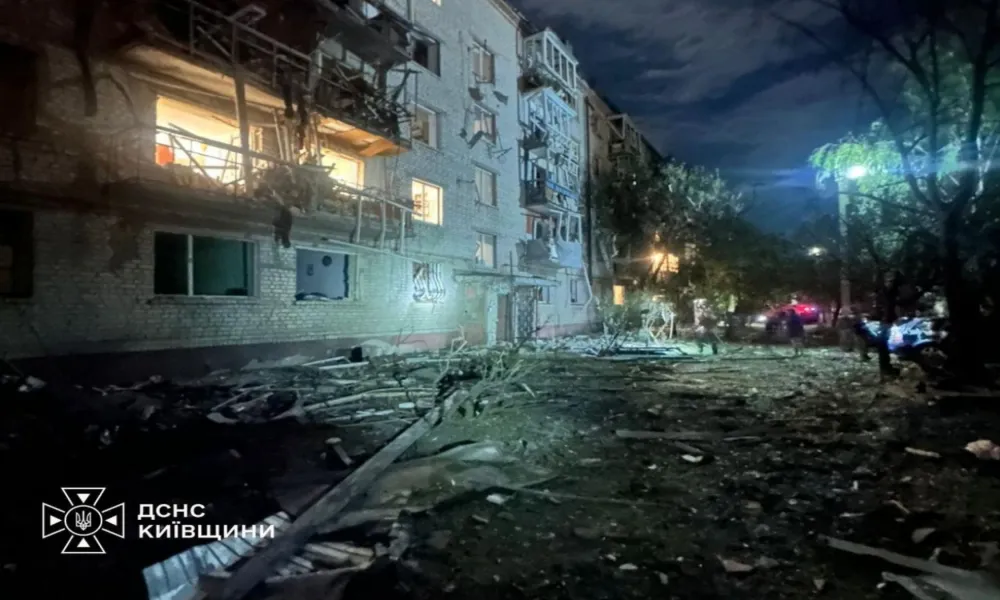

Russia launched another large-scale missile and drone attack on Kyiv and the surrounding region in the early hours of Tuesday, marking the sixth consecutive night of strikes, while Elon Musk's refusal to allow Ukraine to use the Starlink system for attacks deep inside Russian territory continues to highlight the gap between battlefield needs and the constraints imposed by technology and diplomacy.
The attacks left at least 12 people dead and 18 injured.
In Kyiv, eight people were killed, including three children, while damage to civilian infrastructure was recorded in five districts of the capital.
"The Kyiv region was subjected tonight to a massive attack with Russian missiles and attack drones," said Timur Tkachenko, head of the regional military administration.
In Boryspil, east of Kyiv, the toll rose to four dead and 13 injured, with damage reported to an apartment building, a shop and residential properties.
Last week, a strike on an ammunition depot in the village of Mila resulted in the deaths of 38 people.
The Starlink obstacle
Musk remains opposed to the use of Starlink by Ukrainian drones for strikes inside Russia, despite reports by the Financial Times suggesting he had become more open to the possibility.
According to sources cited by the Kyiv Independent, the SpaceX chief believes such a move would represent escalation rather than a step towards ending the war.
Volodymyr Zelenskyy reportedly raised the issue with Donald Trump on 28 July, but no approval has been granted to date.
A misunderstanding involving the Ukrainian Ministry of Defence, Musk and Trump is also reported to have temporarily damaged relations between Kyiv and Washington.
The technology is regarded as critical for Ukraine because it could enable strikes against Russian ballistic-missile launchers at a time when Kyiv faces shortages of Patriot air-defence systems.
Diplomatic moves
Alongside the military escalation, diplomatic contacts continue.
Zelenskyy said he had a "detailed and constructive" telephone conversation with Trump's envoys, Steve Witkoff and Jared Kushner, with both sides working to determine dates for a visit to Ukraine.
On the same day, Indian Prime Minister Narendra Modi urged Vladimir Putin to end the war "for the sake of humanity", with the Russian president responding that Moscow was "moving in that direction."
Tensions along NATO's borders with Russia remain elevated.
The alliance scrambled fighter aircraft in Latvia, while Finland imposed restrictions on air and maritime traffic near its border.
Estonia also issued a brief air-threat warning, with Foreign Minister Margus Tsahkna thanking NATO for its "swift" response.
These actions followed reports of drones over Russia's Leningrad region, which includes the port of Ust-Luga.
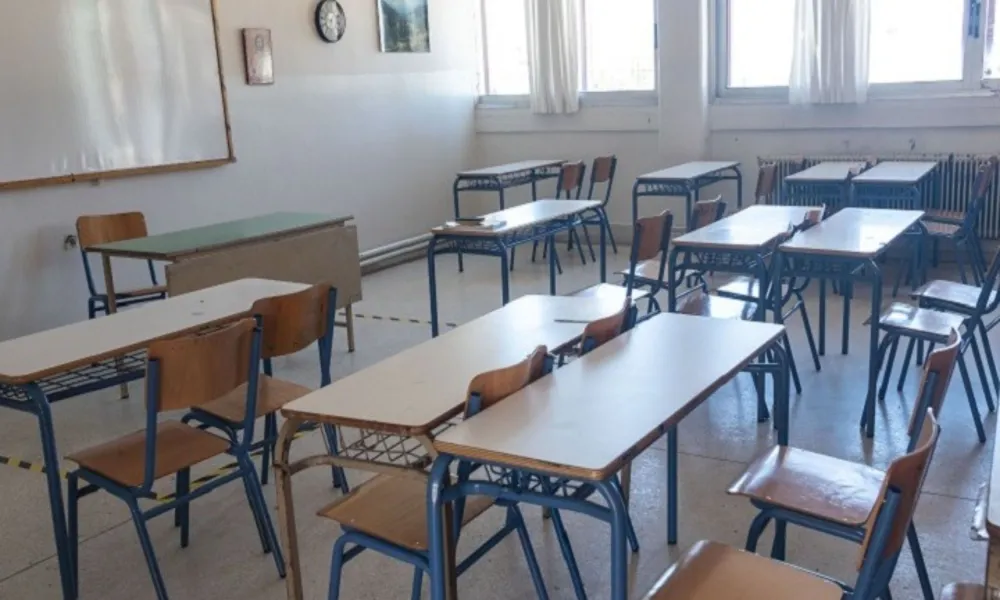
The latest attack also came as children across Ukraine were preparing to return to school after the summer holidays, with local authorities already warning against large gatherings in high-risk areas.
The contrast between continued Russian military pressure and caution surrounding technologies such as Starlink reflects the broader difficulty of balancing support for Ukraine's defence with efforts to avoid further escalation of the conflict.