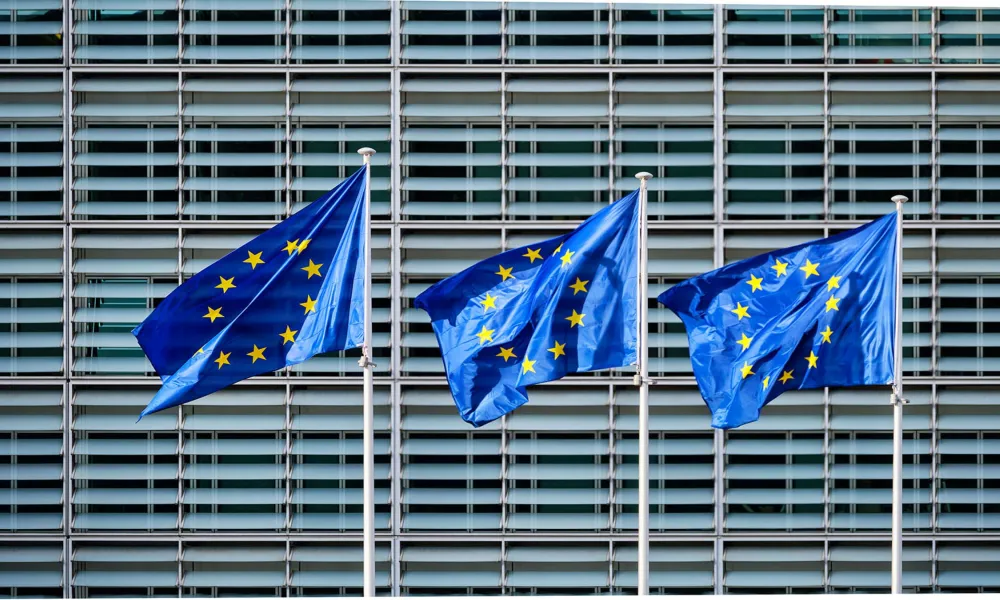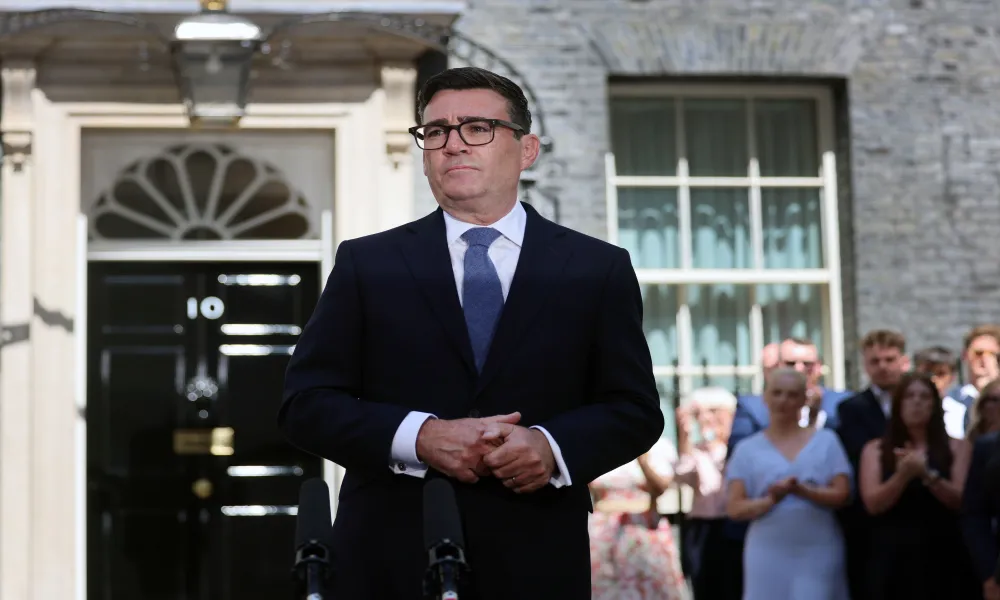

Britain's new government under Andy Burnham is seeking to accelerate talks with Brussels and pursue a more ambitious reset of UK-EU relations, while maintaining Labour's core Brexit red lines.
According to an exclusive report by The Guardian, the minister leading the negotiations, Hamish Falconer, says he wants a "deeper" and "more ambitious" relationship with Europe, with particular emphasis on the services sector.
Falconer argues there is room for substantially closer cooperation without breaching Labour's election commitments, which rule out a return to the single market or customs union.
Potential areas for discussion include easier movement for Britons working in the EU without visas and the mutual recognition of professional qualifications.
"I would like a deeper relationship, a more ambitious relationship with the EU," Falconer told The Guardian, adding that significant opportunities for cooperation exist, particularly in services.
Fresh momentum
The new minister, formerly responsible for Middle East affairs and a former Foreign Office diplomat, says he is determined to bring "a renewed sense of pace" to talks with Brussels.
The anticipated UK-EU summit, originally scheduled for July, was postponed following Keir Starmer's resignation as prime minister in June.
According to The Guardian, the next summit could now take place in October, allowing Falconer time to prepare and Burnham to further shape the government's foreign policy agenda.
Falconer insists Labour's Brexit red lines remain unchanged but believes successful negotiations also depend on the relationship between the parties involved.
Drawing a comparison with his diplomatic career, he noted that he had previously negotiated with the Taliban.
"With the EU, we're negotiating with friends, people with whom we share values and feel solidarity."
Youth mobility remains a sticking point
One of the key unresolved issues is a youth mobility agreement, which could allow tens of thousands of young people from Britain and EU countries to live and work on either side.
Talks previously stalled partly because of London's reluctance to allow EU students access to the lower tuition fees paid by UK students.
British universities, facing significant financial pressures, have opposed such a move.
Falconer acknowledged the difficulties and said any agreement would need to "work for both sides".
He also appears keen to link the government's European policy to tangible benefits for citizens, particularly in areas that voted heavily for Brexit and are now grappling with cost-of-living pressures.
Beyond trade
According to Falconer, closer relations with the EU are not limited to trade and economics.
He speaks of a broader concept of European solidarity encompassing defence, security, technology and responses to shared challenges such as climate change and major wildfires.
The previous Starmer government had already taken steps towards closer ties, including an agreement aimed at reducing barriers to food and drink exports, which is expected to come into force before summer 2027.
However, the process has faced setbacks.
Among them was the failure to secure an agreement on British participation in the EU's €150 billion SAFE defence financing programme.
Talks collapsed last November, with France accused of demanding too high a financial contribution for UK participation.
Officials in Brussels cited by The Guardian said the failure was damaging for both sides.
"We've made some real initial progress in resetting the relationship, but now we have to deliver results," Falconer said.
He stressed that despite Brexit, Britain remains part of Europe and continues to face the same challenges confronting the continent.
"We are part of Europe and we feel the threats that Europe faces."
He pointed to Russia's invasion of Ukraine and the shared challenges posed by the climate crisis.
According to The Guardian, the success of the new rapprochement effort will largely depend on whether Downing Street gives Falconer sufficient political space to reach agreements with Brussels.
Source: The Guardian