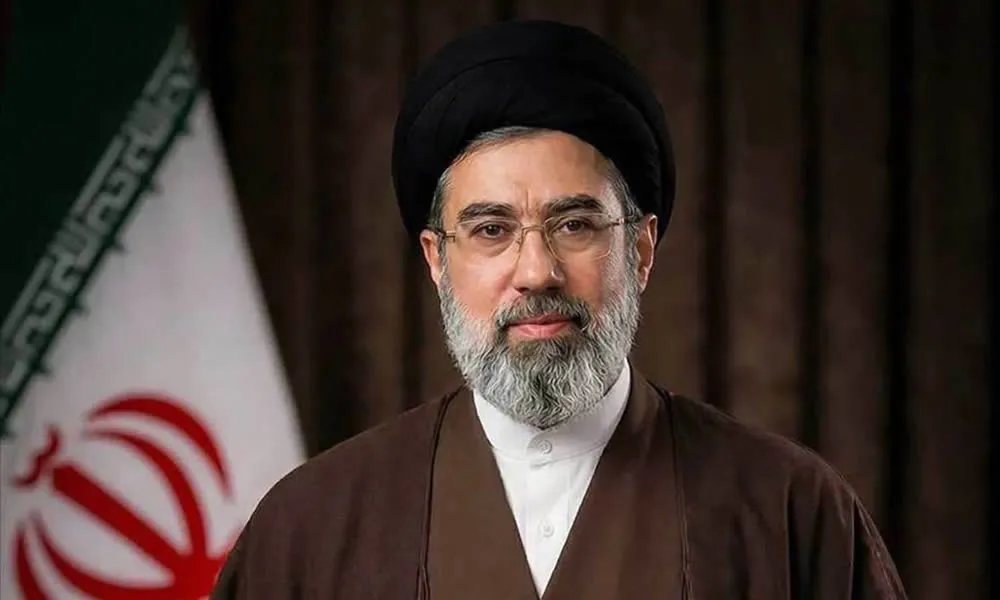

Iran is facing mounting economic pressure from the war, with millions of people believed to have lost work and much of the workforce left without access to unemployment protection. At the same time, uncertainty surrounds Supreme Leader Mojtaba Khamenei, who has made no public appearance since his appointment in March.
Millions lose their livelihoods
Figures from Iran’s Ministry of Labour indicate that more than one million jobs have been lost because of the war, while around two million people have been left directly or indirectly without work. Economists estimate that the actual number could range from three million to 4.5 million.
The lack of social protection has compounded the impact. Around 60% of Iranians work in the informal economy, without regular contracts or unemployment insurance.
Of the millions believed to have lost their income, only about 290,000 met the requirements for unemployment benefits, leaving the overwhelming majority without meaningful state support.
The war has also affected the steel, petrochemical and manufacturing industries, as well as supply chains. A months-long internet shutdown imposed by the authorities has meanwhile forced thousands of small businesses to close.
The International Monetary Fund forecasts that Iran’s economy will contract by 6.1% in 2026, with inflation approaching 69%. US pressure on Iranian ports and the continuing crisis in the Strait of Hormuz are further restricting exports and access to raw materials.
Reports about Khamenei’s health
Uncertainty has also been fuelled by reports about the health of Iran’s new supreme leader, Mojtaba Khamenei.
Since his appointment in March, he has not appeared in public, while no recent photograph or audio recording of his voice has been released.
Sources cited by Reuters said Khamenei had suffered serious injuries, including facial disfigurement and severe damage to his legs. They claimed, however, that he remained mentally alert and continued to participate in decision-making through video conferences.
Tehran maintains that he sustained only superficial injuries and is performing his duties normally. Neither account has been independently verified.
Pezeshkian outlines limits of government authority
Iranian President Masoud Pezeshkian has acknowledged that his government does not have the final say on whether the war continues or ends.
He said decisions concerning military operations and negotiations are made through the Supreme National Security Council, in consultation with the leadership of the armed forces, and require the approval of Supreme Leader Mojtaba Khamenei.
Pezeshkian said the government was required to implement those decisions and insisted that it remained in “full harmony” with the military leadership. His remarks nevertheless underline the government’s limited authority over Iran’s military and foreign policy.
Source: CNA.