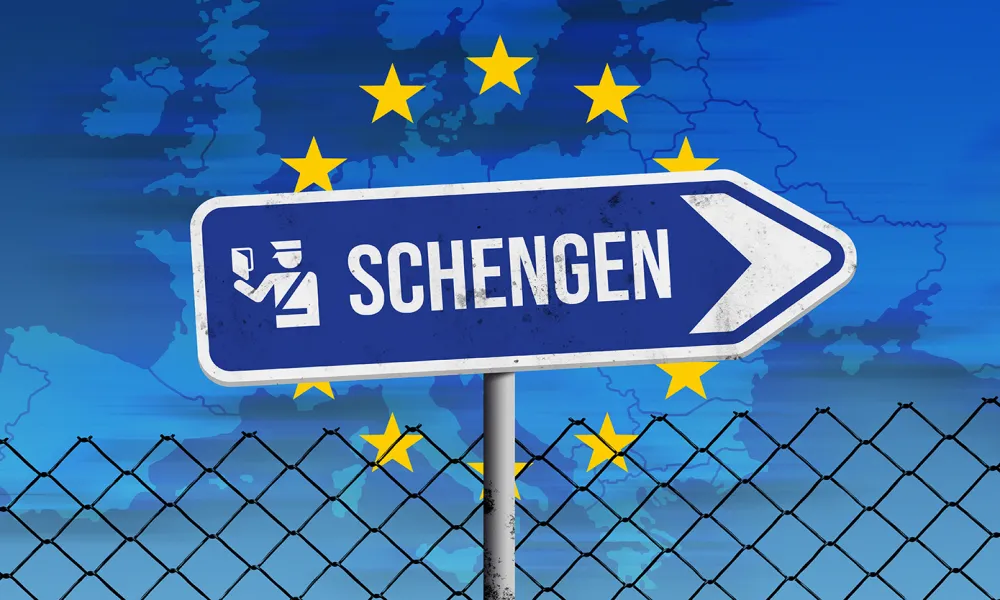
A group of 11 Schengen countries led by Sweden is pressing the European Commission to introduce new binding rules restricting non-essential travel by Russian citizens to Europe while Russia’s war in Ukraine continues.
The request is set out in a joint letter sent to EU High Representative for Foreign Affairs and Security Policy Kaja Kallas and Migration Commissioner Magnus Brunner.
Commercialising visas
The letter was signed by Sweden, Denmark, Finland, Estonia, Latvia, Lithuania, Poland, the Czech Republic and the Netherlands, as well as Norway and Iceland, two Schengen countries that are not members of the European Union.
The signatories argue that uneven implementation of European Commission guidelines by member states has led to the commercialisation of visas and created security risks for the entire Schengen area.
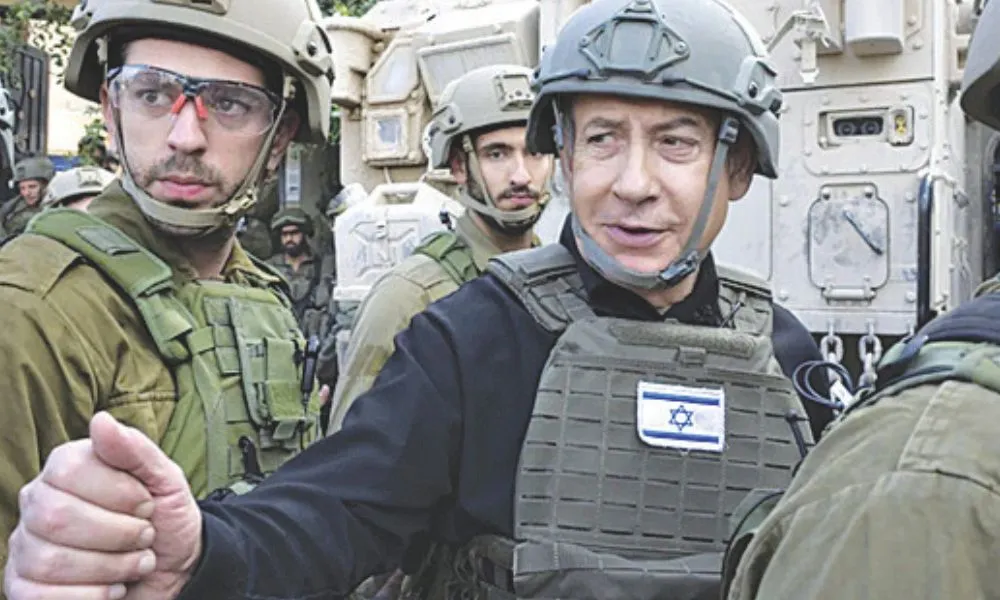
“Easy access to the Schengen area increases potential security risks, including those linked to the movement of thousands of Russian fighters who have participated in the war of aggression against Ukraine,” the letter states.
Contradictions
According to figures cited in the document, 477,878 tourist visas were issued to Russian citizens in 2025, accounting for 77% of all visas granted to Russians. The signatories note that a significant proportion of these were multiple-entry visas, which they argue runs counter to Commission guidance aimed at limiting visas for Russian nationals.
“This stands in stark contrast to the Commission’s approach, which calls for a stricter stance towards Russian visa applicants travelling for non-essential purposes, and represents a major concession in our common policy towards the aggressor state. We find this deeply concerning,” the letter says.
The countries are urging the Commission to accelerate the introduction of new binding visa measures through revisions to the EU Visa Code, in line with proposals outlined in the bloc’s new Visa Strategy. They argue that member states need stronger tools to respond to hostile actions by third countries.
Private companies
The signatories also call on the Commission to improve monitoring of how visa guidelines for Russian citizens are implemented and to work with EU agencies, including Europol, to identify and restrict access to the Schengen area for active and former Russian combatants.
In addition, they ask the Commission to examine, together with national authorities, the role of private companies involved in visa processing, including Dubai-based VMS, which has Russian ownership links.
Speaking to reporters on Friday, European Commission migration spokesperson Markus Lammert confirmed that the Commission had received the letter ahead of a meeting of EU interior ministers in Luxembourg, where the issue was also discussed.
Commission on defensive
Lammert noted that the Commission had already taken several measures since Russia's full-scale invasion of Ukraine in 2022. These include the suspension of the EU-Russia Visa Facilitation Agreement in September 2022, the adoption of guidelines prioritising security checks and visa scrutiny, and stricter visa rules introduced in November 2025, under which Russian citizens can generally no longer obtain multiple-entry visas.
“The results are visible,” Lammert said. “Before the war, around four million visas were issued annually to Russian citizens. That figure has now fallen to around 500,000 per year.”
He added that the Commission continues to closely monitor implementation of the guidelines and work with member states to ensure consistent application across the bloc.
“I invite you to look at the figures year by year,” he said. “You will see that the numbers have fallen dramatically since the beginning of the war. From four million, we are now at 500,000. There are fluctuations from year to year, but they are in no way comparable to pre-war levels.”
Steps ahead
Lammert also announced that the Commission is preparing two key initiatives.
The first is a proposal for targeted visa restrictions designed to address security risks arising from hostile actions by third countries. The measures are expected to form part of the upcoming revision of the Visa Code, which the Commission plans to present early next year as outlined in its Visa Strategy.
The second concerns an assessment of ways to limit access to the Schengen area for Russian fighters who have taken part in the war against Ukraine.
“We fully agree with the concerns expressed in the letter that Russian fighters who fought against Ukraine may pose a threat to the EU, and we are examining possible ways to restrict their access,” Lammert said.