The outcome of the May 24 parliamentary elections not only strengthened AKEL electorally but also created a new political momentum that the party leadership believes must be exploited without delay.
That was the central conclusion of discussions at Saturday’s meeting of AKEL’s Central Committee, which went far beyond a simple assessment of the election result. Based on the indications emerging from the meeting and the content of the party’s statements, the Central Committee effectively marked the first organised step on the road to the 2028 presidential election.
The recovery recorded by AKEL in a particularly challenging political environment has reinforced the leadership’s belief that the conditions exist for a serious bid for government and that preparations must begin immediately.
Early decisions
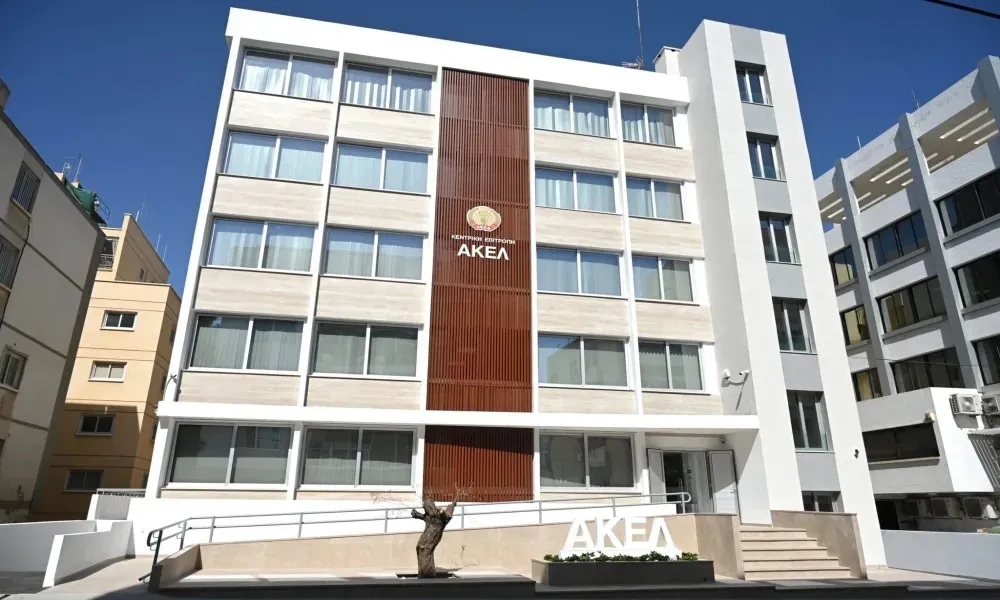
At AKEL headquarters on Ezekia Papaioannou Avenue, there is a growing view that this time there is no room for delays.
Procedures are expected to move faster than in previous presidential campaigns, with the aim of having the political framework in place and a final decision on the party’s candidate taken by early 2027.
An early selection is seen as crucial to building the necessary political and social alliances, mobilising the party’s organisational machinery and attracting support beyond traditional party lines.
The prevailing assessment is that only a long, well-organised and outward-looking campaign can create the broad social majority needed to return AKEL to power after three consecutive presidential terms in opposition.
A strategic battle
Within AKEL, there is a strong sense that the party cannot remain outside government for a fourth consecutive presidential term.
Party leaders believe the prolonged absence from executive power limits AKEL’s political influence and makes it harder to implement its long-standing proposals on the economy, the welfare state and the Cyprus issue.
For that reason, the 2028 presidential election is being viewed as a strategic battle rather than just another electoral contest.
A first sign?
The first indication of this new strategy was seen in the recent by-election for the deputy mayoralty of Aglantzia.
The victory of Andri Hadjiandreou is being evaluated by AKEL as a small but highly symbolic success. The party believes the result suggests there are social and political forces seeking a change in government and willing to support new, untainted candidates.
AKEL also places particular emphasis on the fact that Hadjiandreou’s candidacy was opposed by DISY, ELAM and DIKO.
The victory over that alliance is interpreted as a political message that different political balances can be created through the broader social coalition the party hopes to strengthen through new initiatives in the coming months.
According to AKEL’s argument, the high abstention rate in the by-election does not diminish the result, since it affected all candidates and elections are decided by those who choose to vote.
A broader narrative
At the same time, AKEL’s leadership is attempting to promote a broader political narrative linking the need for a change in government with restoring trust in public institutions.
Its analysis argues that a significant part of society wants a state with greater transparency, fewer cases of collusion and corruption, more effective institutions, and social policies capable of addressing the high cost of living, the housing crisis and growing inequalities.