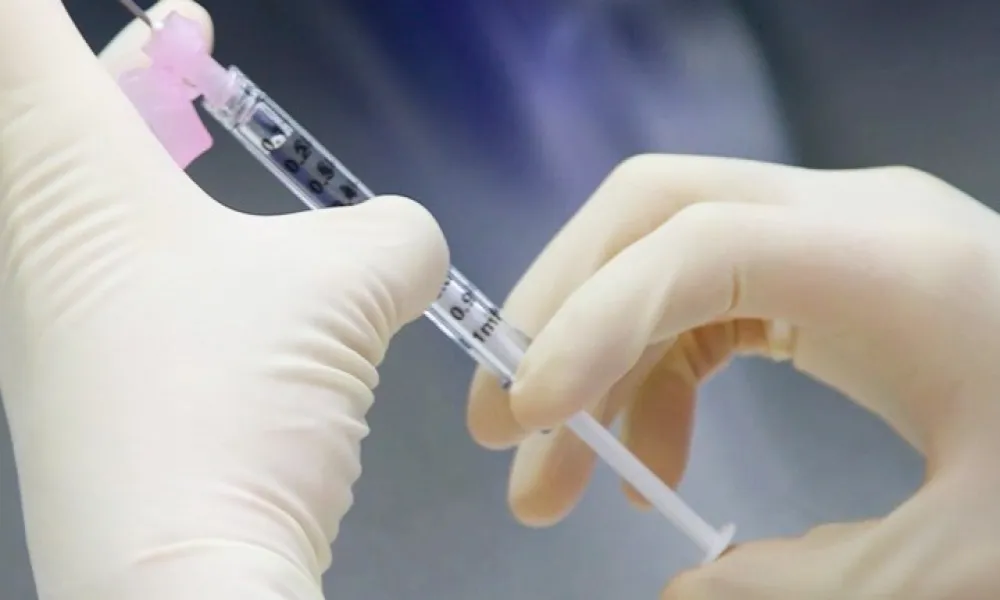

A personalised mRNA cancer vaccine developed by Moderna and Merck has produced encouraging results in a large Phase 3 clinical trial involving more than 1,100 melanoma patients, raising hopes for a new approach to cancer treatment.
According to results reported by Reuters, the experimental vaccine, administered alongside Merck's immunotherapy drug Keytruda, reduced the relative risk of melanoma recurrence or death by 42% and lowered the relative risk of distant metastasis or death by 38% compared with Keytruda alone.
Results show improved outcomes
The Phase 3 study involved more than 1,100 patients with melanoma, the most serious form of skin cancer.
Two years after treatment, 82.2% of patients who received the vaccine-Keytruda combination remained free of cancer recurrence, compared with 70% of those treated with Keytruda alone.
The findings are considered significant because the participants had already undergone surgery to remove their melanoma but remained at elevated risk of the disease returning.
Dr Hussein Tawbi, a melanoma specialist and investigator at the University of Texas MD Anderson Cancer Center, said the results were statistically significant and unlikely to be explained by chance.
Detailed study findings are expected to be presented on 24 October at the European Society for Medical Oncology (ESMO) Congress in Madrid.
How the personalised vaccine works
Unlike conventional vaccines designed to prevent infectious diseases, the experimental treatment is tailored to each patient's tumour.
Scientists analyse the genetic mutations within a patient's cancer and use that information to create a personalised mRNA vaccine targeting specific tumour characteristics.
The vaccine is designed to train the immune system to recognise and attack cancer cells, while Keytruda enhances the body's immune response against those cells.
In the trial, patients began receiving the vaccine approximately 13 weeks after surgery, with treatment consisting of nine doses.
Potential applications beyond melanoma
The results have increased expectations that the technology could be used against other forms of cancer.
According to Reuters, Moderna and Merck are already evaluating the treatment in patients with:
- Lung cancer
- Kidney cancer
- Bladder cancer
Moderna Chief Executive Officer Stéphane Bancel said the findings could mark the beginning of a new chapter in cancer treatment by enabling immune cells to target the unique characteristics of each patient's tumour.
Approval process still ahead
The companies are preparing to seek approval from US regulators, with the goal of making the treatment available in 2027, subject to regulatory review and approval.
Researchers stressed that the therapy remains experimental.
The reported 42% reduction relates to the relative risk of recurrence or death compared with treatment using Keytruda alone and does not mean the vaccine cures cancer.
Further evaluation will be required to determine the treatment's long-term effectiveness and whether similar benefits can be achieved in other cancer types.
Nevertheless, the results represent an important step towards more personalised cancer care, in which treatment is guided not only by the type of cancer but also by the individual genetic characteristics of each patient's tumour.