Paediatrician Michalis Anastasiades has urged parents and carers to remain on high alert during periods of extreme heat, warning that children are especially vulnerable to heat exhaustion and heatstroke.
Speaking on Politis radio, following the tragedy in Xylofagou that has shocked Cyprus, Anastasiades said the current high temperatures make it essential to repeatedly remind adults of the dangers posed by heat, sun exposure and closed vehicles.
He said early warning signs in children can include severe tiredness, thirst, headache, dizziness, flushed skin and dry lips. When such symptoms appear, he said the child should be moved immediately to a cool, air-conditioned place, given plenty of fluids and helped to cool down, including with cool baths if needed.
Anastasiades stressed that young children are among the most vulnerable groups because their bodies can deteriorate more quickly under heat stress. Heat exhaustion, he said, can progress to heatstroke if not addressed in time.
Heatstroke, he added, should not be treated as a simple case of dizziness, weakness or a headache. It is a serious medical condition that can lead to multi-organ failure and requires urgent hospital treatment.
The paediatrician advised that children should avoid exposure to direct sun and high temperatures, particularly between 11:00 and 15:00, and in some cases until 16:00, when heat and solar radiation are at their strongest.
Children should remain in well-cooled areas, wear light and loose clothing in pale colours, drink enough fluids and avoid unnecessary movement outdoors during the hottest hours of the day, he said.
Anastasiades also underlined the need for proper protection from solar radiation, including suitable sunscreen and sunglasses, noting that sun exposure can also damage children’s skin.
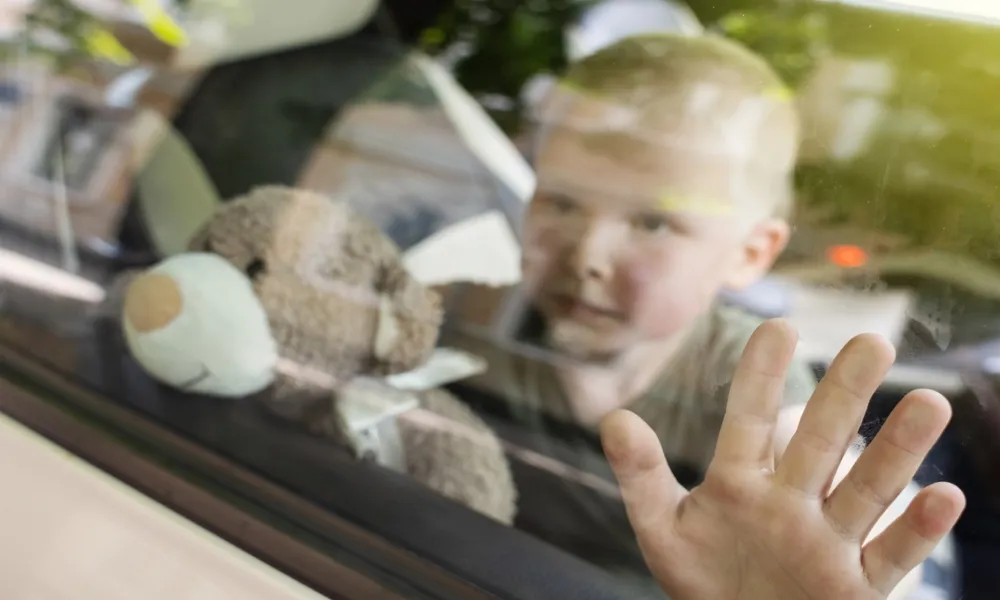
He placed particular emphasis on the danger of leaving a child inside a parked car, even for a very short period and even if the child is asleep.
A closed vehicle exposed to the sun, without ventilation or air conditioning, can heat up extremely quickly, he warned, describing the conditions that can develop inside as comparable to a closed oven.
When the outside temperature is around 40C, he said, a closed and unventilated car can become an unsafe and suffocating environment within a short time. That risk is even greater for children.
Anastasiades said children do not recognise danger in the same way adults do. They want to play, move around and be with other children, but they are not able to protect themselves adequately from heat-related risks.
For that reason, he said, responsibility rests entirely with adults.
“We are responsible. We have the responsibility. We, the adults, hold our children’s lives in our hands,” Anastasiades said, stressing that prevention remains the most important form of protection.