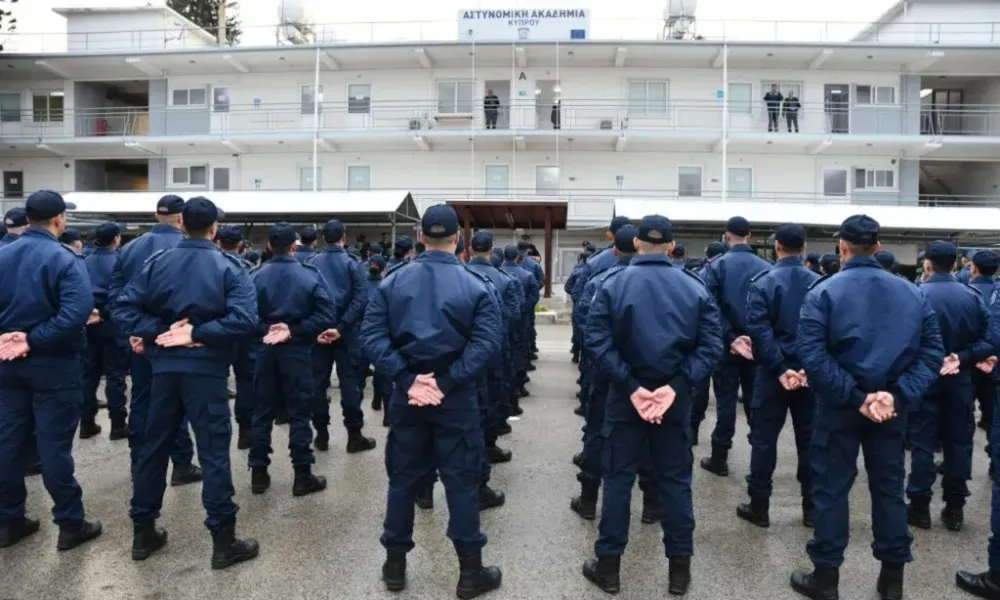

Cyprus's Ministry of Justice and Public Order is considering whether the Police Internal Affairs Service, responsible for investigating corruption within the police force, should be transformed into an independent body as part of broader police reform efforts.
The move is aimed at strengthening the effectiveness and autonomy of the unit, which was established in 2018 to investigate allegations of corruption involving police officers.
Currently, the Internal Affairs Service operates autonomously within the police force, reports directly to the Chief of Police and is supervised by the Attorney General.
Concerns over institutional dependence
A key concern identified over the unit's eight years of operation relates to the professional dependence of its investigators.
The service is staffed by police officers known informally as the "untouchables", who are selected, assigned and transferred by the Chief of Police for four-year terms. Their service can be extended once for an additional two years, after which they return to other police departments.
Critics argue this arrangement creates a potential conflict.
An officer investigating a senior colleague for corruption may later find themselves serving under that same individual, being assessed for promotion by them or subject to decisions regarding future transfers.
According to information obtained by Politis, the Justice Ministry views this issue as problematic and believes it may be reflected in the unit's record.
Since its establishment in 2018, only a handful of corruption cases investigated by the service have reached the courts. Available data also indicate that no senior police officers have appeared among the defendants in those cases.
Independence under consideration
The ministry is therefore exploring the possibility of separating the service from the police force entirely.
Supporters of the proposal argue that an independent structure could strengthen both the autonomy and effectiveness of corruption investigations.
Union representatives told Politis, however, that any such reform would require careful study and a clearly defined institutional framework before implementation.
Confidentiality challenges
The legislation governing the Internal Affairs Service includes strict protections for the identity of its members.
The law prohibits the publication of documents, identifying information or any details that could reveal the identity of an officer serving within the unit.
Violations can result in prison sentences of up to five years, fines of up to €50,000, or both.
Despite these safeguards, maintaining confidentiality remains difficult in Cyprus's small policing community, where many officers are aware of which colleagues serve in the Internal Affairs Service.
Powers to investigate officers
As part of its mandate, the Internal Affairs Service conducts investigations, covert operations and surprise inspections into suspected corruption offences involving police personnel.
Subject to court warrants, it can also seek the lifting of privacy protections covering private communications.
The service additionally has the authority to require police officers to undergo drug tests and alcohol tests at any time while carrying out their duties.
Calls for greater transparency
The article argues that, in the interests of transparency and public accountability, the police should publish annual statistics on the unit's work.
Suggested disclosures include:
- The number of officers investigated for corruption.
- The outcomes of those investigations.
- The number of drug and alcohol tests conducted.
- The results of those tests.
Possibility of outside specialists
Under existing legislation, the head of the Internal Affairs Service may also request the secondment of experts from the public or wider public sector.
Such appointments require approval from both the Chief of Police and the Justice Minister and are intended to provide specialist expertise relevant to the unit's investigative work.