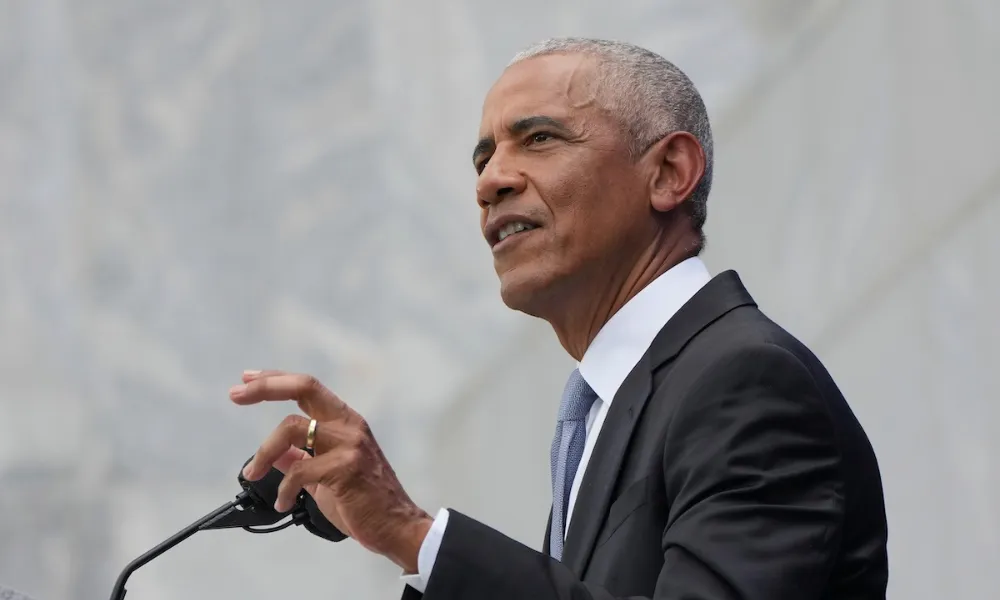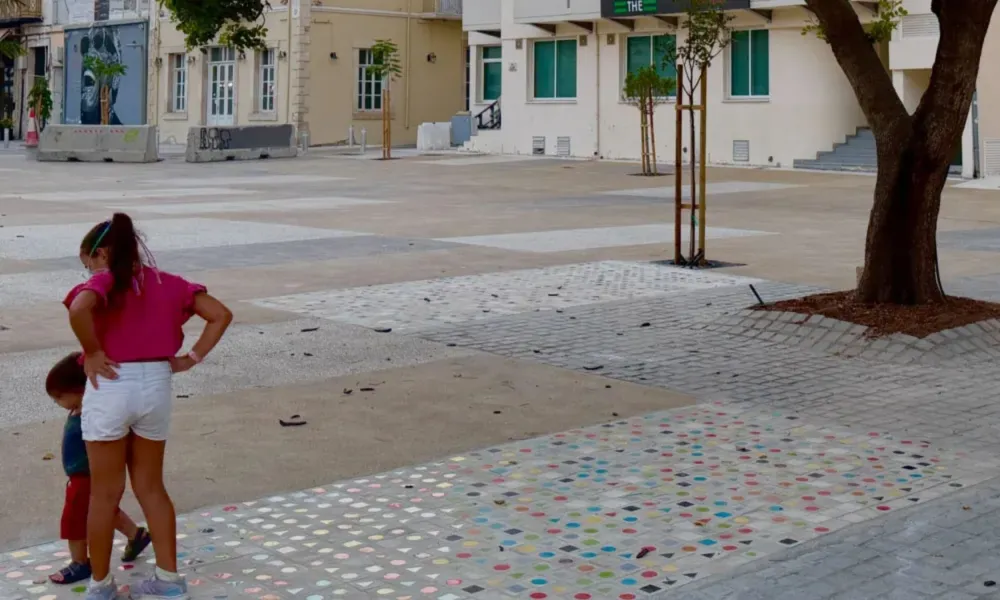

Former Limassol mayor Nicos Nicolaides has entered the public debate surrounding the new Heroes Square, recalling the origins and objectives of the redevelopment project and arguing that its success cannot be measured by initial reactions alone.
Instead, he identifies three key factors that will determine the square's long-term value: the durability of its materials, the growth of its greenery and, above all, whether residents make the space their own.
In a public post, Nicolaides described the strong interest shown by residents, and the differing views expressed following the square's temporary handover, as "entirely natural".
He noted that the redevelopment was among the first major decisions taken by the previous Limassol Municipal Council, which launched an architectural competition in November 2019.
According to Nicolaides, the project was a political decision aimed at "upgrading and highlighting Limassol's most emblematic and historic square" as a defining landmark of the city.
To prepare the competition, an advisory committee was established to develop the framework and guiding principles of the project from historical, architectural, cultural and sociological perspectives.
The committee included the late Titos Kolotas, Tasos Andreou, Marios Christophinis, Adamos Kompos, Loukas Grigoriadis and Stelios Stylianides on behalf of the municipality.
Its recommendations were submitted to the competition's evaluation panel, which included representatives of ETEK, the Cyprus Architects Association, the Department of Town Planning and Limassol Municipality.
Original objectives
According to Nicolaides, the primary aim of the competition was to highlight the historical and social significance of Heroes Square while taking into account the area's architectural and memorial characteristics and its role in Limassol's development.
Among the strategic objectives were:
- Highlighting the square as a historic and symbolic city landmark.
- Strengthening its connection with other important parts of Limassol.
- Preserving the site's memory and restoring authentic elements.
- Improving environmental conditions through planting and shade.
- Encouraging cultural and artistic activity.
- Promoting interaction between different communities and cultures.
- Attracting young people as well as residents of all ages.
- Safeguarding the quality of life of local residents.
A total of 14 proposals were submitted to the architectural competition.
The evaluation panel decided not to award a first or third prize, while the second prize was awarded to a proposal by Socrates Stratis, AA&U for Architecture, Art and Urbanism, and Christos Pasadakis of KIS Architecture.
That proposal was ultimately selected for implementation.
"Time will tell"
Referring to the recent temporary handover of the square, Nicolaides said it is reasonable both for city authorities and residents to assess whether the original objectives have been achieved.
In landscape architecture and urban design, however, he argued that the principle of "time will tell" is more relevant than the notion that first impressions are the most important.
"What will ultimately judge it is primarily its durability and functionality, rather than the visual impression of the first day," he said.
The former mayor highlighted three factors that will determine the square's true value.
The first is the durability of the materials, including paving, benches, lighting and other design elements, and how they perform over time under daily use and weather conditions.
The second is the growth of greenery and shade.
Nicolaides acknowledged that trees and plants require time to mature and shape the final landscape, although he noted that the waiting period could have been shortened through the use of more mature trees.
The third, and most important, factor is what he described as the square's "touchstone": whether residents actually adopt and use the space.
According to Nicolaides, the redevelopment's success will be measured by whether people visit throughout the day, whether children want to play there, whether it develops into a lively meeting point and social hub, and whether it forms a harmonious relationship with the Rialto Theatre.
He also pointed to the importance of whether students embrace the square and whether the project acts as a catalyst for private-sector investment in surrounding infrastructure and services.
Nicolaides concluded that while these criteria stem from architectural choices, the final outcome will depend heavily on the interventions and ongoing care provided by the local authority.
The goal, he said, should be for the square to evolve into a place that is "distinctly Limassolian, truly our own", enjoyed by residents and visitors throughout the year.