
Media reports and public discussion continue in the Turkish Cypriot community over concerns about possible HIV/AIDS transmission in the Lefka area, linked to a woman who is alleged to have been forced into prostitution.
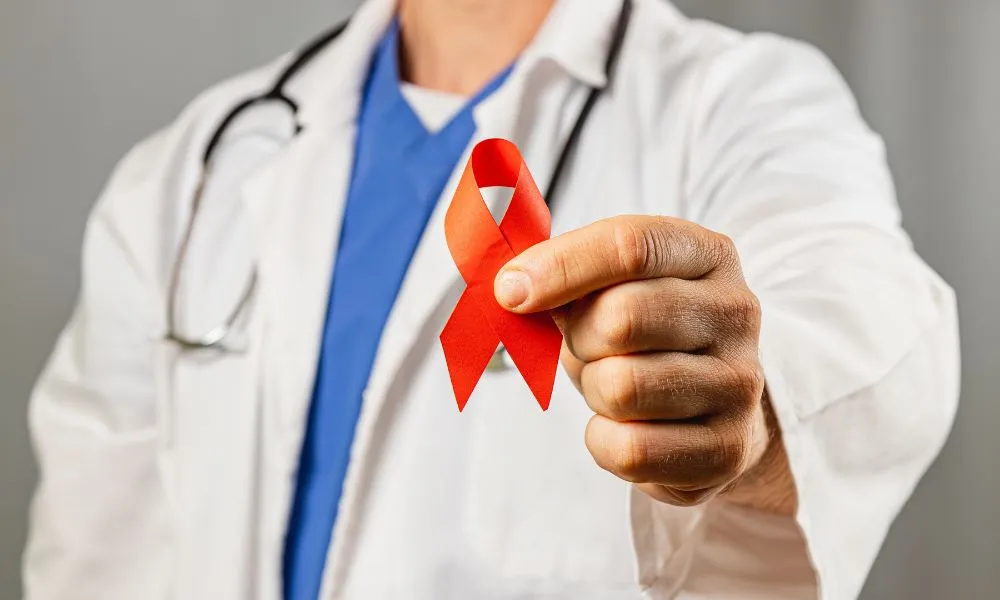
Turkish Cypriot 'health minister' Hakan Dincyurek has urged anyone who suspects they may have been exposed to the virus to undergo testing, stressing that early diagnosis and treatment are essential.
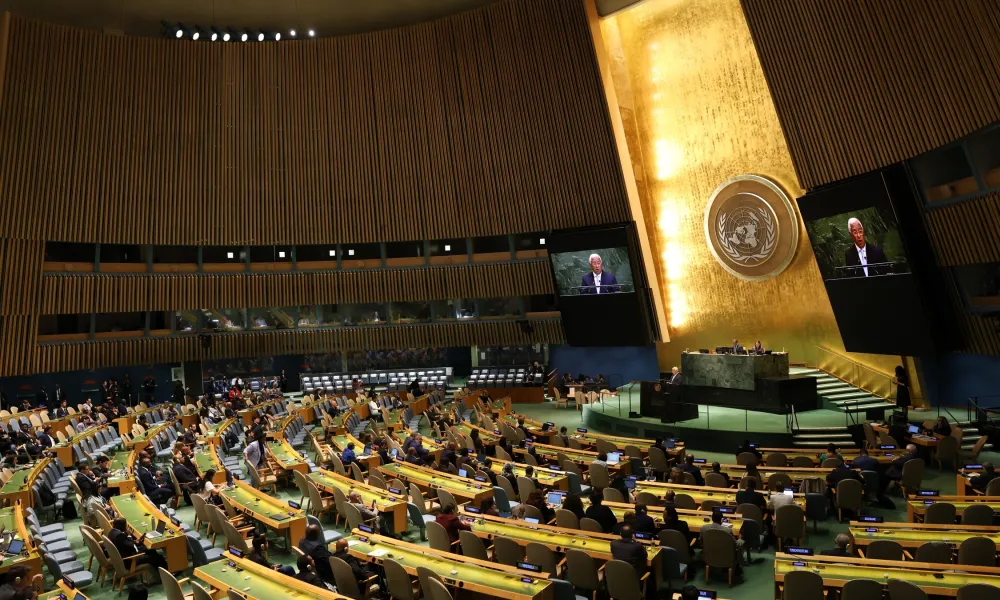
According to Turkish Cypriot media, the issue was also raised in 'parliament' on Tuesday, where criticism was voiced over claims that the woman, who was diagnosed with AIDS, was deported without attempts being made to trace her contacts.
Testing urged
Speaking on Wednesday, Dincyurek said HIV/AIDS is not a new disease and called on individuals who believe they may have been directly or indirectly exposed to seek medical assistance rather than conceal concerns. He added that the authorities would carry out necessary testing.
He also stated that the woman at the centre of the reports in Lefka has begun treatment in her home country and encouraged those worried about potential contact to rely on scientific and medical guidance rather than fear and speculation.
Dincyurek further said that individuals diagnosed with HIV/AIDS who are already residing in the area under student, work or other status would not be deported, contrary to what has been reported in some outlets. He clarified that deportation measures apply only in cases where individuals enter the territory for the first time on student or work permits and are found to have certain infectious diseases, including HIV/AIDS.
The controversy has prompted criticism in 'parliament' particularly over whether adequate contact tracing measures were taken following the diagnosis.
Health officials continue to urge calm, emphasising that anyone concerned about possible exposure should seek testing and follow medical advice.