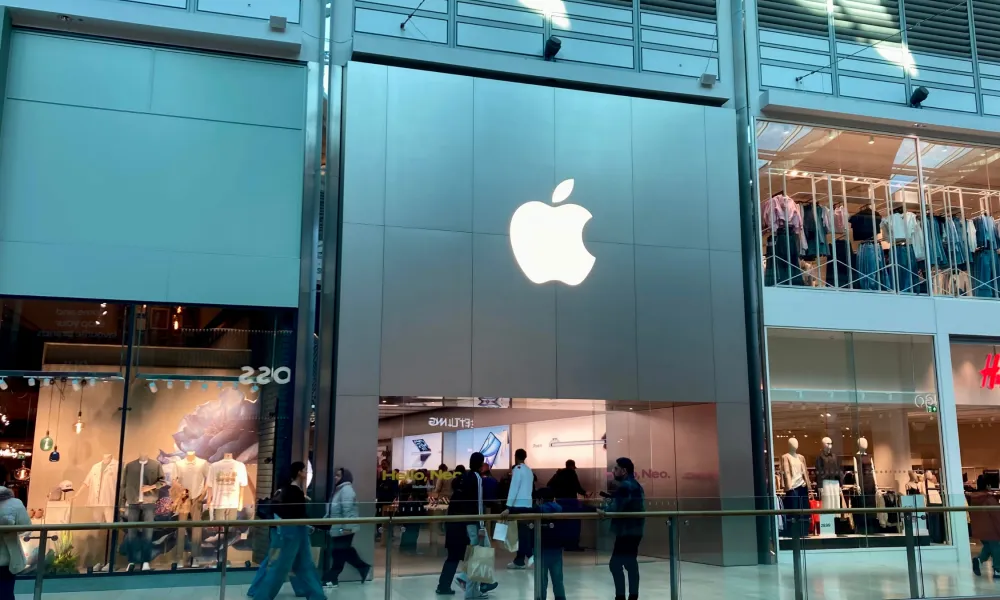



John Ternus formally became Apple's chief executive on Tuesday, taking over from Tim Cook at a moment when the company sits at a record valuation but faces mounting questions about whether it can keep pace in artificial intelligence, according to Apple's own announcement and multiple outlets covering the transition.
Ternus, 51, joined Apple in 2001 and built his career overseeing the company's hardware engineering division, a role in which he had a hand in every generation of iPad, the latest iPhone lineup, AirPods, and the Mac's transition to Apple's own silicon chips, Fortune reported. Apple's board approved the succession unanimously following what the company described as a long-term planning process, with the transition taking effect on 1 September.
A record valuation, and a lot still unresolved
Apple briefly touched a $5 trillion market capitalisation on 28 July, becoming only the second publicly traded company in history to reach that level, according to Bloomberg and CNBC. The stock has climbed roughly 2,275% since Cook took over from Steve Jobs in August 2011, transforming Apple from a company worth less than $350 billion into one valued at several trillion dollars today, Bloomberg reported.
Even so, Ternus takes charge with several pressures unresolved. Apple's Apple Intelligence platform and Vision Pro headset both landed to a lukewarm reception when they launched in 2024, and the company has faced sustained criticism for lagging behind rivals in artificial intelligence. Apple eventually turned to Google's Gemini models to power an overhauled version of Siri, which is expected to debut in beta form alongside the company's first foldable iPhone at a product event scheduled for 9 September, according to reporting on the transition.
The talent and supply chain squeeze
Apple is no longer the default destination for hardware and engineering talent that it once was, with a number of former employees having moved to OpenAI in recent years. The company is also contending with a global shortage of memory chips, as AI companies compete aggressively for limited supply, a cost pressure that has fed through into higher prices for some Apple products.
Cook's new role
Cook, 65, is not leaving the company. He becomes executive chairman of Apple's board, a position in which he is expected to continue managing the company's relationships with the Trump administration and the Chinese government, according to Bloomberg. Arthur Levinson, Apple's non-executive chairman for the past 15 years, becomes lead independent director as part of the same transition.
Cook's tenure is widely regarded as one of the most successful in corporate history. Apple's revenue grew from $108 billion in fiscal 2011 to more than $416 billion in fiscal 2025, and the company's weighting in the S&P 500 rose from under 3.3% to roughly 7.1% over the same period, Bloomberg reported.
Ternus will introduce Apple's foldable iPhone at the 9 September event, his first public appearance as chief executive, while Cook is not expected to take the stage.
Sources: Apple Newsroom, Bloomberg, CNBC, Fortune, 9to5Mac