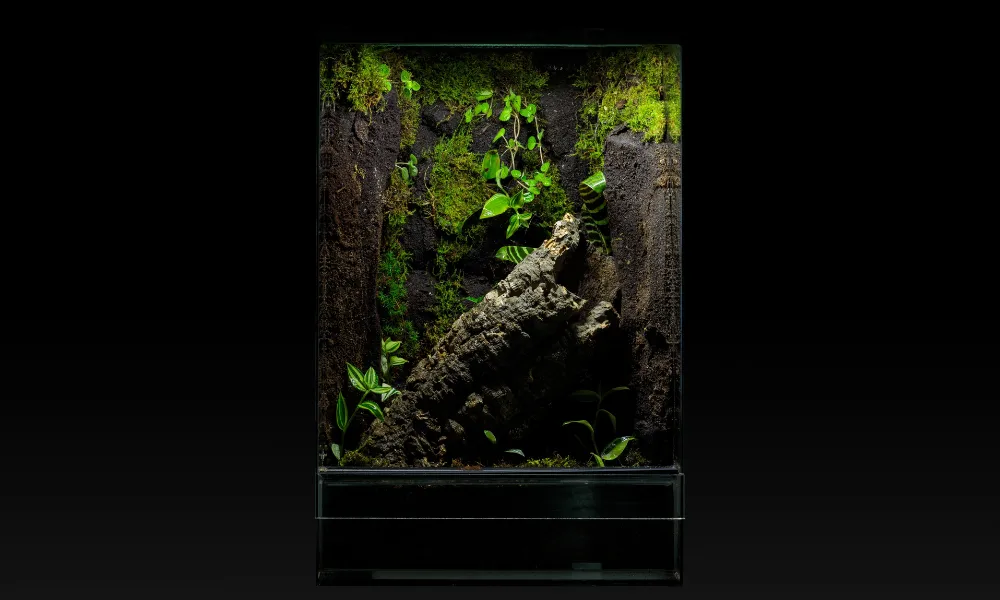

Terrarium pets can appear demanding, particularly when specialised lighting, humidity and live food are involved. However, some species are more manageable than others, making them better choices for people setting up their first enclosure.
The five animals below were selected for their relatively straightforward care, modest space requirements and suitability for captive environments. None is completely maintenance-free, but each can be kept successfully by beginners who research its needs before bringing it home.
1. Leopard gecko
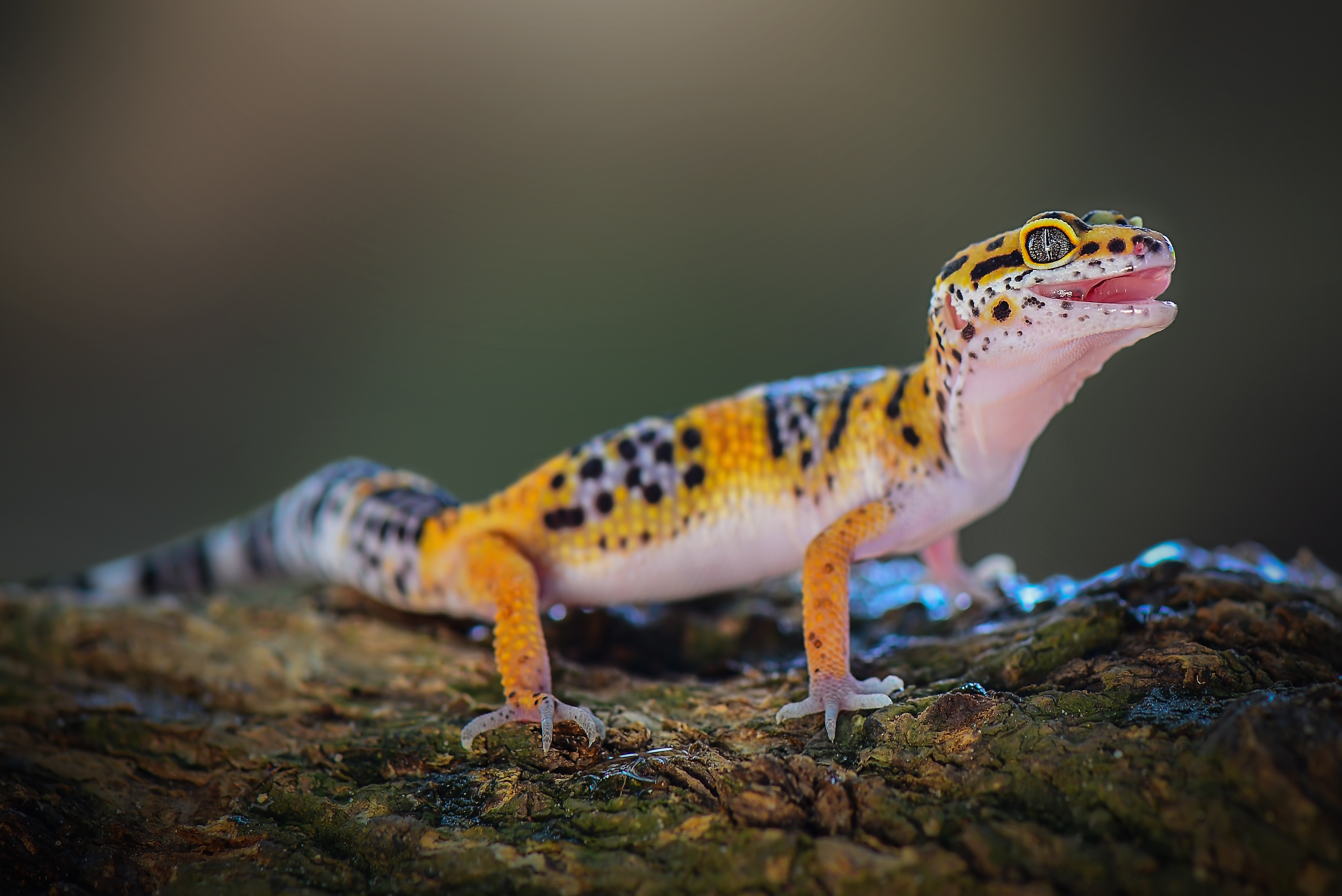
Best for beginners who want a handleable reptile
Leopard geckos are widely regarded as one of the most manageable reptiles for new keepers. They are generally calm, require a dry enclosure and do not need the tall climbing space demanded by arboreal geckos.
Their thick tails store fat reserves, providing a visible indication of their general condition. They can live for 15 to 20 years, meaning they are easier to care for than many reptiles but still represent a long-term commitment.
2. Crested gecko
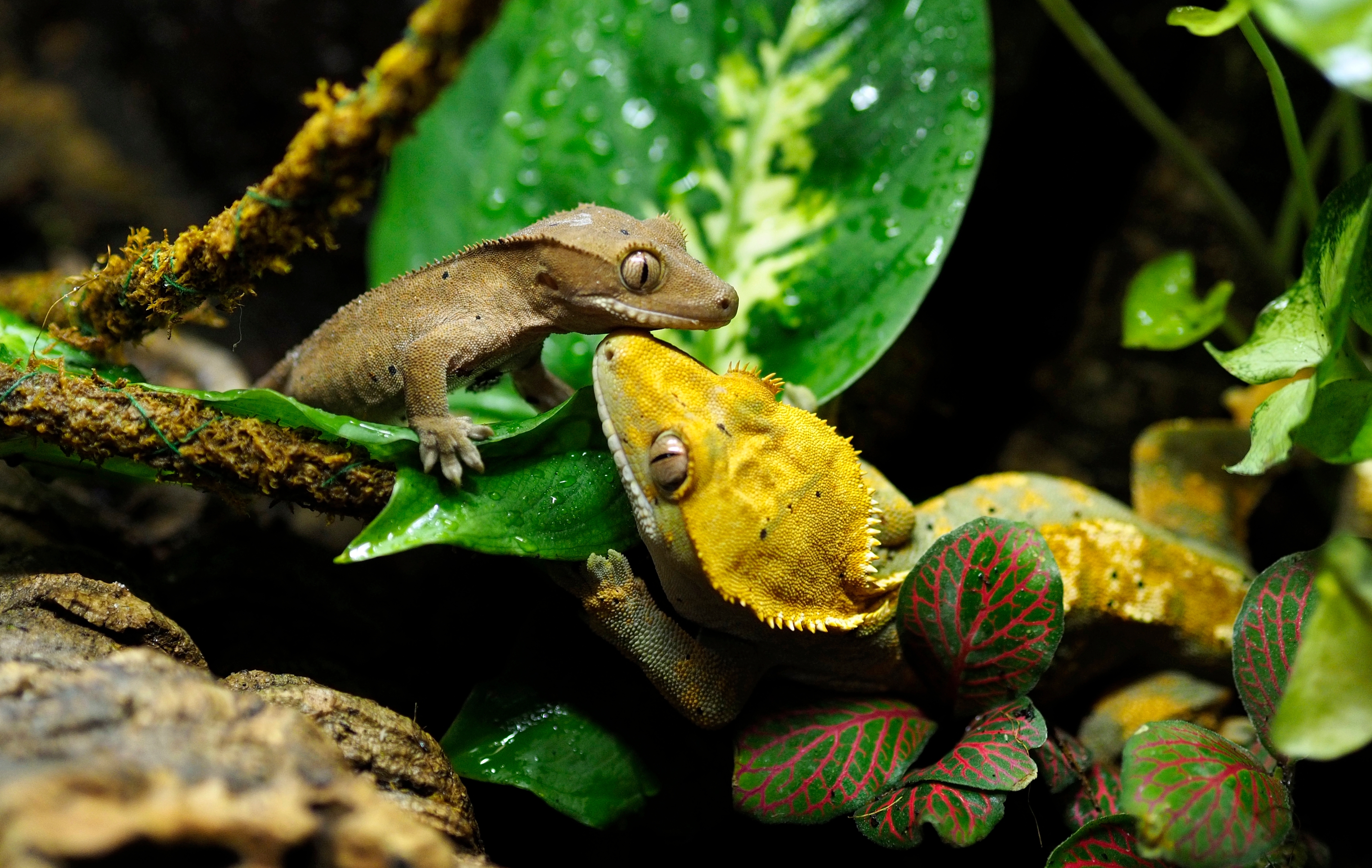
Best for those who prefer a tropical enclosure
Crested geckos are small, relatively calm and can be fed specially prepared commercial diets alongside insects. Their enclosure must be vertical, with branches and plants that allow them to climb.
They were believed to be extinct until their rediscovery in New Caledonia in 1994. Their specialised toe pads allow them to grip glass and other smooth surfaces using microscopic structures that create molecular attraction.
3. Isopods
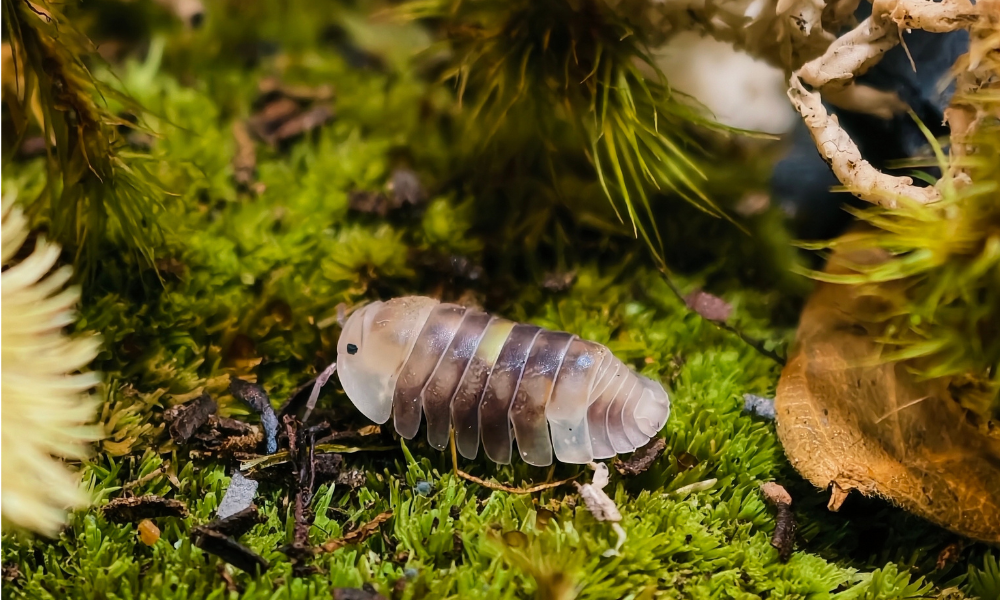
Best for small spaces and bioactive terrariums
Isopods are among the smallest and least demanding animals that can be kept in a terrarium. They feed on decaying leaves, wood and other organic material, helping to break down waste inside bioactive enclosures.
Different varieties display distinctive colours and patterns, making them increasingly popular as pets in their own right. Their enclosure must remain moist enough to protect their specialised breathing structures.
4. Praying mantis
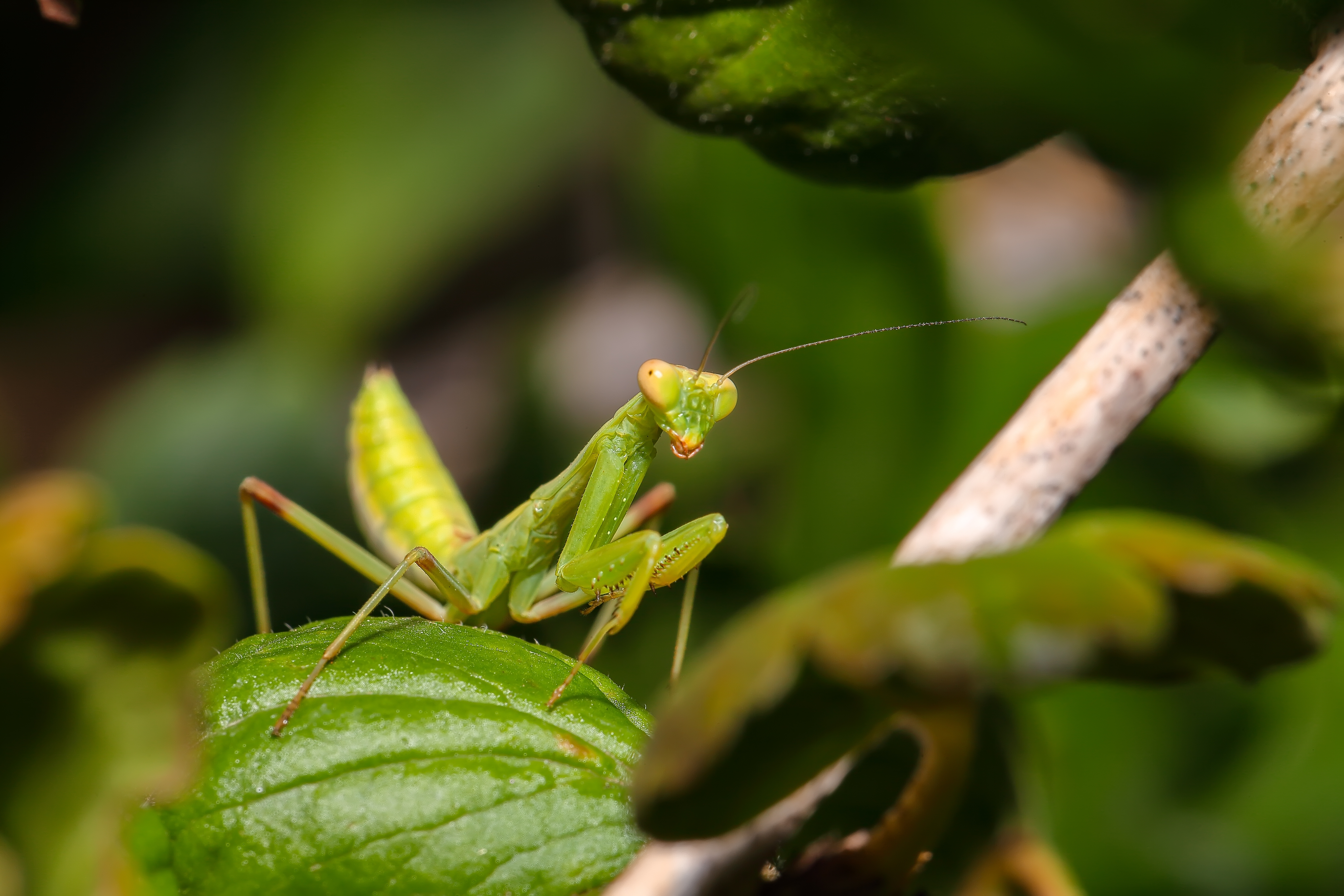
Best for keepers interested in animal behaviour
Praying mantises require relatively little space, although their enclosure must be tall enough for them to hang upside down while moulting. They eat live insects and are usually kept individually.
Their ability to rotate their heads gives them a wide field of vision, while their specialised front legs allow them to capture prey rapidly. Their main disadvantage is their short lifespan, which generally ranges from several months to around a year and a half.
5. Tarantula
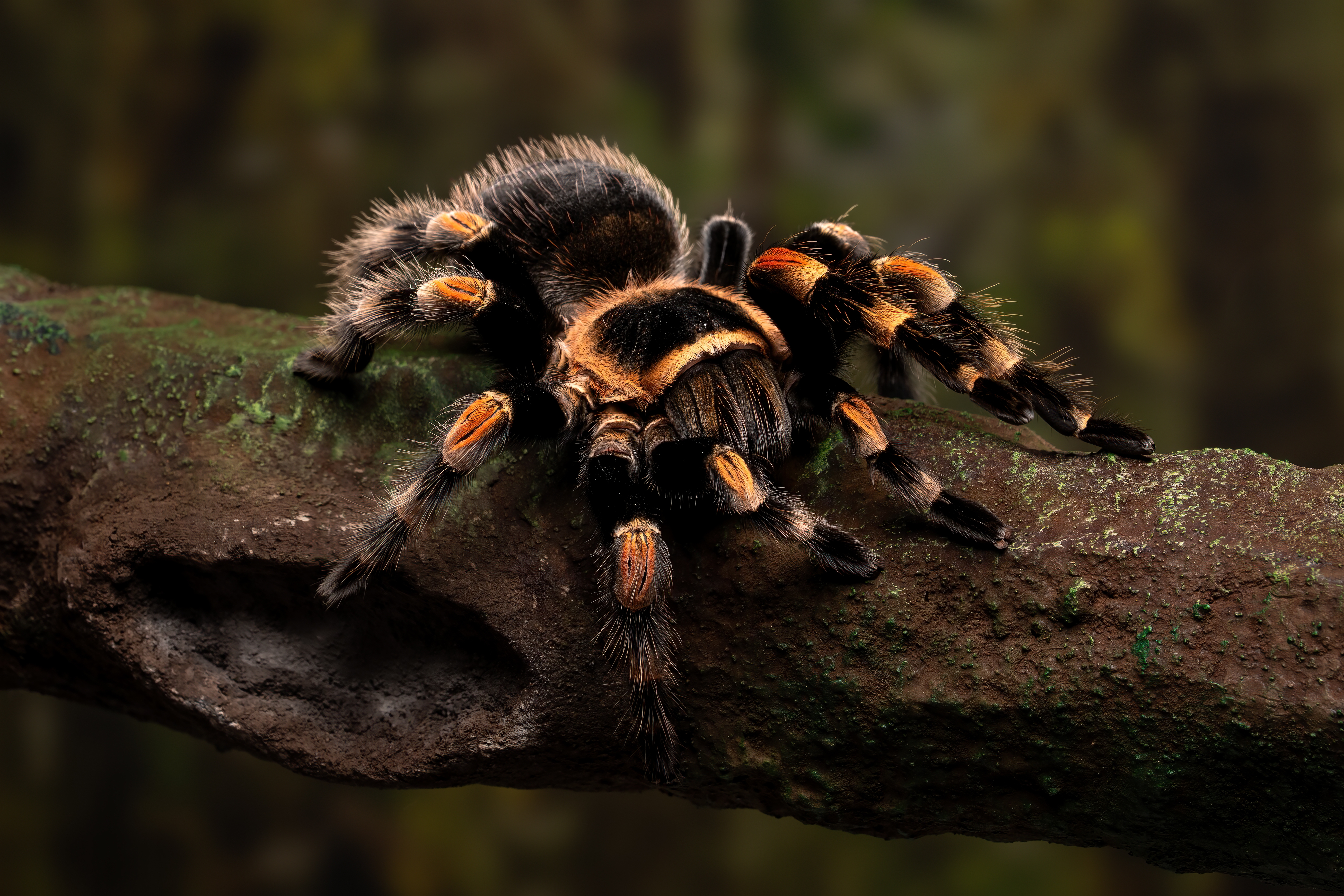
Best for those who want a quiet, low-activity pet
Species such as the Chilean rose and Mexican redknee tarantulas are popular because they are generally less defensive than many other spiders. They require limited space, eat relatively infrequently and spend much of their time remaining still.
They should be observed rather than regularly handled, as falls can seriously injure them. Female tarantulas may live for 20 years or longer, while males usually have considerably shorter lifespans.
What beginners should consider
The easiest terrarium animal depends on the type of pet and enclosure a person wants. Leopard geckos suit those looking for a reptile that tolerates limited handling, while isopods require less space and can live in planted bioactive setups.
Humidity, temperature, diet, adult size and lifespan should all be considered before choosing an animal. A species described as beginner-friendly still requires consistent care and an enclosure designed around its particular biological needs.