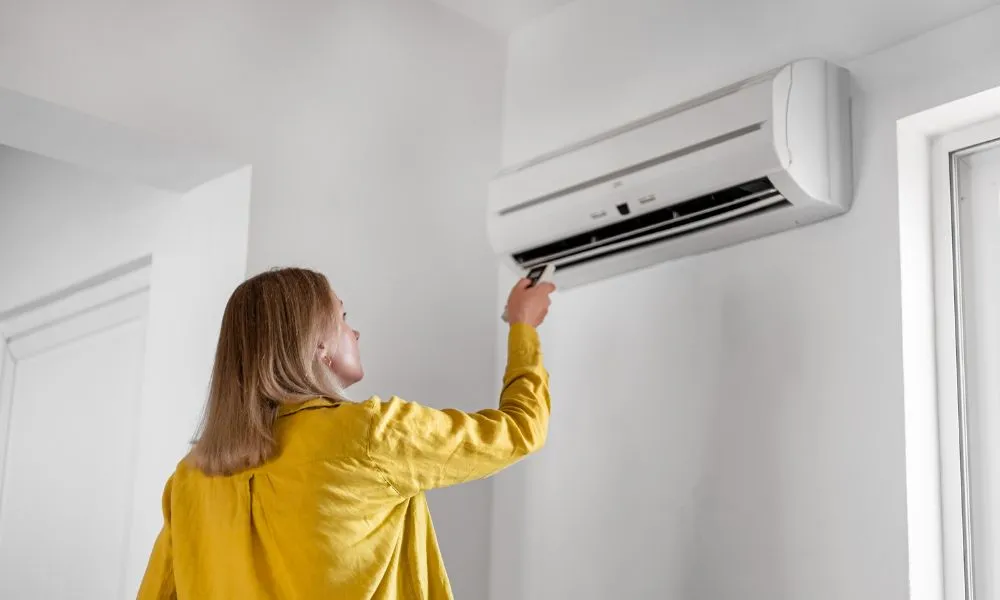

As temperatures rise and heatwaves become more frequent, air conditioners have become an essential “ally” for thousands of households. However, their proper use and maintenance are crucial both for health and for energy efficiency.
Cleaning before first use
One of the most important steps is cleaning the filters. Dust, pollen and microorganisms that accumulate during winter can reduce the efficiency of the unit and affect air quality.
Experts recommend cleaning filters every two to four weeks during periods of heavy use, while a professional inspection once a year is considered necessary.
The right temperature
Many users set very low temperatures, believing this will cool the space faster. In reality, excessive cooling increases electricity consumption and can cause discomfort or even health issues.
The ideal summer temperature is considered to be between 25 and 27 degrees Celsius, depending on conditions and the needs of the space.
Watch electricity consumption
Air conditioners are among the most energy-intensive household appliances. Using high energy-class models and inverter technology can significantly reduce consumption.
At the same time, shading the home, using curtains or shutters and preventing warm air from entering help maintain a cool environment without unnecessarily increasing electricity bills.
Avoid sudden temperature changes
Large temperature differences between indoor and outdoor environments can lead to headaches, muscle pain or respiratory discomfort.
Experts advise that the difference should not exceed 8 to 10 degrees Celsius, especially during periods of intense heat.
Check for leaks and noise
Unusual noises, reduced cooling performance or water leaks are signs that the air conditioner needs technical inspection. Addressing minor issues early can prevent more serious problems and costly repairs.
Useful tips
- Clean filters regularly
- Avoid setting excessively low temperatures
- Keep windows and doors closed while the unit is operating
- Use the timer function where possible
- Schedule annual maintenance with a qualified technician