
A coalition of 201 European businesses and trade organisations is urging the **European Commission to carry out a more comprehensive assessment of the economic and social consequences of proposed changes to EU tobacco and nicotine legislation.
In a letter addressed to Commission President Ursula von der Leyen, the coalition argues that new measures introduced without sufficient evidence could negatively affect jobs, investment and tax revenues across Europe.
The group is seeking a broader impact assessment of proposed revisions to the Tobacco Products Directive and the Tobacco Advertising Directive.
Signatories include organisations representing retailers, tobacco shops, wholesalers, farmers, agri-processing businesses, hospitality operators, packaging companies, manufacturers and sectoral associations.
Public health and competitiveness
The coalition argues that public health objectives and economic competitiveness should be pursued simultaneously through broader consultation and better enforcement of existing rules.
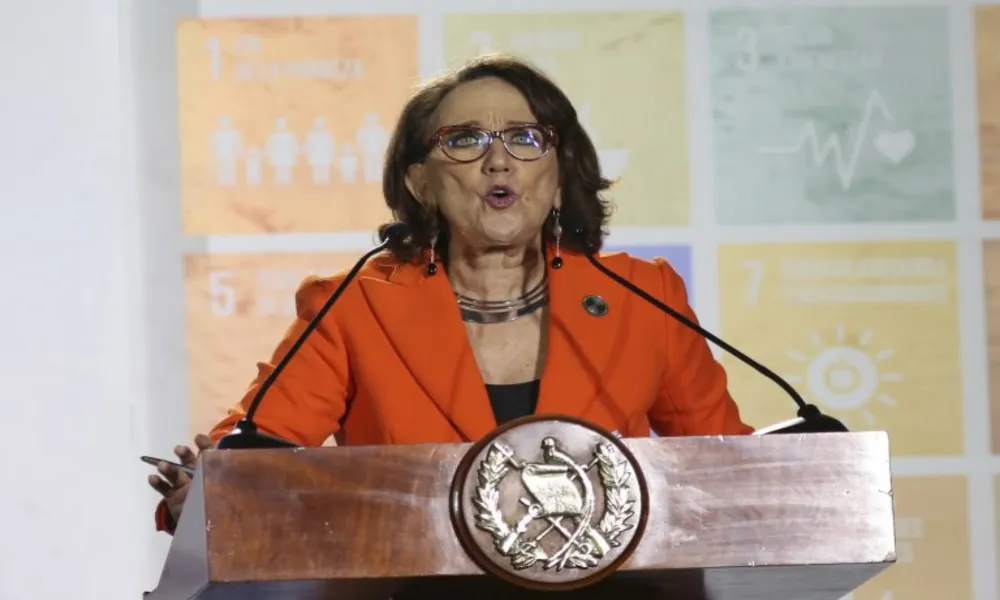
"We are not asking the Commission to abandon its public health ambitions. We are asking it to listen to stakeholders, follow its own rules and ensure that changes are done properly," said Nathalie Darge, secretary-general of Tobacco Europe.
Tobacco Europe represents major manufacturers, including British American Tobacco, JT International and Imperial Brands.
The intervention comes as Brussels considers how to adapt tobacco-control policy to changing market conditions, including the growing use of alternative nicotine products.
Under the EU's Europe's Beating Cancer Plan, the target is to reduce tobacco use to below 5% of the population by 2040.
Calls for deeper impact assessment
The coalition argues that the economic consequences of tighter regulation require closer scrutiny.
Citing a 2023 study by S&P Global Market Intelligence, it says the tobacco and nicotine value chain supports more than 1.5 million jobs, generates over €107 billion annually in excise and VAT revenues, and contributes approximately €195 billion to the EU economy.
However, the coalition acknowledges that these figures represent the sector's overall economic footprint and do not in themselves demonstrate the impact of any specific legislative proposal.
Particular concern was expressed for small businesses and rural communities.
Peter van der Mark, secretary-general of the European Smoking Tobacco Association (ESTA), said many members are family-run businesses struggling with rising costs and ongoing regulatory uncertainty.
Przemysław Noworyta, secretary-general of the European Union of Tobacco Growers, warned that decisions taken in Brussels could have long-term consequences for farming families and disadvantaged rural areas.
The coalition also questioned the process used to prepare the legislative review, citing reports that the Regulatory Scrutiny Board issued a negative opinion on the Commission's 2026 impact assessment following an earlier negative assessment of the existing legislative framework.
Concerns over illicit trade
Illegal trade is another major concern raised by the coalition.
Signatories are urging the Commission to prioritise enforcement of existing legislation, warning that additional restrictions could push consumers towards illegal suppliers.
A report published in September by the European Court of Auditors estimated annual public revenue losses from illicit tobacco trade at €13 billion.
The auditors also noted that reliable estimates of the market's true size remain unavailable and called for improved data collection, stronger cooperation between authorities and more effective enforcement.
The coalition says it is prepared to work with the Commission to develop a proportionate and evidence-based regulatory framework grounded in scientific data.
ECOFIN discussion on Monday
The Tobacco Excise Directive (TED) will be discussed further on 9 November 2026, when Ireland, which currently holds the rotating presidency of the Council of the European Union, asks EU finance ministers meeting under ECOFIN to seek political agreement on the long-delayed reform.
Sweden has blocked previous compromise efforts since June, while the Irish presidency has only one further meeting available before responsibility for the file passes to Lithuania.
The European Commission originally submitted its proposal to revise the directive in July 2025.