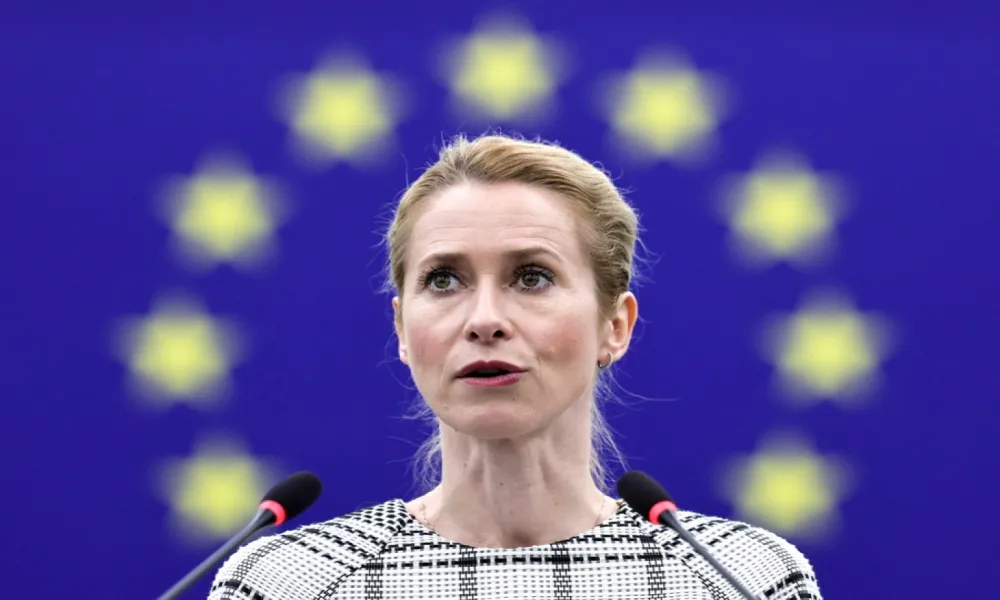

EU foreign policy chief Kaja Kallas has called for evidence that Russia will abide by the recently announced energy ceasefire with Ukraine, while confirming that the European Union is preparing 1,600 new sanctions listings targeting Russia's military industry and activities in occupied Ukrainian territories.
Speaking ahead of Monday's meeting of EU foreign ministers in Luxembourg, Kallas said it remains unclear whether Moscow intends to respect the agreement.
“We have not yet seen that Russia will also respect the ceasefire.”
She added that she would welcome a broader ceasefire that reduces human casualties as well as protecting energy infrastructure.
Focus on energy infrastructure
Kallas stressed that the energy dimension is particularly important with winter approaching, but argued that any agreement should go beyond protecting oil refineries.
She noted that Ukraine has only one refinery, while Russia operates many, suggesting a ceasefire limited to refinery attacks could disproportionately benefit Moscow.
1,600 new sanctions listings
The EU's latest sanctions package would include around 1,600 new listings linked to Russia's military-industrial complex and what Kallas described as Russia's “sham elections” in occupied Ukrainian territories.
“We are continuing on this path because we see that only pressure on Russia can deliver results.”
Kallas reiterated that Russia started the war and argued that pressure must increase if Moscow is to be persuaded to end it.
She said that if Russia halted the war, Ukraine would no longer need to take defensive measures.
Defending sanctions
Responding to criticism about the effectiveness of sanctions, Kallas said EU measures had deprived Russia of approximately €1 trillion in resources that could otherwise have been used to finance the war.
She added that action against Russia's so-called shadow fleet was further limiting Moscow's ability to generate revenue.
At the same time, she acknowledged that Russia continues to develop methods to circumvent sanctions, requiring the EU to adapt its response.
According to Kallas, the bloc has approved new sanctions listings at each of its last ten Foreign Affairs Council meetings.
Call for US coordination
Kallas urged the United States to align more closely with EU and UK sanctions policy.
She said a coordinated approach between Washington, Brussels and London would significantly increase pressure on Moscow.
In particular, she referenced the proposed Graham bill on Russia, arguing that its adoption could help strengthen efforts to end the war.
Elections in Ukraine
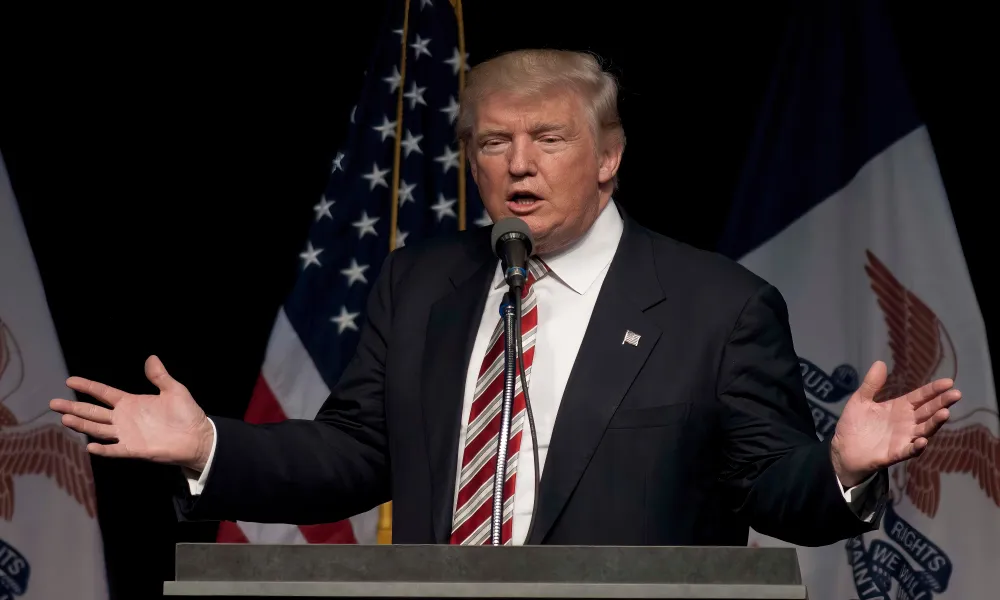
Asked about US President Donald Trump's call for fresh elections in Ukraine, Kallas noted that many constitutions restrict elections during wartime.
She added that Ukrainian President Volodymyr Zelensky has indicated he is willing to hold elections as soon as a ceasefire is in place.
“Elections always involve competition between different groups within a country, while the attacks are coming from outside.”
She stressed the importance of preserving unity in Ukraine while the war continues.
Middle East and Lebanon
Turning to the Middle East, Kallas condemned the recent Houthi attacks on Riyadh airport and expressed condolences to the victims.
She said the EU was examining ways to strengthen Operation ASPIDES following discussions with Saudi Foreign Minister Prince Faisal, with the aim of safeguarding freedom of navigation through the Bab el-Mandeb Strait and ensuring the safe passage of commercial vessels in the Red Sea.
Kallas also announced that the Foreign Affairs Council would consider a proposal for a new EU mission in Lebanon with both civilian and military components.
If approved, the mission could be ready to begin operations within the coming months.
According to Kallas, the initiative has been positively received by local authorities.
Source: CNA