
Reaching a comprehensive negotiating framework for the European Union’s next Multiannual Financial Framework (MFF) for 2028–2034 was one of the Cyprus presidency’s most ambitious goals, and it has now been achieved. After five months of consultations with member states, Cyprus presented in Brussels on Thursday a proposal with concrete figures aimed at advancing negotiations.
The proposal will be discussed by EU leaders at the European Council on 18-19 June. However, northern European countries have already voiced objections, calling for deeper cuts to the bloc’s long-term budget.
The Cyprus presidency is proposing a modest overall reduction of 2% (€32.8 billion) compared with the European Commission’s draft. This would bring the total from €1.763 trillion down to €1.730 trillion.
Under the proposal, the budget would amount to 1.23% of the EU’s gross national income (GNI), or 1.13% excluding repayments for the NextGenerationEU recovery instrument. This compares with the Commission’s proposal of 1.26% of GNI, or 1.15% excluding debt servicing.
According to the presidency, the reduction applies across all spending headings but not in a strictly horizontal manner, reflecting the different structures and constraints of each budget category.
Heading one, which includes cohesion policy, the Common Fisheries Policy and the Common Agricultural Policy, would face the smallest reduction. This reflects the difficulty of further cuts due to national allocations and the fixed cost of servicing NextGenerationEU debt.
The presidency said it had sought to preserve the overall balance between budget headings while maintaining the reformed architecture of the new MFF.
Reactions
“It is economically unsustainable, unbalanced and wrongly prioritised,” Dutch Finance Minister Eelco Heinen said on Thursday following the publication of the Cypriot negotiating document, often referred to in Brussels as the ‘negobox’.
“The overall volume remains too high at a time when fiscal space across Europe is limited and difficult choices are unavoidable,” he added, describing the proposal as a ‘no-go box’ for the Netherlands, in a play on the term ‘negobox’. Germany has expressed similar reservations.
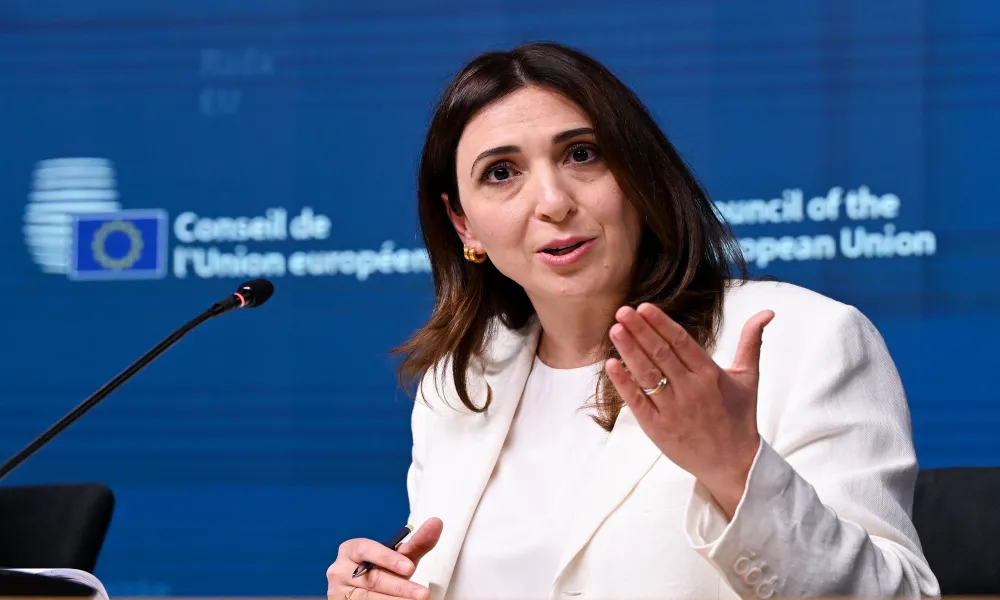
Cyprus Deputy Minister for European Affairs Marilena Raouna defended the proposal, describing it as a “comprehensive and balanced compromise” and a realistic basis for negotiations.
She noted that parallel discussions are already under way on three key sectoral instruments: the National and Regional Partnership Plans, the European Competitiveness Fund and the Global Europe Fund, which finances the EU’s external action.