The confrontation between the Trump administration and Harvard University has intensified again, with President Donald Trump now saying his administration is seeking $1bn in damages from the Ivy League institution. The demand marks a sharp escalation in a dispute that has already seen billions of dollars in federal funding frozen, multiple federal investigations launched and parallel court battles unfolding.
Trump accused Harvard of being “strongly antisemitic” and said the administration wants nothing further to do with the university, signalling a shift away from settlement talks towards a more openly punitive posture.
Open conflict
The standoff has its roots in the administration’s campaign to crack down on what it describes as antisemitism and civil rights violations on university campuses, following protests linked to Israel’s war in Gaza. Harvard became a central target after congressional hearings on campus antisemitism placed its leadership under intense scrutiny.
In April 2025, the administration sent Harvard a sweeping set of demands that went far beyond disciplinary issues. The letter called for changes to admissions and hiring practices, audits of internal data, the dismantling of diversity, equity and inclusion programmes, and the introduction of external oversight tied to so-called viewpoint diversity. Harvard leadership concluded that the demands amounted to direct federal intrusion into academic decision-making.
Within days, Harvard refused to comply.
Funding freezes and legal retaliation
The administration responded by freezing more than $2.2bn in federal research grants and contracts, with a further $9bn flagged for potential review. It also moved to restrict Harvard’s ability to enrol international students and raised the possibility of revoking the university’s tax-exempt status.
Harvard sued, arguing that the administration was attempting to coerce the university into abandoning constitutionally protected academic freedoms. In September, a federal judge blocked the cancellation of $2.2bn in research funding, ruling that the administration had acted unlawfully. The government appealed the decision in December, ensuring the dispute would continue through the courts.
Failed settlements and shifting demands
Behind the scenes, negotiations have repeatedly stalled. The administration initially floated the idea of a settlement involving large-scale investment by Harvard in workforce development programmes. Over time, this hardened into demands for direct cash payments to the federal government.
At one stage, figures of $200m and later $500m were discussed. Harvard resisted treating any payment as a fine, arguing that doing so would imply an admission of wrongdoing and set a dangerous precedent for political leverage over universities.
The latest claim of $1bn in damages appears to have ended any remaining ambiguity about the administration’s direction.
Antisemitism and the constitutional argument
Harvard has acknowledged that antisemitism exists on campus and says it has taken steps to address it. The administration, however, has portrayed the issue as evidence of systemic failure and ideological capture.
Legal scholars, including Harvard law professor Noah Feldman, argue that the administration has bypassed established civil rights enforcement procedures under federal law, which require formal investigations and targeted remedies. They also warn that conditioning federal funding on compliance with political or ideological demands violates First Amendment protections.
Feldman has described the campaign against Harvard as part of a broader effort to bring independent institutions, including universities, the courts and the press, into alignment with presidential authority.
A broader warning to higher education
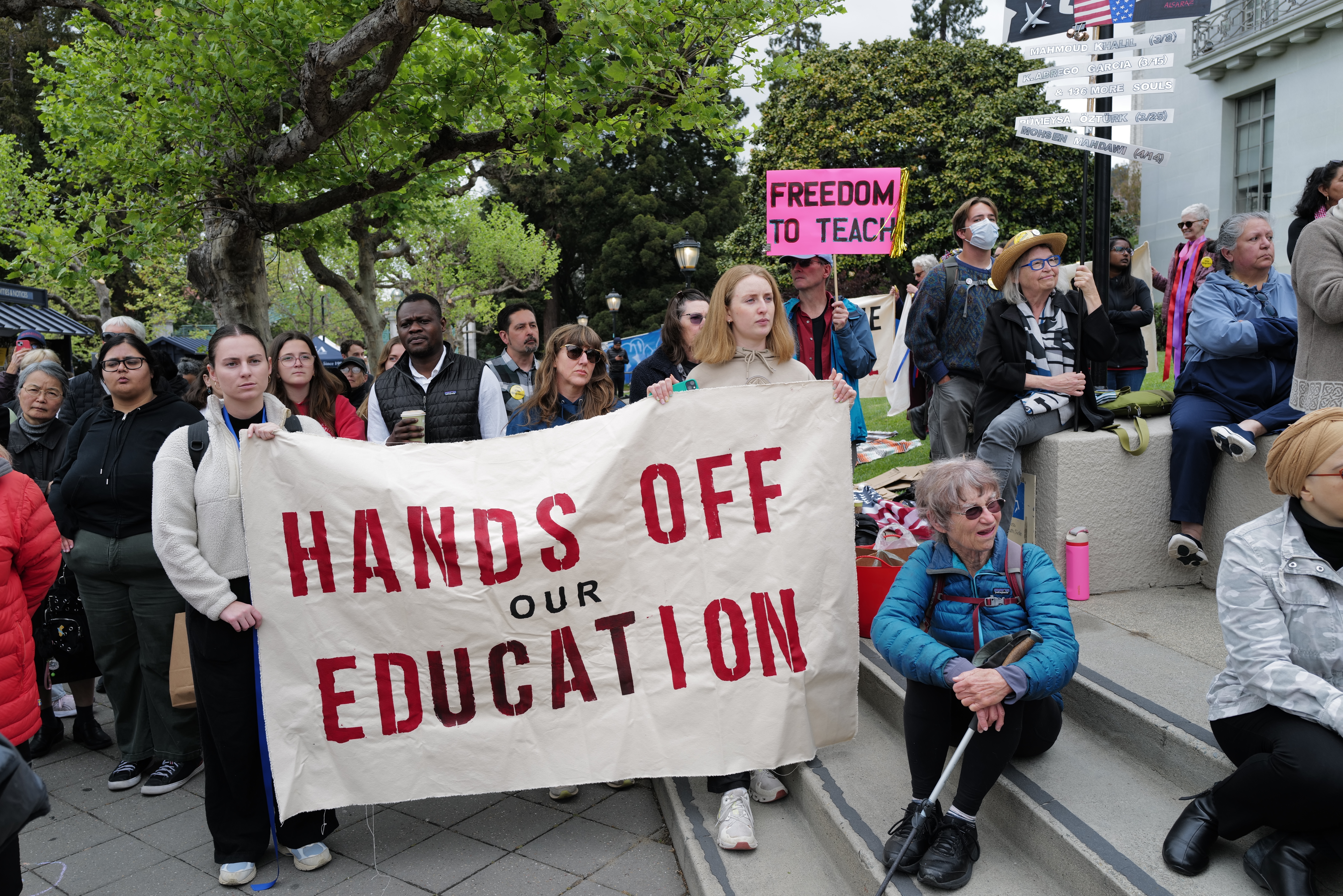
The significance of the dispute extends far beyond Harvard. Other universities have opted for negotiated settlements, accepting fines or compliance mechanisms to restore funding. Harvard’s refusal has turned it into a test case.
If the administration succeeds, it would redefine the federal government’s ability to influence university governance through financial pressure. If it fails, the outcome could impose clear limits on executive power over higher education. With litigation ongoing, appeals pending and a $1bn damages claim now on the table, the dispute has moved decisively from negotiation to confrontation. Harvard has said it will not surrender its independence or constitutional rights. The administration shows little sign of backing down.
What began as a debate over antisemitism on campus has become a defining battle over academic freedom, executive authority and the future relationship between the US government and its universities.