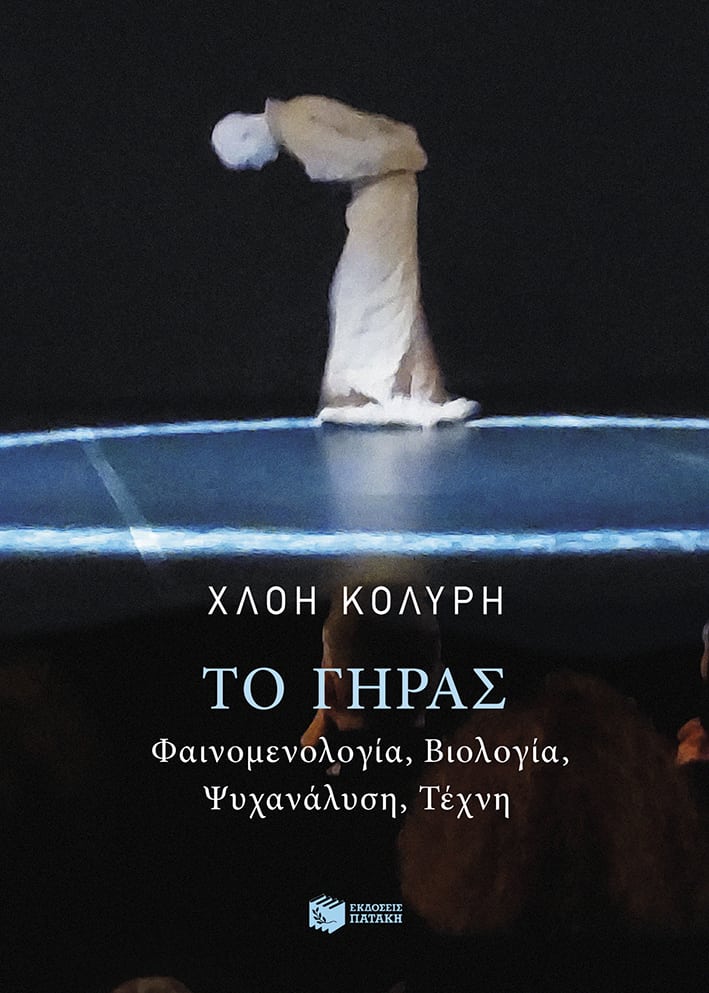
Starting from the idea that ageing is itself a privilege – “I have grown old, therefore I have lived” – the book revisits how perceptions of old age have shifted over time. It raises a central question: how do personal experience and theoretical interpretations of ageing intersect, and where do they diverge?
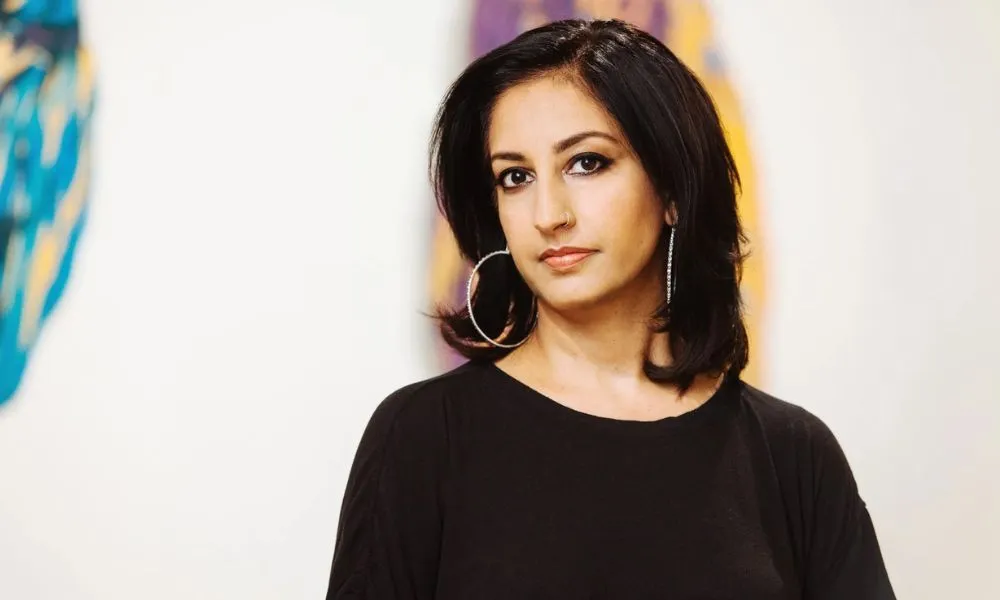
Kolyri, a psychiatrist and psychoanalyst, draws on a diverse range of thinkers – from Spinoza and Hölderlin to Lacan, Simone de Beauvoir and Hannah Arendt – to explore alternative ways of understanding later life. Rather than treating ageing as decline, the book examines it as a stage that can accommodate transformation, creativity and renewed desire.
An interdisciplinary approach
The essay moves fluidly between phenomenology, biology and psychoanalysis, while also incorporating examples from art. This interdisciplinary approach allows Kolyri to connect the lived experience of ageing with broader conceptual frameworks, offering a multilayered account of what it means to grow old.
At the same time, the notion of a “new old age” emerges as a key thread. The book suggests that ageing today can be reimagined, not only in terms of lifespan, but also in relation to autonomy, identity and social participation.
A field of possibility
Kolyri ultimately proposes that old age can act as a point of renewal rather than closure. It may become a space for reorientation and even for new forms of claim‑making – much as gender has been redefined in recent decades.
Through its sharp and reflective analysis, Old Age invites readers to reconsider ageing as an open and dynamic process, shaped as much by interpretation and desire as by biology.