
Cyprus holds a cultural treasure unmatched in the Mediterranean. From Neolithic settlements to Byzantine monuments, the island is a living museum, and its archaeological sites, along with its wider cultural heritage, must be protected with absolute vigilance. Yet many remain unsupervised, left vulnerable to the reckless actions of irresponsible visitors.
Over the past year, two serious incidents have rightly provoked public outrage and highlighted the urgent need for proper protection measures at ancient sites.
The Kourion pornography incident
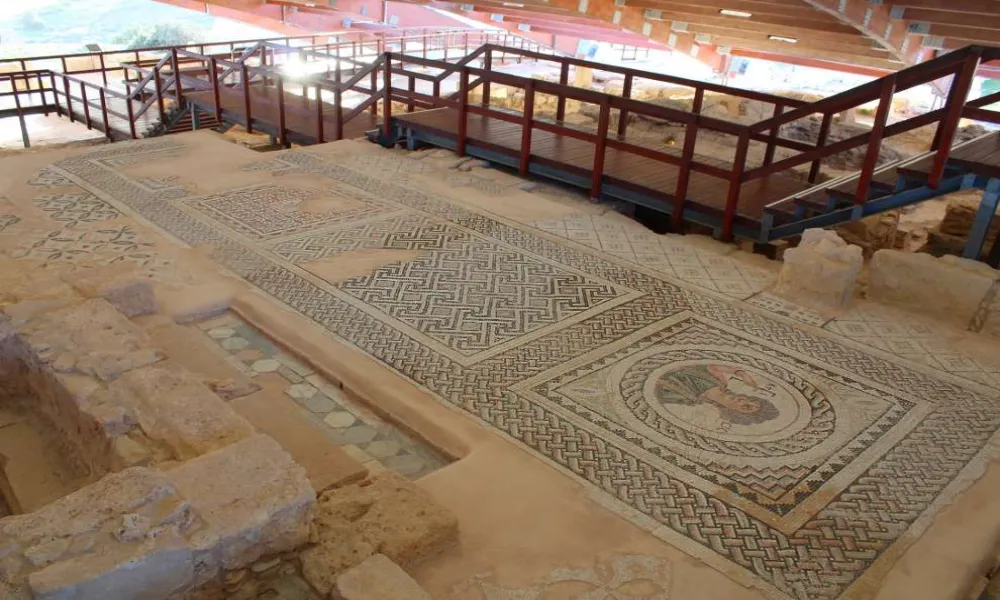
In July 2024, a couple from Poland filmed a pornographic video inside the Ancient Kourion Theatre and uploaded it to a global adult-content platform for profit. The Department of Antiquities reacted sharply, and after interventions the video was removed. However, the damage was done: the incident spread across international media, dragging Cyprus into unwanted negative publicity.
Erasmus students at the Sanctuary of Apollo Hylates
Just two days ago, another disturbing event was recorded at the Sanctuary of Apollo Hylates in Limassol, where Erasmus students climbed onto part of the monument to take photographs, disregarding its historical value. Architect Sotiris Giannakou captured the scene and posted the images on social media. The site had no active supervision; the only staff member was stationed at the entrance issuing tickets, leaving the monument itself unmonitored.

This picture is far from unique. Across many archaeological sites in Cyprus, staffing is minimal, guarding is insufficient, surveillance is non-existent, lighting is poor and monitoring systems are limited or entirely absent. In many cases, “No entry” signs are the only deterrent.
A growing risk to priceless monuments
The lack of on-site supervision has serious consequences. With no one to stop them, careless visitors act freely, resulting in an increasing number of violations that threaten the monuments themselves.
Cyprus, a country that invests heavily in cultural tourism, cannot present itself as incapable of protecting its own history. Every time such an incident goes public, it sends precisely that message to the international community, damaging the country’s image and credibility.
President Christodoulides, Deputy Minister of Culture Vasiliki Kassianidou: the protection of ancient monuments cannot remain theoretical, nor depend on the goodwill of visitors. No one is asking you to reinvent the wheel. What is needed is the immediate adoption of measures that many other countries already use successfully. Simply apply them here. These include:
• Electronic ticketing systems
• Adequate staffing at all archaeological sites throughout operating hours
• Modern surveillance infrastructure: cameras, motion sensors, security lighting and automatic alerts
• Consistent visitor education through signage, leaflets, guided tours and digital tools explaining rules and restrictions
• Strict and deterrent penalties for violators
The state must act without delay. It has a duty and an obligation to protect Cyprus’ cultural heritage and its history.