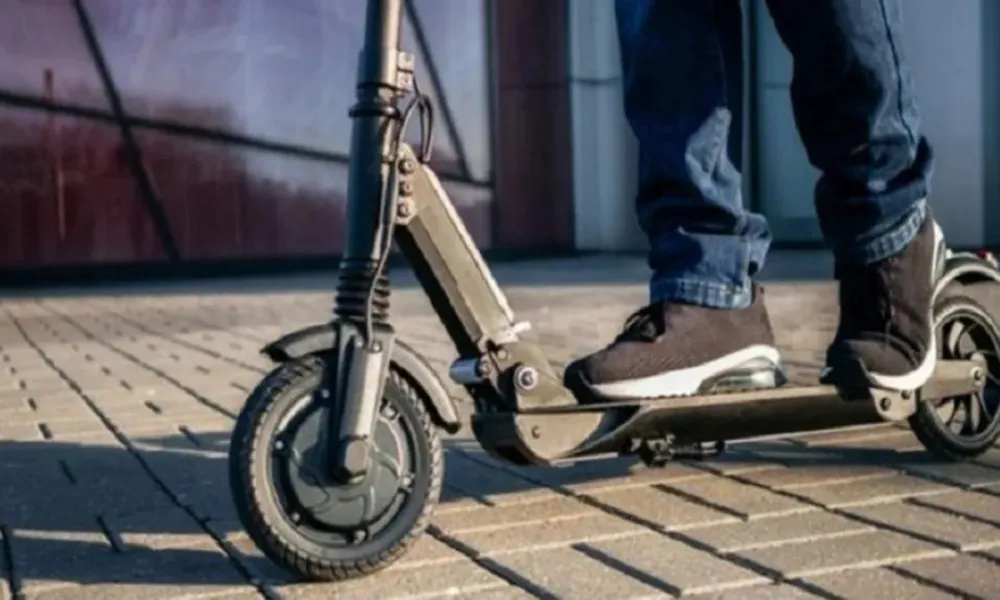
Cyprus’ Parliament has approved legislation raising the minimum age for the use of personal mobility devices, such as e-scooters, to 17.
The move, passed during Thursday’s plenary session, increases the age threshold from 14. Lawmakers also backed additional provisions requiring compliance with European standards and granting police the authority to temporarily confiscate devices in cases of violations.
The approved changes stem from proposals submitted by DISY MPs Fotini Tsiridou and Dimitris Demetriou, alongside separate proposals by Greens leader Stavros Papadouris.
Safety concerns drive debate
Calls for stricter regulation were framed by growing concerns over road safety, particularly involving young users. DIKO MP Alekos Tryfonides, who chairs the House Transport Committee, argued that the current situation poses daily risks, citing frequent incidents involving scooters.
He pushed for a full ban on their use in public spaces, as well as restrictions on businesses offering such services. However, his proposals were rejected, with most stakeholders opposing a blanket prohibition and instead favouring regulation.
Focus on regulation over prohibition
Supporters of the adopted measures stressed the need for structured integration of micromobility into urban transport rather than its elimination.
Tsiridou said the aim is to allow safe use through clear rules and proper infrastructure, describing micromobility as an affordable and environmentally friendly transport option. She noted that the age limit aligns with the minimum for a learner driving licence and is intended as a temporary safeguard until infrastructure improves.
Papadouris highlighted gaps in implementation since the original 2022 legislation, particularly the absence of a registry and insurance framework. While these elements were removed from his proposal due to constitutional concerns, the requirement for European compliance marking and police enforcement powers were retained.
Divisions remain over broader approach
Despite agreement on the age limit, divisions persist over the long-term approach.
AKEL backed the compromise, rejecting what it described as extreme measures such as a full ban, while stressing that the state and municipalities have failed to deliver necessary infrastructure.
Others, including independent MP Costas Efstathiou, supported stricter restrictions, warning that young users are being exposed to unnecessary risk.
Green MP Charalambos Theopemptou took a different stance, arguing that cars, not scooters, are the primary cause of road accidents and urban pollution, and that micromobility should be encouraged rather than restricted.
The legislation reflects a broader attempt to balance safety concerns with the growing role of alternative, low-emission transport in Cyprus, though key issues such as infrastructure and enforcement remain unresolved.
Source: CNA