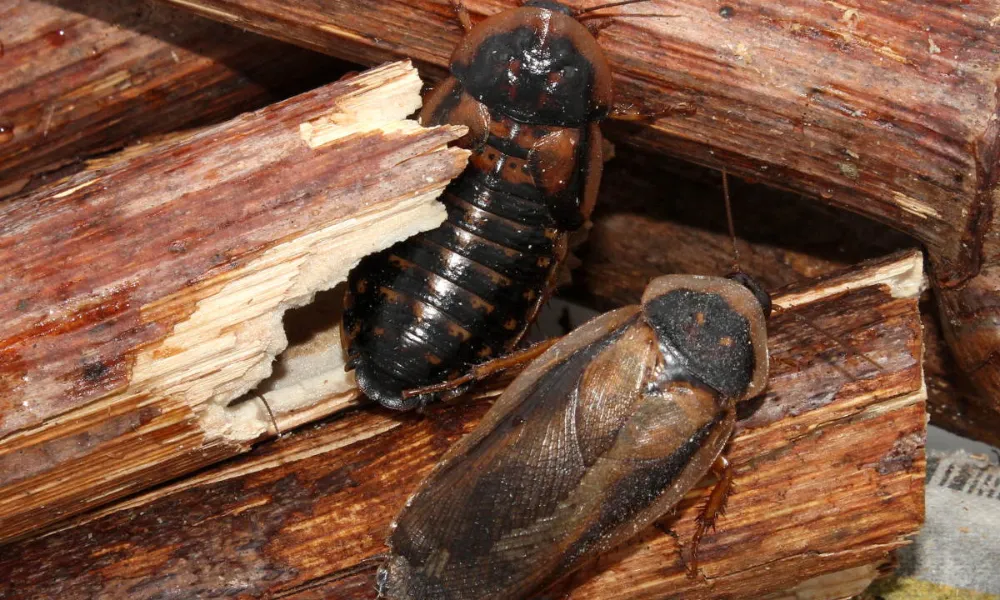

A new scientific study suggests that cockroaches may help scientists develop methods to convert plastic waste into usable energy. Researchers found that the cockroach Blaptica dubia can degrade a significant portion of the plastic it consumes, with its gut microbes playing a central role in the process.
The findings, published in Environmental Science and Ecotechnology, indicate that the insect and its internal microbial community work together to break down polystyrene, one of the most persistent and widely used plastics.
Plastic that persists in the environment
Polystyrene is widely used in products such as foam packaging and takeaway containers. The material is lightweight and inexpensive but can persist in the environment for long periods, particularly after breaking into microplastics.
Once fragmented, polystyrene particles can remain in soil and water, absorb pollutants and move through food chains.
Cockroaches breaking down plastic
The study, conducted by researchers from Harbin Institute of Technology in collaboration with Stanford University, examined how the cockroach processes polystyrene under controlled laboratory conditions.
Each insect consumed about six milligrams of polystyrene per day. Over a 42-day period, researchers reported that approximately 54.9% of the plastic eaten by the insects was degraded.
This corresponds to a degradation rate of about 3.3 milligrams per cockroach per day, which the researchers say is higher than previously reported for other plastic-consuming insects.
Evidence of chemical degradation
Scientists analysed the plastic residues after passing through the insects and found clear chemical changes. Tests showed that the average molecular weight of the polymer decreased by 46.4%, indicating that the plastic chains had been broken into smaller components.
Additional analyses detected oxygen-containing chemical groups and structural changes in the material, suggesting oxidation and fragmentation of the polymer.
The researchers also used carbon isotope tracing and observed changes consistent with biological processes consuming part of the plastic-derived carbon.
Role of gut microbes
Genetic analysis revealed that feeding on polystyrene significantly altered the cockroach’s gut microbiome. Several bacterial groups associated with the breakdown of complex organic compounds became more prominent.
Among the microbes identified were species belonging to the genera Pseudomonas, Citrobacter, Klebsiella and Stenotrophomonas.
These microorganisms appear to initiate the chemical degradation of polystyrene through oxidative reactions.
Cockroach metabolism uses the by-products
The study also examined the cockroach’s own metabolism and found increased activity in pathways related to energy production, including β-oxidation, oxidative phosphorylation and the tricarboxylic acid cycle.
Researchers interpret this as evidence that once the microbes break the plastic into smaller molecules, the cockroach can absorb and use some of those compounds as energy.
According to the study’s corresponding author, Shan-Shan Yang, the findings demonstrate that plastic degradation in insects involves an integrated system combining microbial activity and the host’s metabolism.
Implications for plastic recycling
Researchers emphasise that the discovery does not suggest releasing cockroaches into the environment to address plastic pollution.
Instead, the study highlights how the insect gut functions as a natural system capable of breaking down synthetic polymers. Understanding the microbes, enzymes and metabolic pathways involved could help scientists develop new microbial or synthetic biological methods for recycling or detoxifying plastic waste in controlled settings.
The findings point to the possibility that biological systems could eventually contribute to technologies that convert difficult plastics such as polystyrene into useful products, including fuels.
Source: earth.com