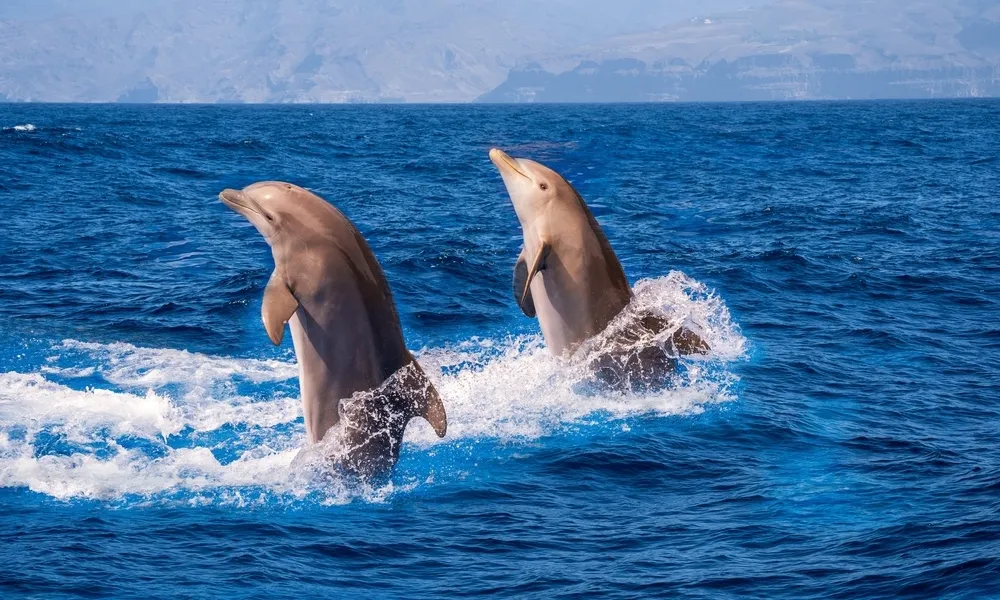

An increased presence of dolphins and other cetaceans has been recorded in the marine areas of Cyprus in recent weeks, according to Euronews, citing an announcement by the Department of Fisheries and Marine Research.
According to the report, a growing number of dolphins and other cetaceans have been spotted in waters around the island, a development described as a positive sign for the eastern Mediterranean, suggesting a recovering marine ecosystem capable of supporting biodiversity.
The development has prompted the authorities to explore additional measures to protect the mammals, which are safeguarded under both national and European legislation, Euronews reports.
Caution urged for vessels
The Department of Fisheries and Marine Research has urged operators of recreational boats, fishing vessels and other watercraft to exercise special care when marine mammals are spotted nearby.
Vessel operators are advised to immediately reduce speed, maintain a steady course and avoid abrupt manoeuvres that could disturb the animals. Authorities stress that chasing, encircling or obstructing dolphins is prohibited, while maintaining a safe distance and avoiding prolonged close contact is strongly recommended.
Particular emphasis is placed on avoiding loud noises, loud music or other activities that may cause stress to the animals. If dolphins approach a vessel on their own, operators are instructed to continue at low speed without attempting to interact with them.
The Department further underlines that harassment, feeding or any interference that affects the natural behaviour of protected species – including moving, breeding or resting – is strictly prohibited and may result in penalties under applicable laws.
Human threats to cetaceans in Mediterranean
The report notes that despite the encouraging sightings, cetaceans in the Mediterranean face significant threats from human activity, with the survival of eight listed species described as hanging in the balance.
Sound pollution is identified as one of the greatest hazards for marine mammals in the eastern Mediterranean. The intensive use of military mid‑frequency sonar during naval exercises, combined with underwater seismic surveys conducted to locate hydrocarbons, is reported to be fatal.
According to Euronews, these intense noises damage the animals’ sensitive echolocation systems, causing internal bleeding and extreme disorientation, and are directly linked to repeated mass strandings of Cuvier’s beaked whales along the Cypriot coast.
Fishing activity poses another major threat, as competition for food brings cetaceans into direct conflict with vessels. Accidental entanglement as bycatch in nets and longlines can lead to drowning, as the mammals are unable to surface to breathe. The situation is further worsened by declining fish stocks due to overfishing and by so‑called ‘ghost gear’ – abandoned fishing equipment that becomes a deadly trap on the seabed.
The report also highlights a sharp increase in maritime traffic within Cyprus’ exclusive economic zone, which has multiplied the risk of accidents. Commercial ships, speedboats and pleasure craft are often responsible for fatal amputations and propeller injuries, prompting the Department of Fisheries and Marine Research to issue urgent recommendations to charterers to reduce speed and avoid approaching pods.
Beyond immediate dangers, Euronews reports that cetaceans are also affected by long‑term environmental degradation. The ingestion of plastics and microplastics can cause fatal blockages in digestive systems, while heavy metals and chemical waste accumulate through the food chain, damaging immune and reproductive systems.