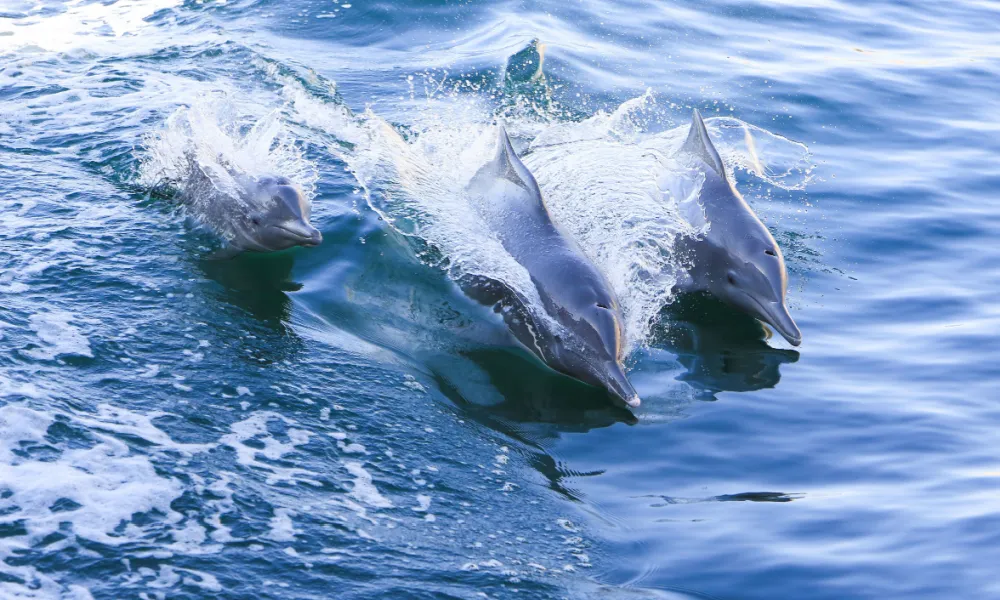
One of the Gulf’s richest marine habitats is facing growing risk as tensions linked to the Iran conflict continue to disrupt one of the world’s busiest waterways.
The Strait of Hormuz, a critical route for global oil shipments, also supports a diverse underwater ecosystem. Scientists are warning that prolonged instability, combined with the risk of oil pollution, could cause lasting environmental damage.
Although a temporary ceasefire led to the reopening of the strait, thousands of vessels remain in the Gulf, collectively carrying vast quantities of oil. Attacks on shipping since the start of the conflict have raised the likelihood of spills, increasing concern among environmental groups and researchers.
Monitoring by Greenpeace has identified repeated oil slicks in the area. One of the most concerning cases involves the Iranian vessel Shahid Bagheri, damaged in a US strike earlier this year, which continues to leak oil near the Khuran Strait, close to ecologically sensitive wetlands.
A critical marine junction
The Strait of Hormuz lies between Iran to the north and Oman and the United Arab Emirates to the south, forming a transition zone between two very different marine environments. Cooler, deeper waters from the Gulf of Oman mix with the warmer, shallower Persian Gulf, creating conditions that support high biological productivity.
These nutrient flows sustain plankton growth and coral reef systems, which in turn attract a wide range of marine species. The surrounding coastline, particularly Oman’s Musandam Peninsula, has long been known for its marine tourism, including diving and dolphin-watching.
The region also serves as a breeding and feeding ground for several species. Sea turtles nest along nearby shores, while the waters are home to dugongs, sea snakes and the rare Arabian humpback whale, a non-migratory population found only in this part of the world.
Coral reefs in the strait are among the most resilient in the Gulf. Despite extreme seasonal temperatures and high salinity levels that would normally damage marine life, these corals have adapted and survived repeated bleaching events. Scientists see them as a potential model for how reefs might cope with climate change.
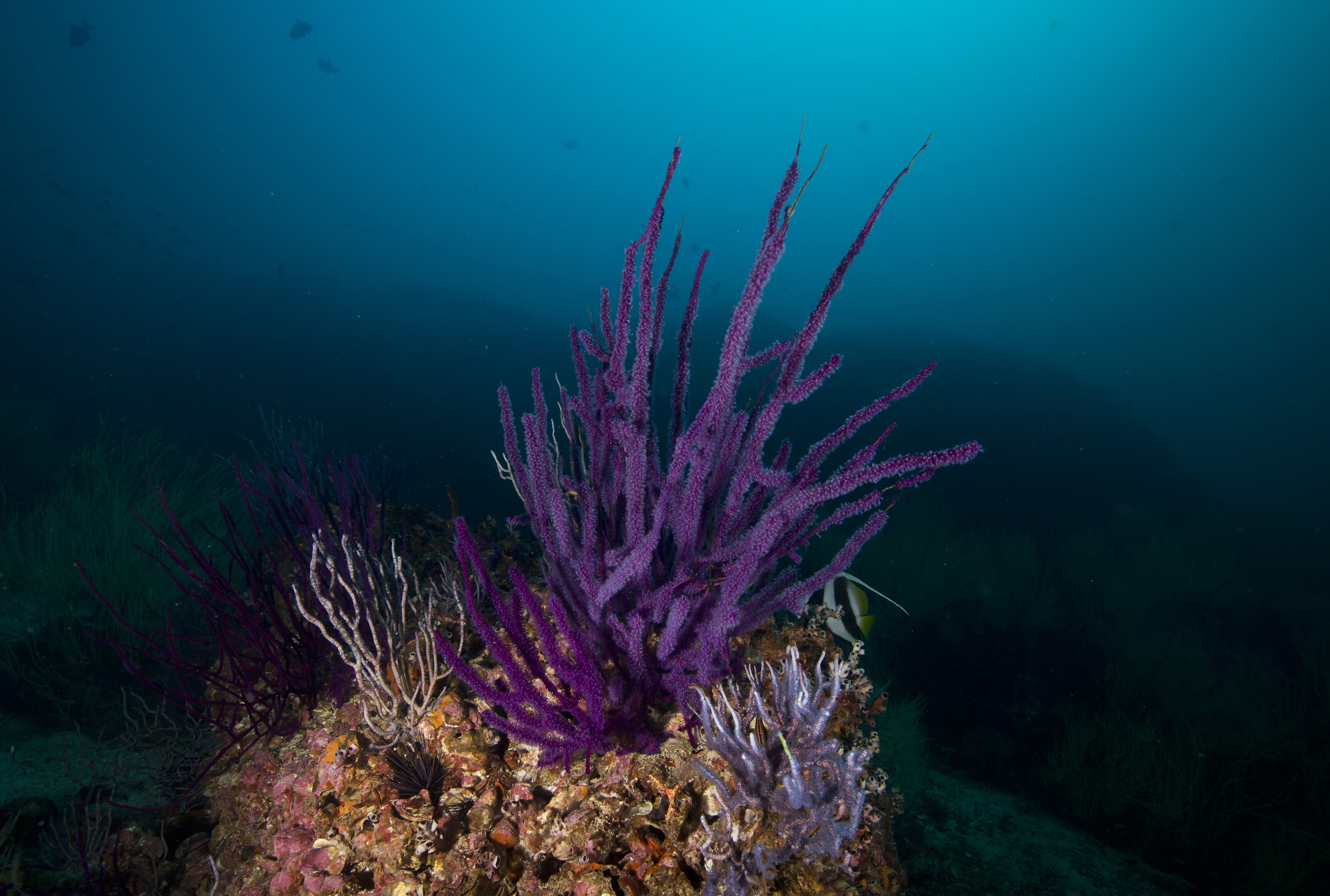
Colourful purple soft coral fronds against a blue sea background on a coral encrusted rock on a coral reef on an offshore island in the Musandam peninsula, Oman, in the straits of Hormuz
Impact of oil pollution on marine life
Researchers warn that oil exposure can have serious consequences for marine organisms. Toxic compounds in crude oil can interfere with heart and lung function, weaken immune systems and increase vulnerability to disease.
Oil also affects how animals perceive their environment. Damage to sensory systems can impair their ability to detect predators, locate food or navigate, with consequences that extend beyond individual species to the wider ecosystem.
Surface oil poses a direct threat to animals that need to breathe air, such as dolphins and turtles. At the same time, chemicals released into the water can be absorbed by fish and corals, affecting their health and reproduction.
The strait and surrounding waters support a broad range of species, including Indo-Pacific dolphins, migratory whale sharks and endangered sea turtles that use offshore islands as nesting sites. Mangrove forests along the coast also play a key ecological role, though they can be damaged if oil covers their exposed root systems.
Further away, extensive seagrass beds near Abu Dhabi and Qatar sustain one of the largest dugong populations globally. While these habitats are not yet directly affected, scientists warn that a major spill could spread beyond the immediate conflict zone.
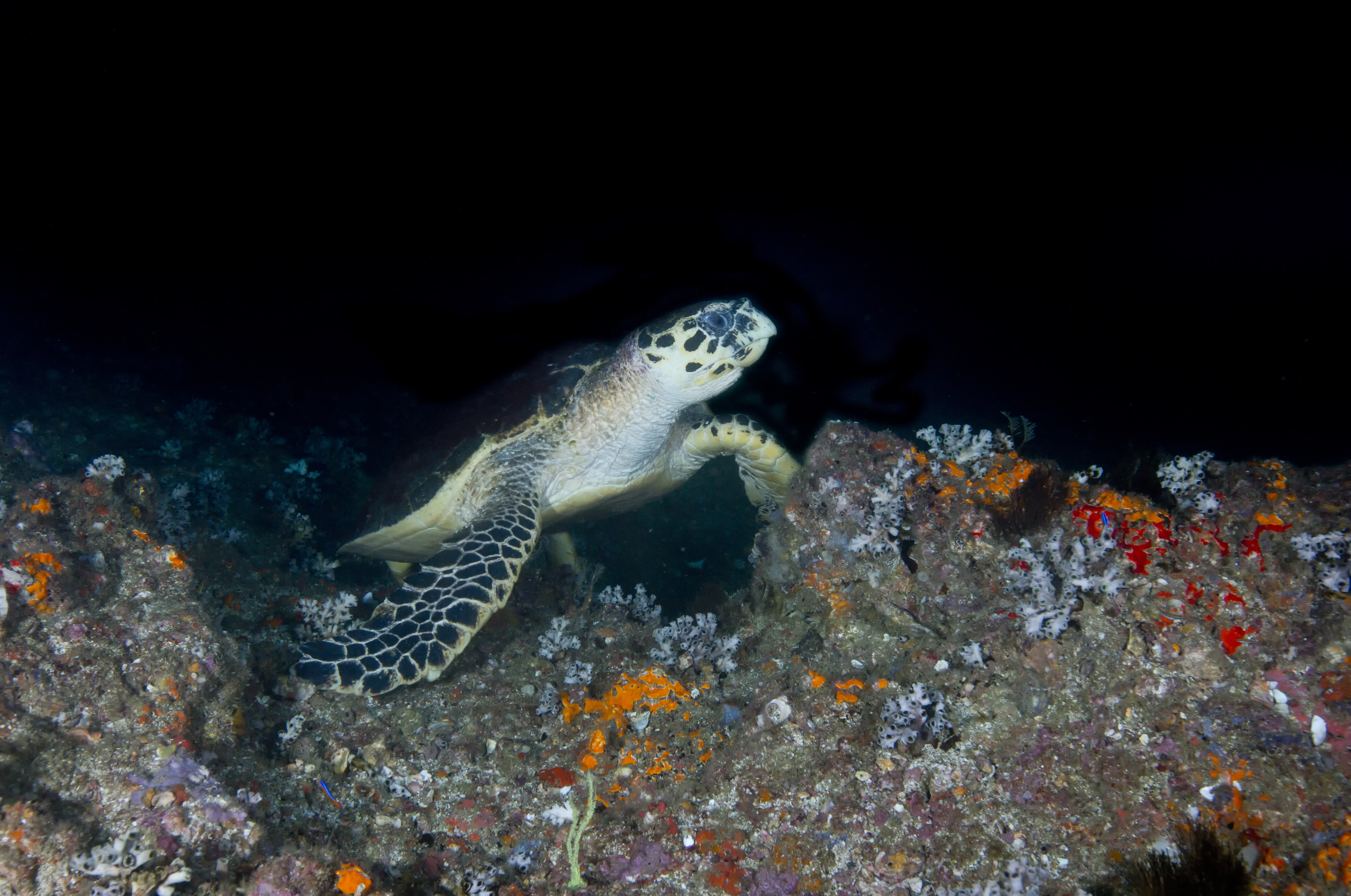
A cute curious single Green Turtle (Chelonia mydas) sitting on a coral encrusted rock background on a coral reef on an offshore island in the Musandam peninsula, Oman, in the straits of Hormuz
Mounting environmental pressure
The effects of oil contamination are not always immediate, but they can reduce survival and reproduction over time. Even low-level exposure can alter behaviour and weaken marine species, making ecosystems more fragile.
As shipping traffic remains disrupted and the risk of further incidents persists, experts warn that environmental damage could accumulate. Each spill adds to the strain on a system already coping with climate pressures.
The Strait of Hormuz is both a strategic energy corridor and a vital ecological zone. As the conflict continues, scientists caution that the environmental impact may prove to be one of its most enduring consequences.
Source: CNN