


A three-phase simulation exercise based on a hypothetical scenario involving the activation of the EU's mutual defence clause will take place in May in Brussels, with the participation of the European Commission, member states and their embassies, according to diplomatic sources. The exercise, the same sources say, forms part of an effort to develop an operational response mechanism should the clause be triggered, with the aim of identifying any gaps and mapping member states' capabilities in real time. The initiative follows a political mandate issued to the European Commission on Thursday by the Informal European Council, which convened on 23 and 24 April in Cyprus, to proceed with the preparation of a response plan in the event that a member state invokes the mutual defence clause.
Why the clause has remained largely dormant
This framework, according to diplomatic sources, comes in the wake of longstanding discussion about the persistent implementation gaps in the provision, which was invoked for the first and only time in 2015 by France following terrorist attacks. Despite subsequent legal and institutional assessments, including a Council of the EU opinion in 2016 and related Commission documents, no comprehensive operational coordination mechanism has to date been established.
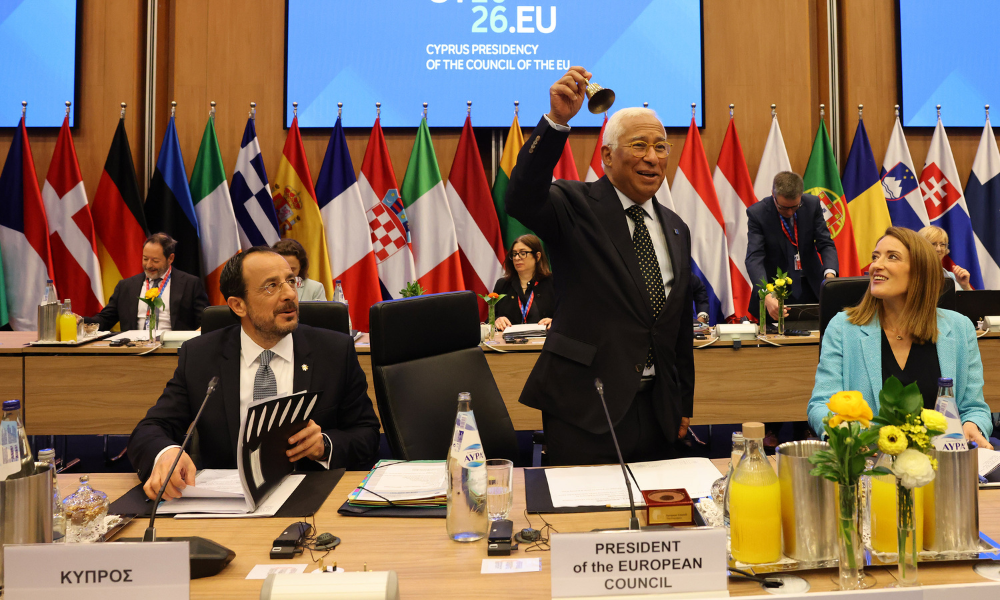
Diplomatic sources indicate that Cyprus has raised the issue, arguing that the clause constitutes a legal obligation to provide assistance rather than a political choice left to member states. The relevant legal analysis by the Council confirms, according to those sources, that member states are obliged to render aid within their means in the event of an armed attack on the territory of another member state.
What the exercise is designed to address
The core operational gap identified, according to the same sources, concerns the absence of a mechanism to record and coordinate in real time what a requesting member state needs, what other states can provide, and how assistance can be organised on the ground. In this context, the Commission is expected to develop an activation "playbook" intended to function as a procedural tool rather than a binding final document. Member states are treating the process, sources note, as an effort to transform the clause from a theoretical treaty provision into a practically applicable mechanism, so as to avoid delays or fragmented responses in the event of a crisis.
Diplomatic sources also make clear that the mutual defence clause is neither a substitute for Nato nor a solidarity clause, but a legally binding obligation of assistance among EU member states.
Source: CNA