
Go ahead and hold your Radiomarathon. Take your photographs. Hand over your cheques. But before the next one comes around, make sure you also do the job taxpayers pay you for or voters elected you to do.
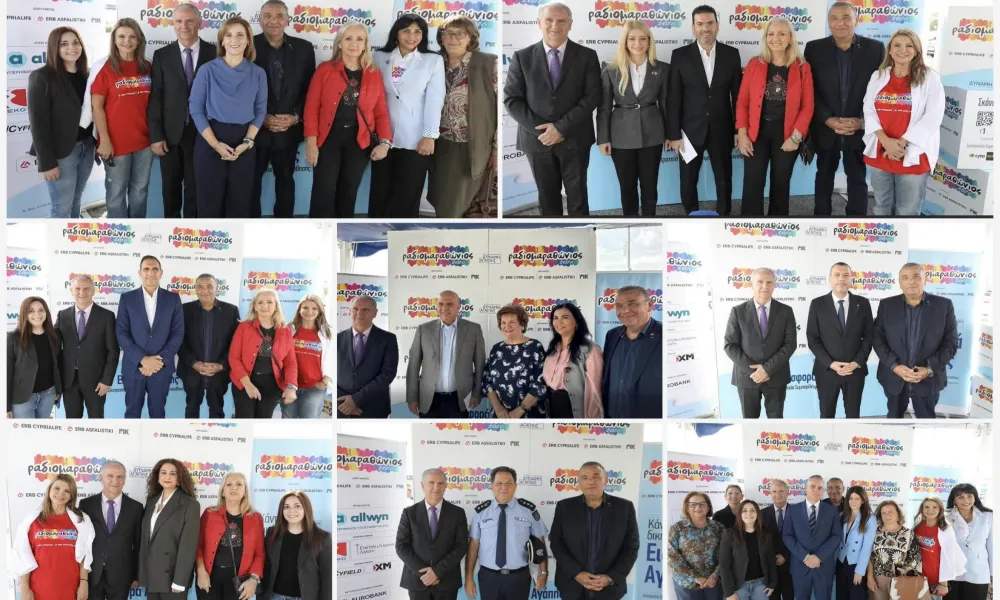
Once again this year, we watched the Radiomarathon take to the streets. Stands, collection boxes, oversized cheques, photographs and the customary statements about love and solidarity. Every year, the same scene.
On one side, the Radiomarathon. On the other, the criticism that in 2026 we are still organising fundraisers for people with disabilities.
And what about those responsible for public policy? Nobody seems particularly bothered. After all, it is a perfect opportunity for ministers, MPs and other officials to pose for photographs and show how much they care.
Since you insist on continuing with the Radiomarathon, then by all means continue. But before you next hand over a cheque and ask citizens to contribute from what little they have, make sure you also do the work you are paid or elected to do.
You could:
- Create day-care facilities for adults with disabilities.
- Provide supported-living arrangements so parents do not lie awake wondering what will happen to their children when they die. A nursing home is not the answer.
- Provide personal assistants and home-support services. Independent living should not mean lifelong dependence on relatives.
- Introduce allowances and insurance coverage for informal carers, alongside respite-care services. Families cannot carry the entire burden on their own.
- Build cities with safe pavements, ramps, tactile paving, audible traffic signals and accessible buses. A person should be able to get to a kiosk without needing an escort.
- Impose stricter penalties for parking on ramps, tactile paving and designated disabled parking bays. Inform your police officers too that patrol cars are not automatically exempt.
- Enforce accessibility requirements in public buildings, medical practices, shops and leisure venues through inspections and sanctions. Saying "everyone is welcome" is meaningless if people cannot get through the door.
- Equip healthcare services with accessible examination beds and diagnostic equipment so patients do not have to search an entire district to receive basic care.
- Hire Cypriot Sign Language interpreters for hospitals, police stations and other critical services.
- Ensure there are enough interpreters so deaf students do not miss lessons when one interpreter falls ill.
- Teach sign language in schools and meaningfully incorporate disability awareness into education.
- Make schools accessible, with lifts that function every day and not only when someone remembers to repair them.
- End the exclusion of children from school trips. If the bus or venue is inaccessible, change the bus or the venue, not the child.
- Include people with disabilities in decisions affecting their lives, not only in photographs.
The list could go on.
Nobody is asking for everything to be solved within one year. What we are asking for are timelines, budgets and action.
At the Radiomarathon in 2027, and we all know it will take place despite the criticism, instead of counting how much money was raised, let us count how many of the above measures were implemented.
Because a cheque can buy a photograph.
It cannot buy an excuse for inaction.
P.S. One final request to the organisers.
The next time you set up Radiomarathon stands, pay attention to where you place them.
Judging from photographs of this year's event, some appeared to have been erected directly on tactile paving used by blind pedestrians.
At the very least, if only for the sake of appearances, let us avoid obstructing access for the very people for whom we supposedly organise an entire campaign of inclusion.