
Calls for young people to return to Cyprus' mountain villages ring hollow when many still struggle to build homes, access services or find stable employment.
The reality facing communities across Troodos remains stark. While the state subsidises elderly care, carers are often unavailable. It seeks to keep schools open, yet the future of a class can depend on a single pupil. Such challenges continue to define life in rural Cyprus despite repeated government announcements and development plans.
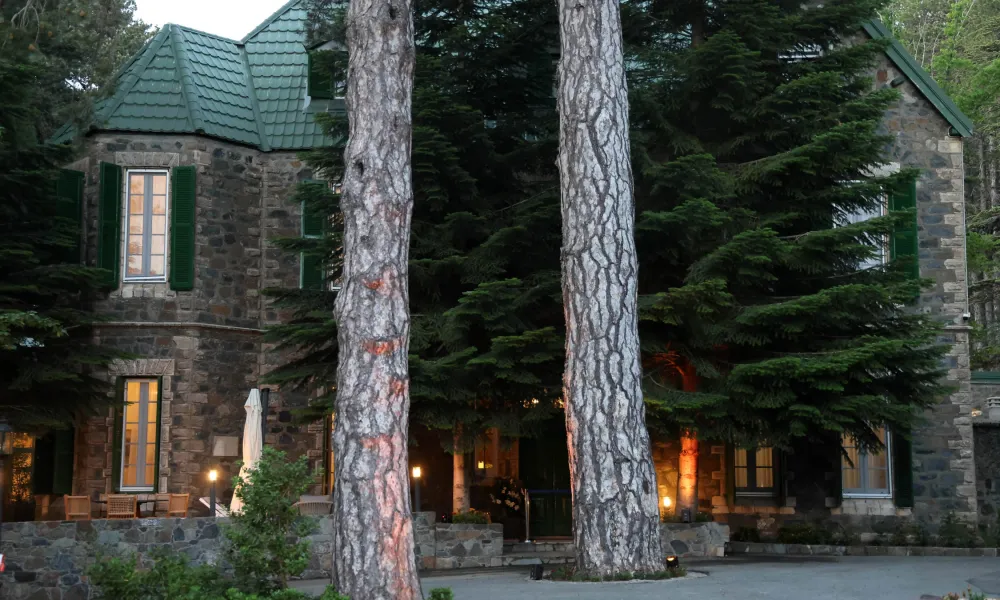
A recent Politis reporting trip to the Solea and Marathasa regions highlighted a deeper problem: the state's ongoing failure to recognise that mountain communities cannot operate under the same conditions as urban centres.
The National Strategy for Troodos is undoubtedly a positive initiative. Yet no strategy can succeed if public services remain understaffed, businesses are constrained by bureaucracy and families must travel long distances to meet basic needs.
President Nikos Christodoulides recently set the goal of doubling the population of mountain communities and Tylliria over the next decade. It is an ambitious target, but one that raises fundamental questions. How will young families settle in villages without adequate healthcare, educational opportunities and professional prospects?
Troodos needs more than improved roads and increased weekend tourism. It needs permanent residents. And for people to remain in their communities, they must be able to live there with dignity every day of the week.
That requires tailored planning regulations, meaningful tax incentives, properly staffed public services and policies designed around the realities of geographic isolation.
Above all, it requires a shift in mindset. Maintaining life in rural communities should not be viewed as a cost that must constantly be justified through population figures. It is an investment in social cohesion, local production and the future of the countryside.
Because once a village empties, bringing it back to life becomes increasingly difficult. And every family that leaves represents another setback for public policy.
The revitalisation of rural Cyprus should ultimately be measured by the number of people who return, not by the number of announcements that are made.