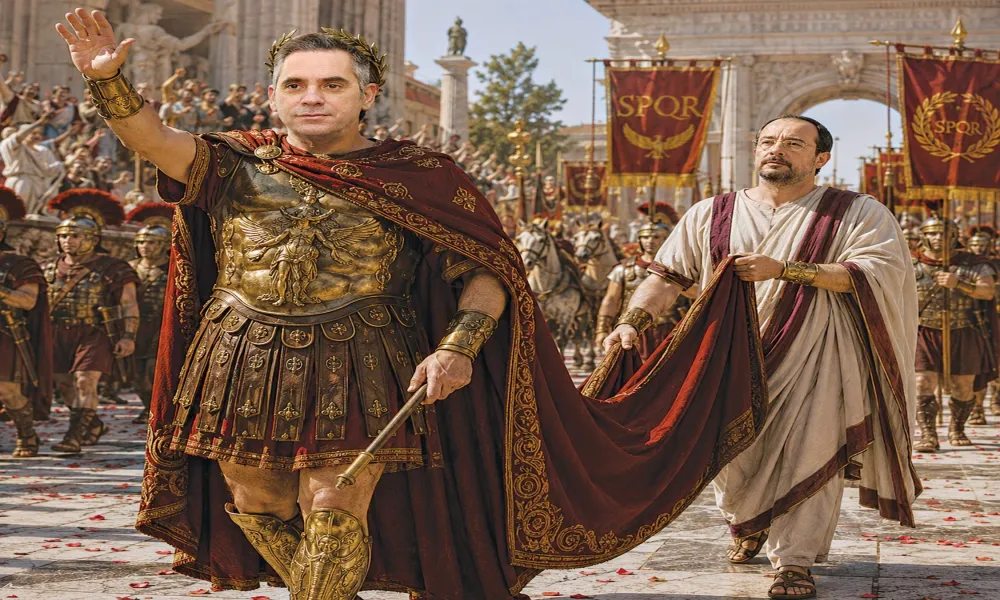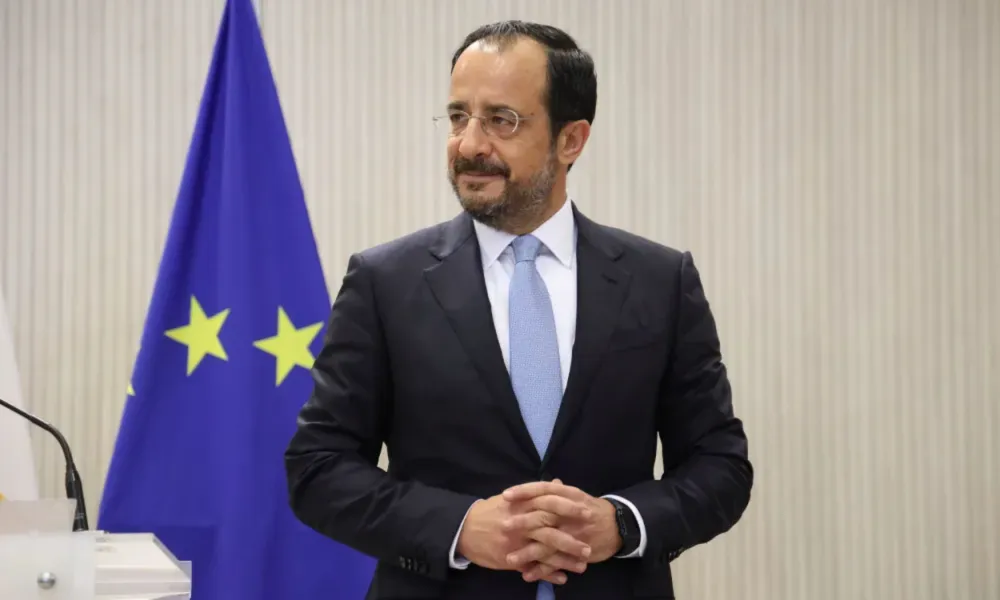

Appointments to the boards of semi-governmental organisations have traditionally been used by presidents to reward allies and political supporters. The issue, this editorial argues, is not that President Nikos Christodoulides followed that practice, but that he continues to portray the appointments as a triumph of meritocracy despite evidence to the contrary.
In that sense, it cannot be said that President Nikos Christodoulides has done anything unprecedented this time around. After all, he followed exactly the same approach in the first round of appointments to semi-governmental organisations when he initially took office.
The problem with Nikos Christodoulides is that he appears to believe he can, and is entitled to, underestimate the intelligence of citizens by presenting his appointments as the very embodiment of meritocracy.
He is attempting to convince us that the two or three DIKO members, together with an equal number of his own loyalists whom he has "planted" on the board of each semi-governmental organisation, were appointed because of their knowledge and abilities, rather than to serve his political plans and strengthen his alliances ahead of the 2028 presidential election.
An even greater problem is that, once again, he has become a victim of his own grand declarations and lofty but empty promises that he would bring a new ethos to politics and adopt mechanisms that would guarantee meritocracy and equal opportunities for all citizens.
One such mechanism, we were told, was the now infamous Advisory Council.
It was presented as an allegedly independent body composed of distinguished individuals that would examine applications from those interested in serving on the boards of semi-governmental organisations, evaluate them and recommend appointments to the president.
How it is possible, however, that the individuals proposed by the Advisory Council in this round include, by a remarkable coincidence, so many DIKO supporters and Christodoulides loyalists, while not a trace can be found of people from political camps that do not support the president's policies, remains unexplained.
Neither the president nor the Advisory Council itself, nor its chairman, have provided answers.
Instead of responding convincingly and offering explanations to the criticism, the chairman has even claimed to be offended by it.
In conclusion, the president's choices in the latest appointments, together with his admission that more than 20 per cent of those appointed did not even go through the Advisory Council, once again demonstrate how politically unreliable and lacking in credibility he is, and how far removed he has become from the promises he made before the election.
As for the much-discussed Advisory Council, if its members possessed even a trace of dignity they should already have resigned.
And if they refuse to do so, then it is up to Parliament to put an immediate end to what has become a bad joke.