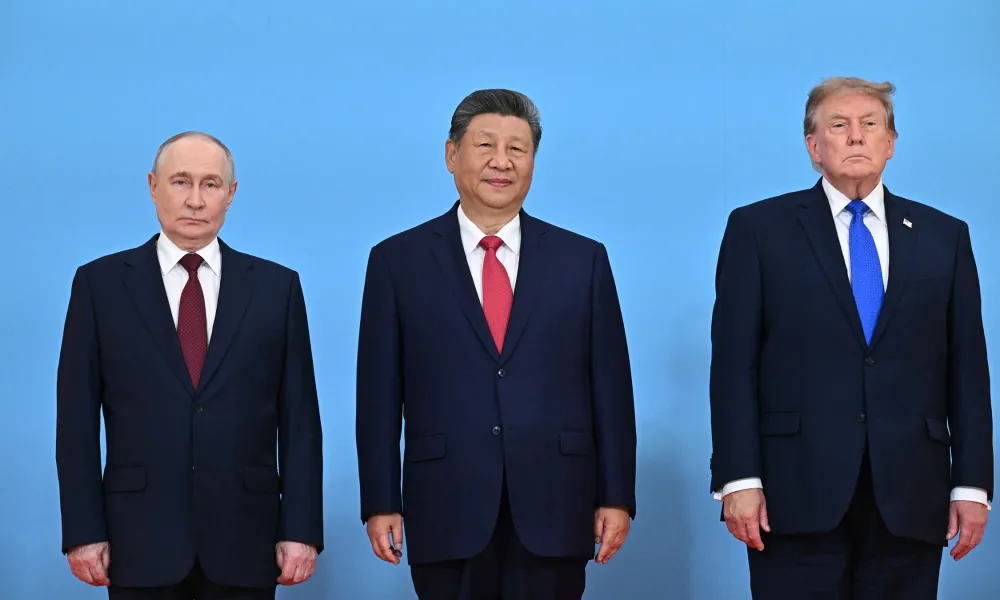

The first trilateral meeting between Donald Trump, Xi Jinping and Vladimir Putin concluded in Shenzhen, China, after approximately 80 minutes, with no specific agreements announced immediately after the talks.
Held on the sidelines of the APEC summit, the meeting focused on nuclear arms control, the war in Ukraine, developments involving Iran and relations among the three powers.
Trump pushes nuclear talks
Trump described the gathering as a historic moment and stressed the responsibility of the United States, China and Russia to maintain global peace and security.
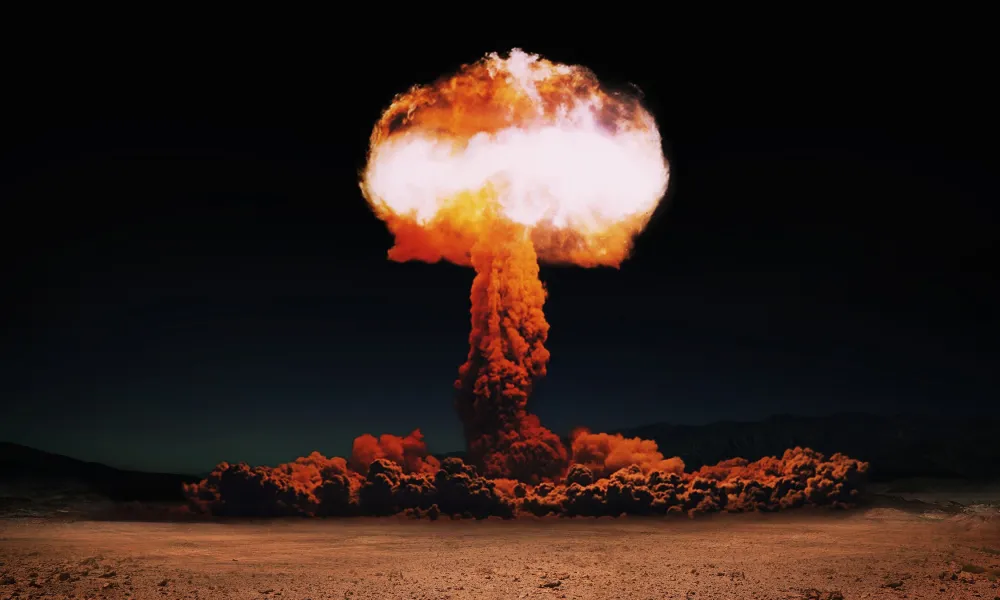
According to international media reports, he renewed calls for a new nuclear arms agreement that would include China following the expiry of the New START treaty in February 2026.
Xi emphasises stability
Xi highlighted the importance of cooperation among major powers, arguing that stable relations between leading nations contribute to international peace, while confrontation increases global uncertainty.
Chinese officials had presented the meeting as an opportunity to strengthen strategic stability and manage differences between the three countries.
Ukraine also discussed
Putin pointed to the shared responsibility of major powers in addressing international conflicts and referred to the war in Ukraine as one of the issues under discussion.
The Russian leader had also held a separate meeting with Trump earlier in the day, during which the two reportedly discussed Ukraine and broader bilateral relations.
Limited expectations
Despite the significance of the summit, analysts remain cautious about the prospects for major breakthroughs, citing deep differences over Ukraine, Iran, nuclear weapons and trade.
The absence of Ukraine from discussions about the war has also drawn attention, while some observers have compared the meeting to other historic gatherings of major powers, though no evidence has emerged of any agreement on spheres of influence or a broader geopolitical realignment.
Attention is now turning to official statements from Washington, Beijing and Moscow for indications of whether the talks produced concrete commitments or opened the door to further negotiations.