
Nicosia Municipality is extending its 30km/h speed limit zones to improve road safety, particularly in residential areas, near schools and in the capital’s historic cores. Speaking on Ant1’s Mera Mesimeri programme, Nicosia Mayor Charalambos Prountzos said the aim is to create safer neighbourhoods where pedestrians and cyclists can move around more easily, while also protecting the city’s cultural heritage.
He said the goal is to bring back a sense of neighbourhood, from a time when children could walk or cycle to schoolwithout facing heavy traffic.
The seven areas covered
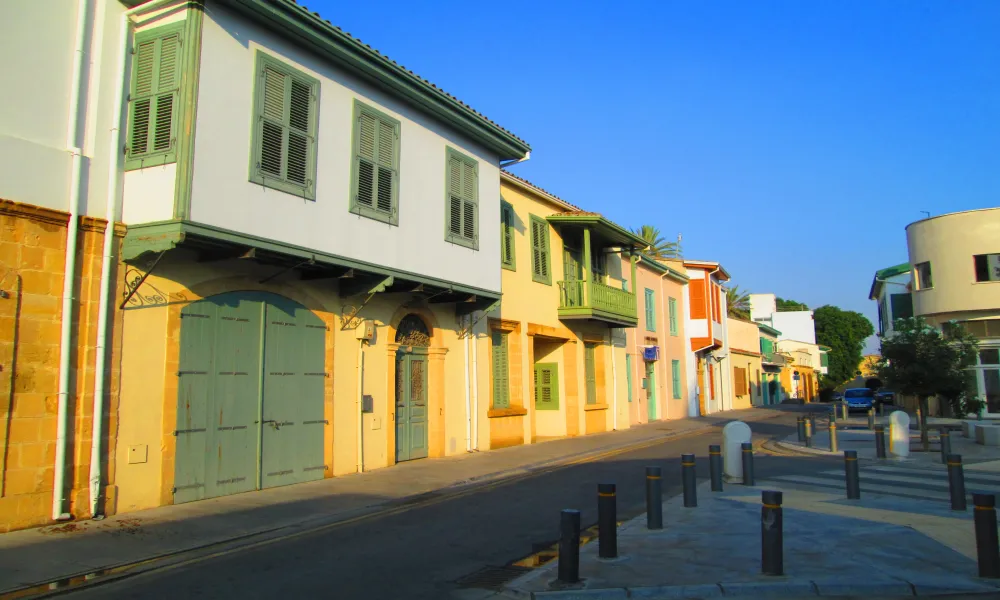
According to the mayor, the measure already applies within the walls of the old city. It is now being extended to the historic cores of seven areas:
- Kaimakli
- Pallouriotissa
- Agioi Omologites
- Agios Dometios
- Engomi
- Lykavitos
- Agios Andreas
Prountzos described the extension as one of the significant benefits of the merger of municipalities, as it makes a single road safety policy possible.
Schools as the first priority
Particular emphasis is being placed on areas around schools, where many children are present every day.
The first organised intervention is in Engomi, around:
- Engomi First Primary School
- Makedonitissa First Primary School
- Makedonitissa Second Primary School
- Makedonitissa Gymnasium
The mayor explained that these areas were chosen because of the large number of families and young children living there. The measure will be extended gradually to other parts of Nicosia Municipality, particularly near schools, parks and other places where people gather.
Plan to more than double cycle lanes
Asked whether the right infrastructure exists for children and other residents to cycle safely, Prountzos stressed the importance of low-speed zones.
He explained that on roads limited to 30km/h, cyclists and micromobility users can share the road with motor vehicles more safely.
He also said the municipality has submitted a specific proposal to the Ministry of Transport to more than double Nicosia’s cycle lane network. Expanding cycle routes is considered particularly important for linking neighbourhoods with main roads and making everyday journeys easier.
Road design measures to reduce speed
The mayor made clear that the effort goes beyond putting up signs with the new limit. Changes to road infrastructure are also being made, so that the design of the streets themselves encourages drivers to slow down.
The measures include:
- Raised pedestrian crossings
- One-way systems on selected streets
- Roadside parking spaces
- Narrower traffic lanes
- Public car parks on vacant plots
As an example, he pointed to the new one-way system on Agiou Ilarionos Street, outside Makedonitissa Gymnasium. There, one traffic lane has been turned into parking spaces, so parents can collect their children more safely. Additional parking has also been created on vacant plots, and the narrower road helps to reduce the speed of passing vehicles.
Regeneration works in the historic centre
Prountzos also referred to regeneration projects under way in Nicosia’s historic centre, which he said have a total value of more than €50 million. Some of the projects are at an advanced stage, while others are still being carried out.
Residents’ role
The mayor stressed that cooperation from residents will be crucial to the success of the new measures. He said the lower speed limits do not concern any one group but society as a whole.
“The measure is not about other people. It is about our children, our parents and ourselves,” he said.