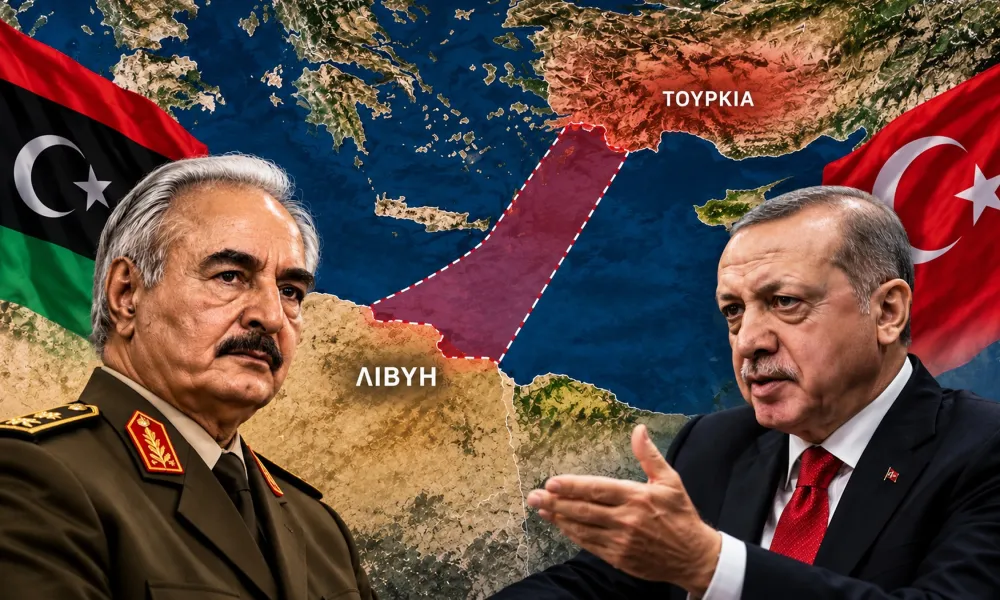

The United States and Israel have reportedly drawn up contingency plans for a new round of military strikes against Iran, with any operation most likely to take place after the 3 November US midterm elections.
According to The New York Times, citing US officials and people familiar with the discussions, the two countries have developed operational plans for a campaign involving extensive strikes over a period of roughly three days.
The report says military preparations have intensified in recent weeks, with US and Israeli forces conducting exercises and flights over Iraq to test tactics and manoeuvres that could be used in a future operation.
Potential targets
According to the report, potential targets include:
- Nuclear facilities.
- Missile production and storage sites.
- Drone infrastructure.
- Other strategic military installations.
Energy infrastructure has also reportedly been considered, although some sources said oil refineries and other petroleum facilities could be excluded.
The newspaper said this approach reflects concerns within the administration of US President Donald Trump about triggering another spike in global fuel prices.
One facility reportedly under consideration is the underground nuclear site known as Pickaxe Mountain.
The reported strategy is based on an assessment that a new wave of major strikes could worsen Iran's economic difficulties and increase pressure on Tehran to make diplomatic concessions after nearly eight months of confrontation.
Why after 3 November?
Timing is said to be a key factor in the discussions.
According to The New York Times, a military operation before the end of October is considered unlikely because Trump has indicated he does not want to authorise strikes before the midterm elections.
In addition to potential political consequences during the final stretch of the election campaign, military planners are reportedly still deploying assets required for any operation.
The report also notes that longer periods of darkness in Iran during early November could provide more favourable conditions for night-time missions.
However, no final decision has been taken, and the possibility remains that Trump may ultimately decide against further military action.
Report: Israeli jets flew near Iran
Meanwhile, Axios reported that dozens of Israeli military aircraft conducted a long-range mission on Monday, flying close to Iran's borders.
Citing US and Israeli officials, the report said fighter jets and aerial refuelling aircraft travelled more than 800 miles from Israel, passing through Syrian and Iraqi airspace along a route that could potentially be used in a future strike.
The aircraft did not enter Iranian airspace and reportedly turned back before reaching the border.
According to Axios, Israeli officials notified Washington in advance and described the mission as a training exercise intended to reinforce deterrence ahead of Israel's 27 October elections.
Some US officials reportedly believed Israel may also have been seeking to provoke a reaction from Iran's air-defence systems, potentially creating a justification for retaliatory action.
Others downplayed the significance of the flight, describing it as routine military activity aimed at deterrence rather than escalation.
US embassy staff withdrawn from Saudi Arabia
The US State Department announced that non-essential personnel and family members are being withdrawn from the US embassy in Riyadh, leaving only essential diplomatic staff in place.
The move comes as Saudi Arabia continues to face frequent attacks by the Iran-backed Houthi movement in Yemen.
According to a diplomatic source, Washington has also authorised the departure of family members from US embassies in the United Arab Emirates, Jordan, Qatar and Bahrain.
US regional partners have repeatedly come under attack amid heightened tensions between Washington and Tehran.
State Department spokesperson Tommy Pigott said Iran-backed Houthis are becoming increasingly involved in hostilities against Saudi Arabia, resulting in civilian casualties and significant disruption to travel and transportation.
With reporting from The New York Times, Axios and ANA-MPA.